Translate to your native language

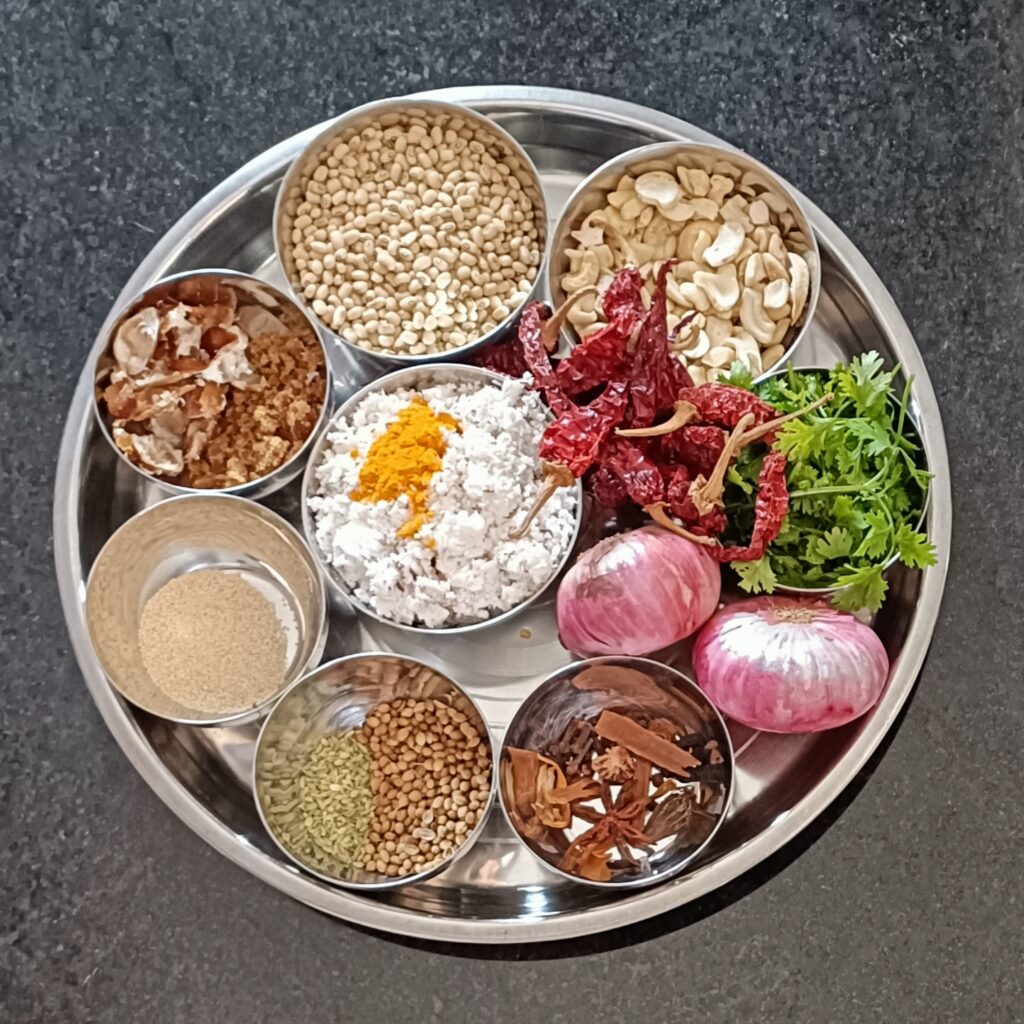
Mugache Ladoo (Sweet Whole Green Gram Balls)

Moong beans are one of the best sources of protein as they’re rich in many essential amino acids. (Essential amino acids are those that your body is unable to produce on its own.) Also, the carbohydrates in moong beans seem to be easier to digest than those found in other legumes and are therefore less likely to cause flatulence compared to other types of legumes. Sprouted moong beans contain fewer calories and more free amino acids and may contain as much as six times more antioxidants than regular mung beans than unsprouted ones. Sprouting also reduces the level of phytic acid, which is an antinutrient that can reduce the absorption of minerals like zinc, magnesium and calcium. Mung beans contain many healthy antioxidants, which help neutralize potentially harmful molecules known as free radicals. High amounts of free radicals are linked to chronic inflammation, heart disease, cancers and other diseases. Test-tube studies have found that antioxidants from mung beans can neutralize free radical damage linked to cancer growth in lung and stomach cells. Moong beans are believed to have anti-inflammatory properties that help protect against heat stroke and high body temperatures. Research also shows that mung beans may have properties that can lower LDL or bad cholesterol. Moreover, moong beans may help lower blood pressure as they’re a good source of potassium, magnesium and fibre. Moong beans are high in fibre so are great for digestive health and the soluble fibre (called pectin) in found in moong beans can help keep your bowels regular by speeding up the movement of food through the intestine. Moong beans, like other legumes, also contain resistant starch, which works like soluble fibre that helps nourish your healthy gut bacteria. The bacteria then digest it and turn it into short-chain fatty acids — butyrate, in particular, which has been shown to nourish colon cells, boost the gut’s immune defences and even lower the risk of colon cancer.
Read More »

Ripe Mango Udad-Methi

Mangoes are a great source of various nutrients, including vitamins A and C, folate, fiber, and copper. They are also relatively low in calories and fat. The body converts the beta-carotene in mangoes into vitamin A, which may help improve vision, skin health, and immune function. Vitamin C is a great antioxidant that may help reduce the rate of aging. The folate (a B vitamin) in mangoes assists cell growth and development, particularly during pregnancy. Mangoes also contain copper, a mineral that plays a role in energy production, nerve function, and immune health. The most ignored component in our nutrition is fibre which is very important for digestion and bowel movement. It also helps regulate blood sugar so is great for diabetics and mangoes are a good source of this dietary fiber. Coconut is high in fat and calories while moderate in carbs and protein. Most of the fats are medium-chain triglycerides (MCTs), which are absorbed intact in the small intestine and used by the body to produce energy. It’s the high content of manganese in coconut that not only supports enzyme function but also fat metabolism. The copper in coconut helps bone formation and heart health. Apart from manganese and copper, coconut is also rich in other minerals like selenium, phosphorus, potassium, and iron. Coconut contains a very high amount of insoluble fibre that doesn’t get digested but works to move food through the digestive system and helps bowel health.

Read More »

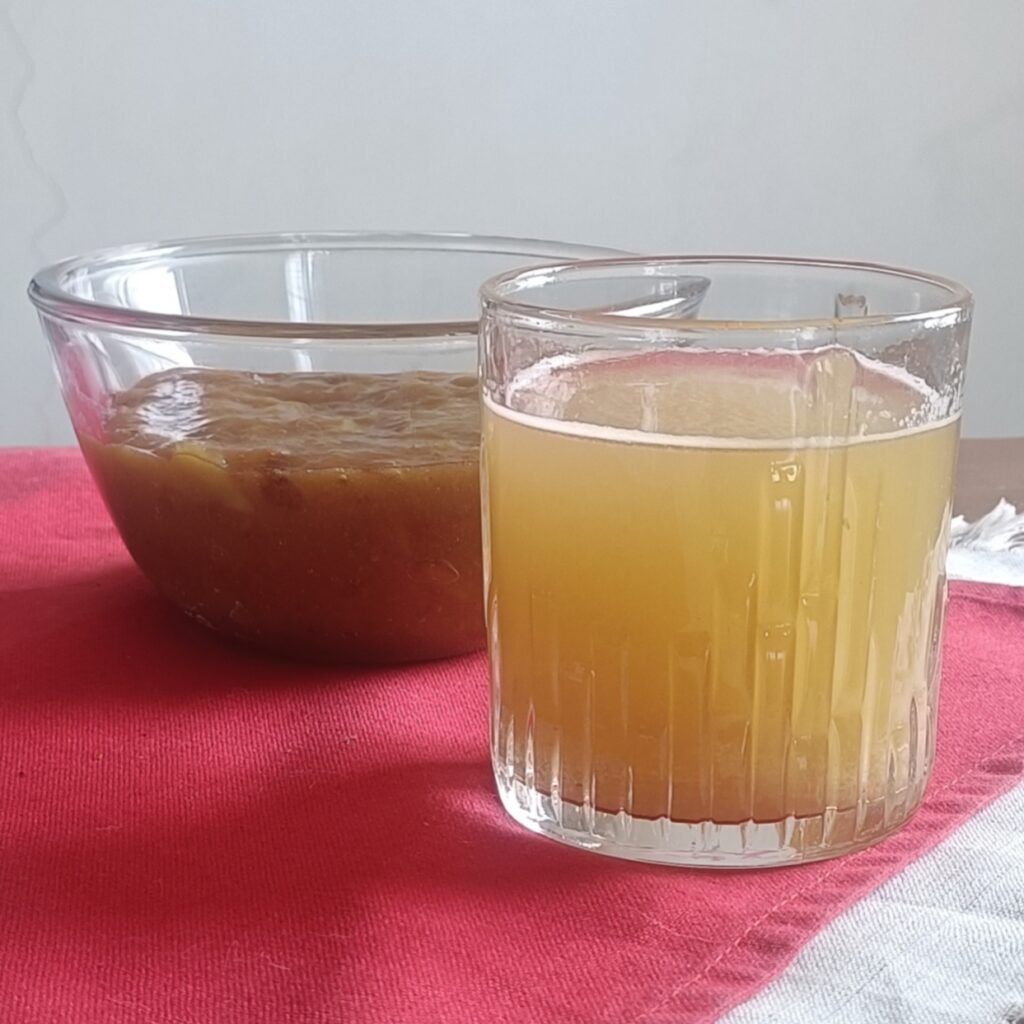
Panah (Mango Jaggery Drink)

Mango is native to India and Southeast Asia, and people have cultivated it for over 4,000 years. Hundreds of types of mango exist, each with its own characteristic taste, shape, size, and color. This traditional drink contains vitamins C and A, fiber, and antioxidants because cooked mangoes generally retain their core nutritional value. Antioxidants are important because they protect our cells against free radicals. Free radicals cause damage and may hasten aging and be the cause of chronic lifestyle diseases. The vitamin C in mangoes can help our body produce more disease-fighting white blood cells, help these cells work more effectively, and improve our skin’s defenses.

Read More »

Peanut and Dried Coconut Chutney

Peanuts are said to have originated in South America but are now a staple in many parts of India, especially Maharashtra. They are not nuts but are actually legumes like green peas, soybeans, and lentils, but have almost the same health benefits as the more expensive nuts like walnuts. Peanuts are acidic in nature when roasted and are better eaten soaked overnight. However, their shelf life is short in the soaked form. They contain a good amount of magnesium, folate, vitamin E and copper, which help prevent heart disease by lowering cholesterol levels. On the other hand, many plant-based doctors recommend heart patients avoid consuming ANY ingredient that has fat in it and peanuts have a good amount of it. 22 to 30% of the total calories are proteins and 100 gms of peanuts contain almost 50 grams of fat making them a delicious and satiating snack or part of a meal. This is why peanuts have found a fond place in the diet of rural India. Peanuts have a low-glycemic index so release energy into the blood stream at a slow pace. This means that they don’t cause a spike in blood sugar levels and have shown to lower the risk of type 2 diabetes in women. Peanuts also contain a good amount of fibre, an ingredient that helps reduce inflammation and helps keep bowel movement smooth. The thin papery skin contains many antioxidants and phytochemicals and is beneficial to fight free radicals so eat your peanuts whole!

Read More »

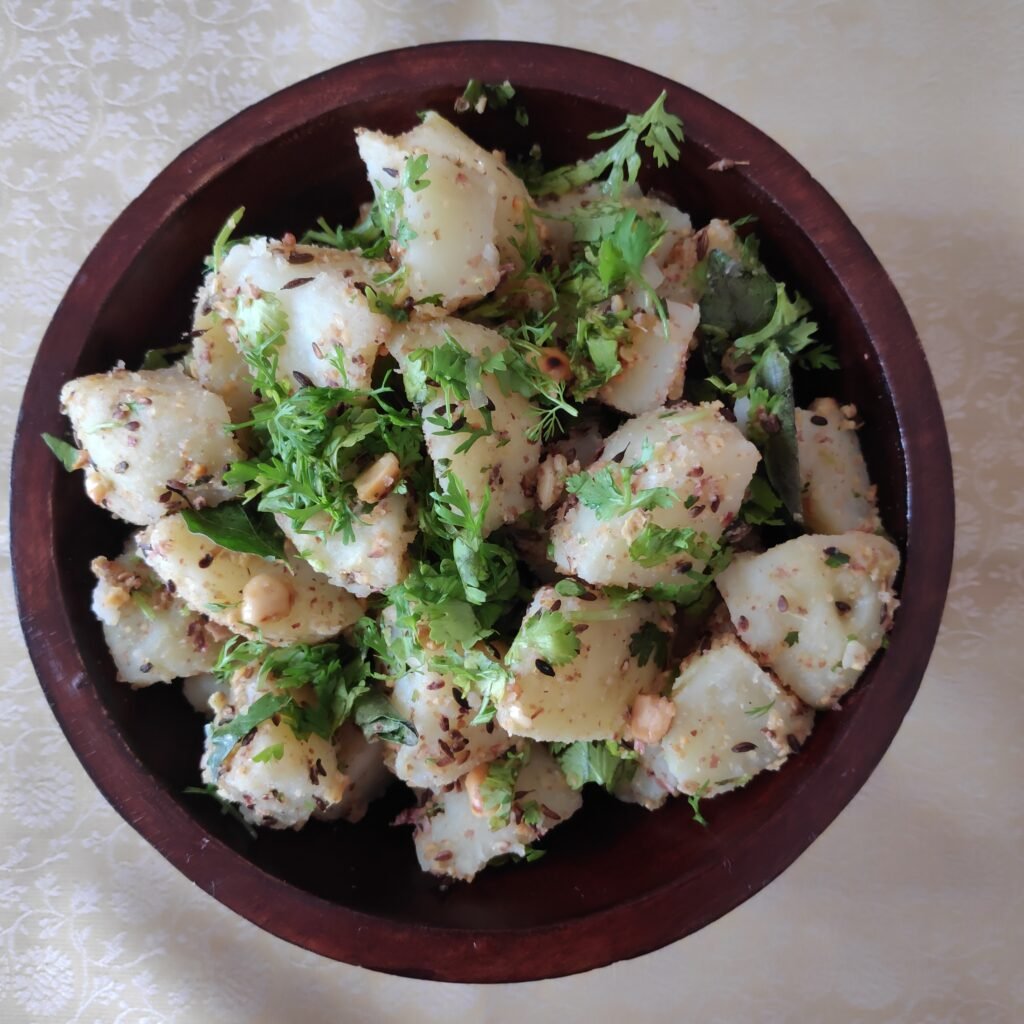
Aloo Sabji with Saunf (Potato Sabji with Fennel Seeds)

Potatoes are rich in carbohydrates and fibre and so very satiating. They have a wonderful variety of nutrients including proteins and have been used as an important ingredient in areas where people lack food and nutrition. Most of the nutrition is contained in the skin so keep it on to ensure you get the most benefit out of them. Moreover, the skin is also alkaline in nature helping keep the pH level in your body in a better condition. Apart from the fibre, especially in the skin, potatoes contain vitamins C and B6, niacin and folate, and minerals like potassium, manganese, magnesium and phosphorous, all of which help in maintaining sugar levels. They also contain compounds like flavonoids, carotenoids and phenolic acids, which are antioxidants that help to fight free radicals that can lead to lifestyle diseases. With all these benefits all we need to be careful about is not to add oil to our potato dishes as that ruins all the goodness that potatoes can give us.

Read More »

Aloo Moongfali Sabji (Potato Peanut Sabji)

Potatoes are a versatile root vegetable and a staple food in many households and are packed with a variety of nutrients. Most of the nutrients are just below the skin so they’re better if cooked and consumed with the skin. Keeping the skin on not only ensures you receive the maximum amount of nutrients from the potato but the skins are also alkaline in nature and so aid in the healing process of the body.

Potatoes are rich in compounds like flavonoids, carotenoids and phenolic acids, which are antioxidants and help to neutralize potentially harmful molecules known as free radicals. When free radicals accumulate, they can increase the risk of chronic diseases like heart disease, diabetes and cancer. Colored potatoes like purple potatoes (not very common in India) can have three to four times more antioxidants than white potatoes. However, potatoes when fried or cooked with a lot of oil are pretty unhealthy, so it’s best to avoid French fries or fried potato dishes.

Read More »

Dadpe Pohe

Poha is made by soaking the rice and then flattening and drying it. It can be considered to be an uncooked form of rice yet doesn’t really need to be cooked to be consumed. It has a reasonable amount of carbohydrates, some potassium, sodium and protein, and is easily digested.

Coconut is a great source of natural fats and lots of fibre. Fibre helps in digestion as well as regulating the absorption of nutrients.

Peanuts are a great source of plant protein and enhance the nutritional value of poha. Peanuts are packed with healthy fat, high-quality protein, and potassium, phosphorous, magnesium, and B vitamins. Peanut skins also contain antioxidants. Peanuts are best eaten raw after soaking and not roasted.

Read More »

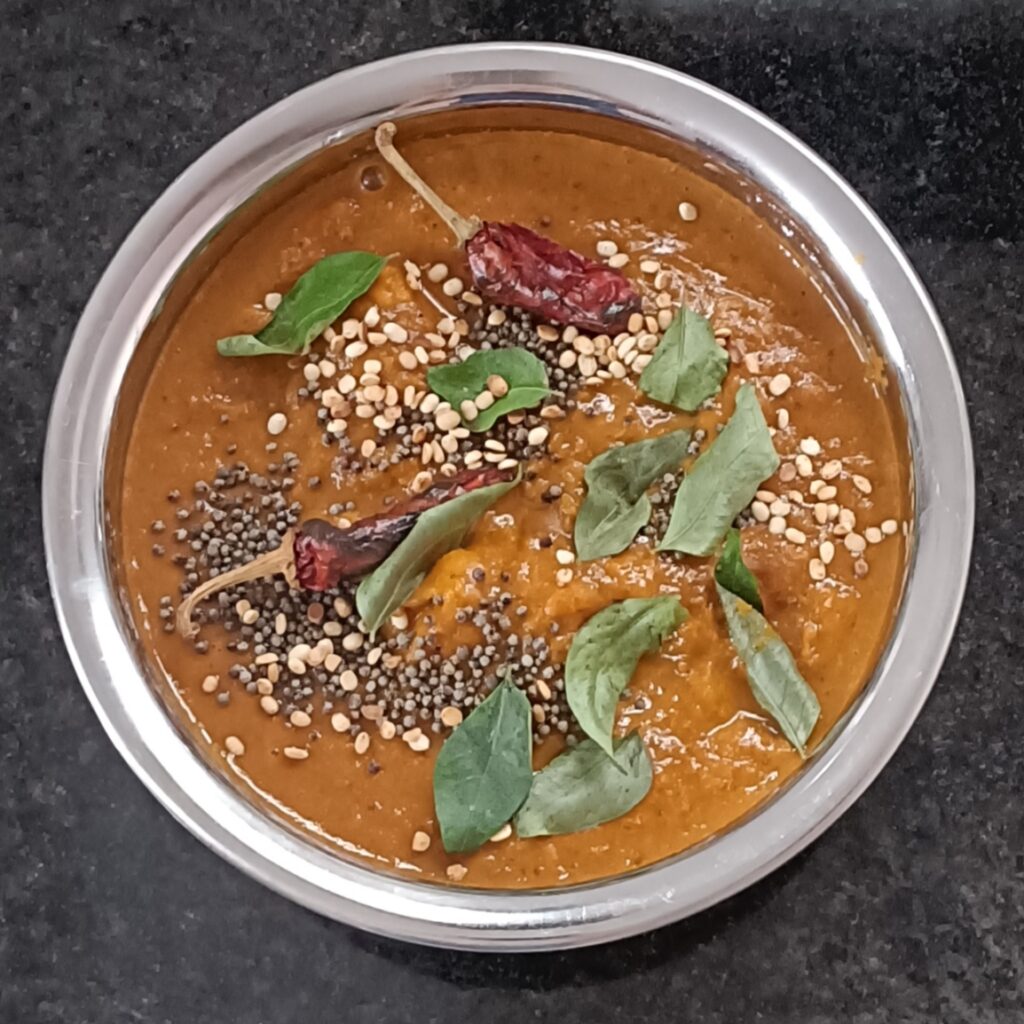
Curry Leaf Chutney (Karuveppilai Podi)

Curry leaves contain compounds that function as antioxidants that play an essential role in keeping your body healthy and free from disease. Antioxidants remove potentially harmful free radicals and suppress oxidative stress, a condition that’s associated with chronic disease development. They may help improve the fighting power of the body against cancer cells, as well as reduce the risk of getting heart disease and help improve the condition of the brain and its neurological system. Most importantly, it is said to be great for the growth of hair and to prevent graying. 🙂

Read More »

Daali Kanda (Moong dal with onion)

Moong bean is a legume native to India and is a low-carb, high-protein bean. In fact, moong is one of the best plant-based sources of protein. They’re rich in essential amino acids or those that your body is unable to produce on its own. It is rich in fiber, especially if it is used with the green skin on it. It is also rich in potassium and manganese, some B vitamins, and along with the fiber enhances the body’s capacity to fight and rectify lifestyle diseases like heart problems, diabetes, and hypertension. Like other legumes, it also contains resistant starch which is great for the gut microbiome. It’s much easier to digest than other pulses and legumes. Sprouted moong beans are better nutritionally and contain more free amino acids and antioxidants. In fact, sprouted moong may contain as much as six times more antioxidants than regular mung beans. So, all in all, it’s a great addition to your meals.

Read More »
Shopping Basket