Translate to your native language

Nachni Kapa (Finger Millet Pudding)

Millets are hardy small-seeded annual grasses that are cultivated as grain crops and grow in adverse weather conditions. They also require much less water and care as compared to grains like wheat or rice.

Ragi, like most other millets, is usually soaked overnight or for at least 12 hours to ‘activate’ the fibre in it. It is then dried in the sun for a few hours before being roasted and powdered to be ready for use. Traditionally, we Indians harvested rain fed nachni, sprouted it to get the nutrients to an optimal level, dried it and then ground it to a fine powder. This powder was sieved to get the nachni ‘satva’, cooked in water, sweetened, and used to wean babies off mother’s milk.

Ragi/Nachni is rich in niacin (vitamin B3), and especially minerals like calcium and iron because of which it has traditionally been used to feed infants and babies and to keep anaemia at bay in children. Sprouted ragi is also rich in vitamin C that helps absorb iron better.

Ragi/Nachni (finger millet) is rich in complex carbohydrates which may help in preventing blood glucose levels from spiking after a meal as they take longer to digest thus releasing energy slowly and keeping one satiated for a longer time. The dietary fibre may help to control the ‘bad’ cholesterol and raise ‘good’ cholesterol levels and lower triglycerides. The soluble fibre in ragi absorbs cholesterol before it enters the bloodstream whereas the insoluble fibre acts like a prebiotic supporting the good bacteria in the gut.
Read More »

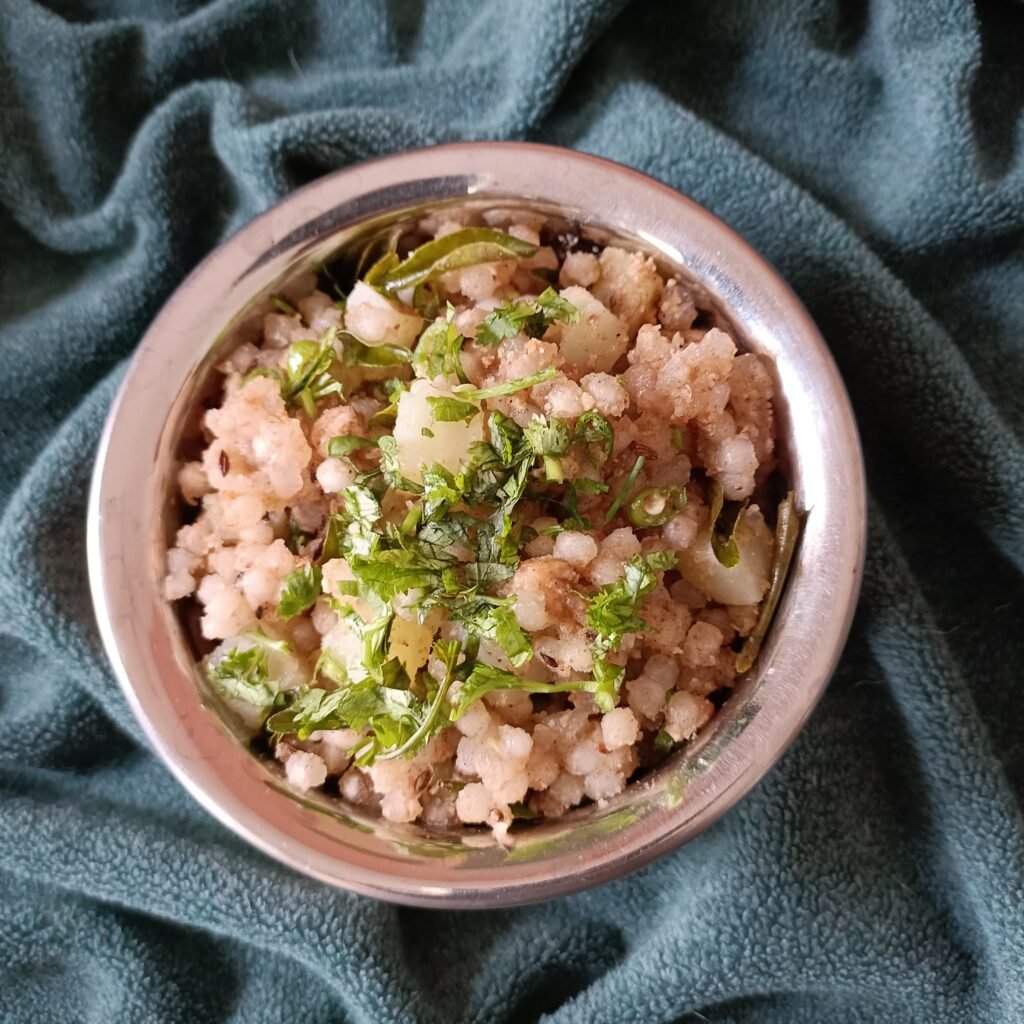
Sabudana Khichdi

Sabudana is high in both calories and carbohydrates and is therefore an excellent source of quick energy. It’s great before a workout because it’s a wonderful source of energy and after a heavy workout as it delays fatigue. It is said to improve endurance too. Just make sure it isn’t made in a lot of oil. Because it is gluten free, it is good for people with Celiac disease as it doesn’t cause any discomfort like bloating, diarrhoea or stomach pain. In fact, the dietary fibre it contains helps digestion. It can help weight gain in a healthy manner if eaten in larger quantities. The high content of potassium in it may help improve heart health by flushing out sodium thus lowering blood pressure. As a great source of calcium, it is fed to babies over a year old to develop stronger bones and may also help prevent osteoporosis.

Peanuts are packed with healthy fat, high-quality protein, and potassium, phosphorous, magnesium, and B vitamins. Peanut skins also contain antioxidants. Peanuts are best eaten raw and not roasted.

Potatoes are rich in compounds like flavonoids, carotenoids and phenolic acids, which are antioxidants and help to neutralize potentially harmful molecules known as free radicals. Potato skins are alkaline in nature so it’s best to leave them on.

Read More »

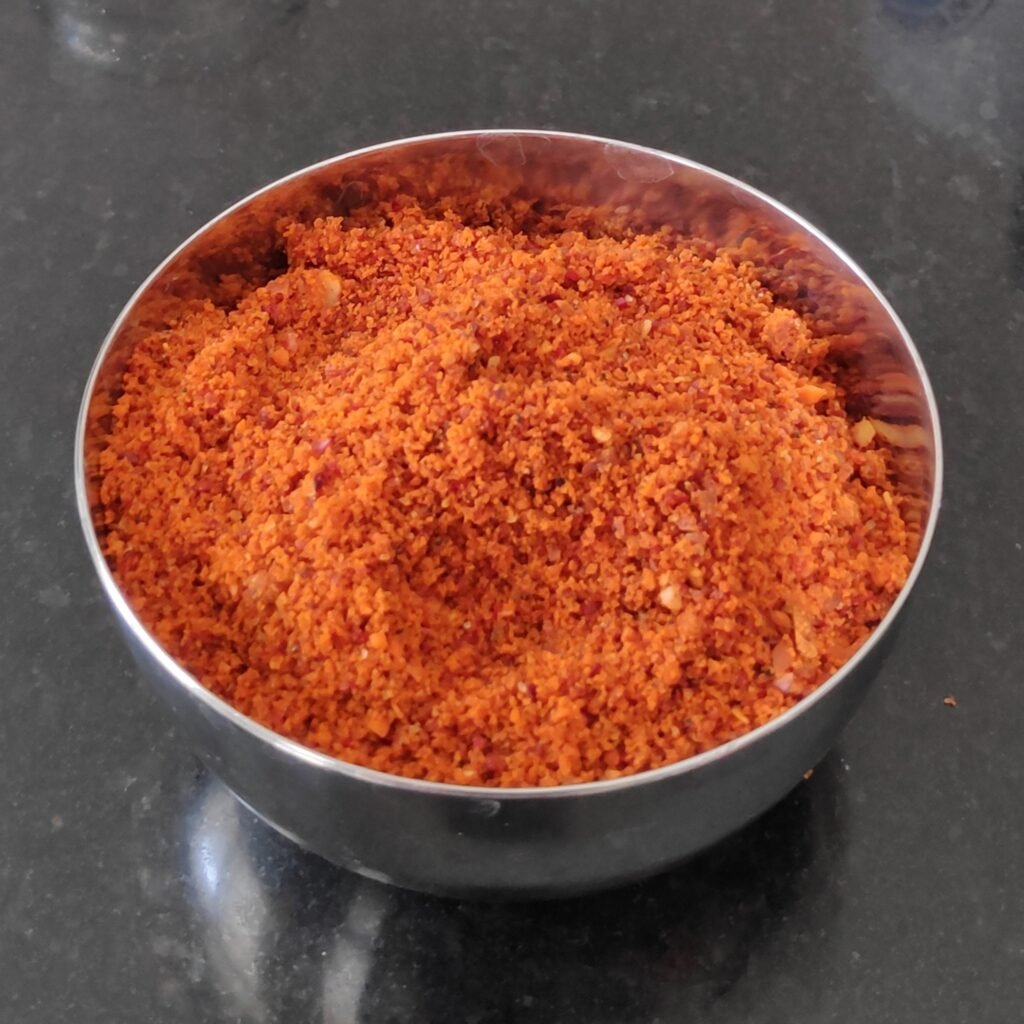
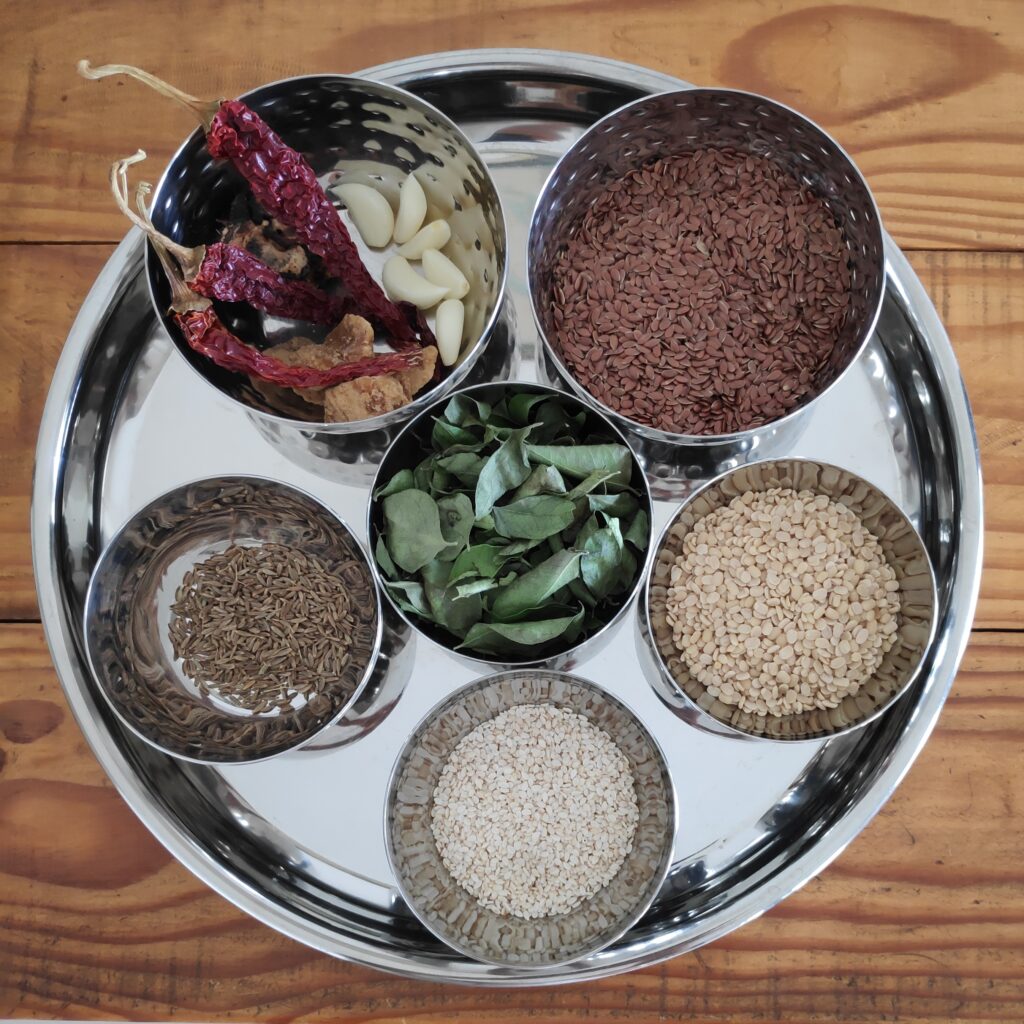
Alsi ki Chutney with Sesame Seeds (Flaxseed Chutney)

Flax seeds are tiny powerhouses of nutrition well known for their high content of omega-3 fatty acid alpha-linolenic acid (ALA), an essential fatty acid which means that your body cannot produce it and so you need to obtain it from the food you eat. It is important to grind the seeds before eating them as the oil is locked up inside the fibrous structure of the seed and it cannot be released when eaten whole.

Flax seeds also have high amounts of protein as well as soluble and insoluble fiber. Soluble fiber helps regulate blood sugar and cholesterol levels. It also promotes digestive health by feeding your beneficial gut bacteria. When mixed with water this soluble fiber becomes very thick and combined with the insoluble fiber content, flax seeds become a natural laxative, promoting good bowel movement, preventing constipation, and reducing your risk of diabetes. It’s recommended to drink plenty of water when eating these seeds because of their high fiber content. For people who are not used to eating a lot of fiber, incorporating flax seeds too quickly can cause mild digestive problems. These include bloating, gas, abdominal pain, and nausea. Chutneys are a great way to avoiding these problems as they are eaten along with a lot of other vegetables and pulses in our traditional Indian meals.

Read More »

Kairi Chutney (Raw/Green Mango Chutney)

Kairi (raw/green) mango comes in different levels of sourness and is available for almost 6 to 8 months of the year. It is a very versatile ingredient and is used in pickles, preserves, chaats, chutneys, main dishes, and beverages. It is high in vitamin C, calcium, and magnesium which are great to detoxify the body. Raw mangoes are also high in niacin, which helps boost cardiovascular health.

Read More »

Green Peanut Chutney

Though peanuts are a legume and not a nut, they have many of the same health benefits as the more expensive nuts. They are packed with healthy fats, high-quality protein, and are fairly high in calories and fiber making them a great go-to snack that can keep you satiated for a long time. They also contain plenty of potassium, phosphorous, magnesium, and B vitamins. Peanut skins also contain antioxidants. Peanuts are best eaten raw and not roasted. You can add them to your dishes or eat them as is after soaking them overnight or for a minimum of 6 hours. The light skinned peanuts are usually sweeter and better in taste.

Read More »

Red Peanut Chutney

Though peanuts are a legume and not a nut, they have many of the same health benefits as the more expensive nuts. They are packed with healthy fats, high-quality protein, and are fairly high in calories and fiber making them a great go-to snack that can keep you satiated for a long time. They also contain plenty of potassium, phosphorous, magnesium, and B vitamins. Peanut skins also contain antioxidants. Peanuts are best eaten raw and not roasted. You can add them to your dishes or eat them as is after soaking them overnight or for a minimum of 6 hours. The light skinned peanuts are usually sweeter and better in taste.

Read More »

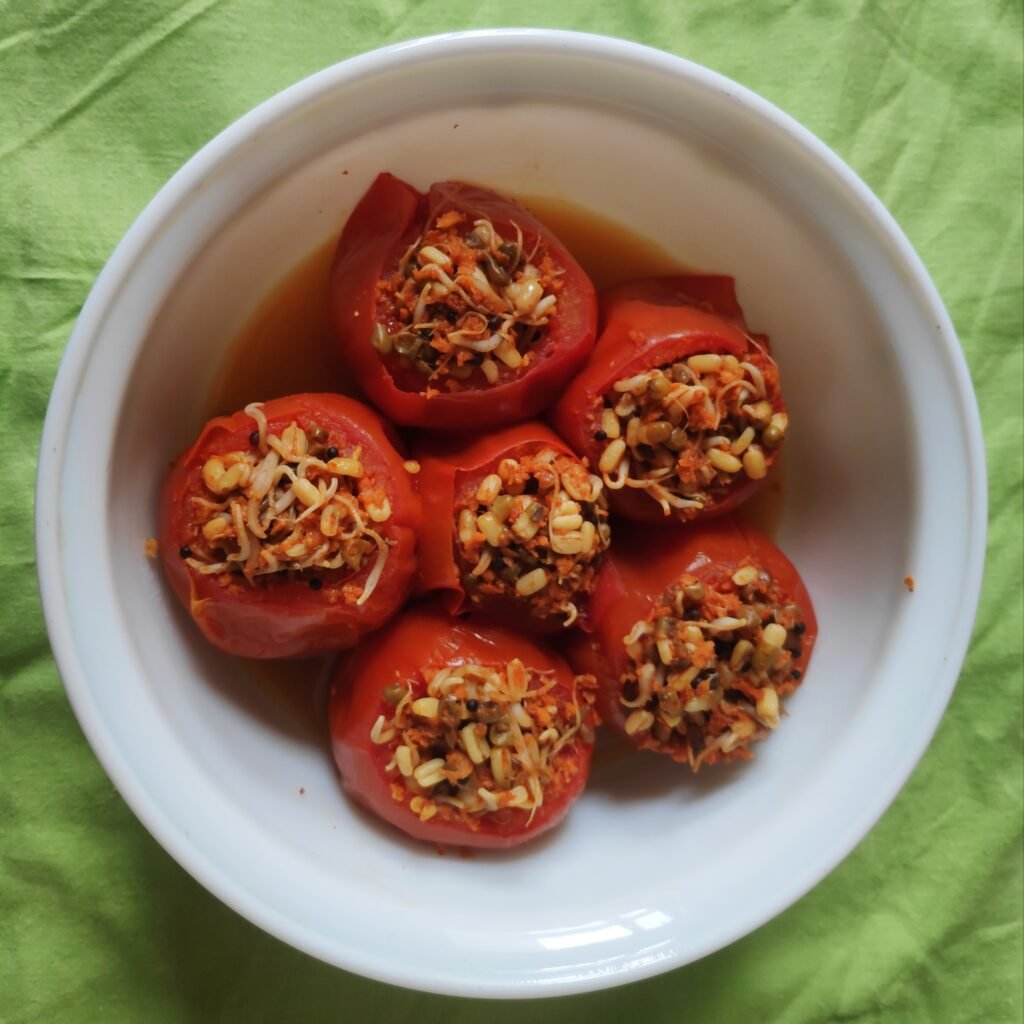
Tomato Vada (Stuffed Tomatoes)

Tomatoes are a very versatile fruit and rich in vit C, vit K and folate. They are also rich in potassium that is beneficial for blood pressure control.
Sprouts are an excellent source of protein, fiber and vit C. The proteins and peptides in bean sprouts may also help reduce the risk of cancer by slowing the the growth of cancer cells. All in all, this dish is nutrient dense and delicious at the same time.

Read More »

Allum Chutney with Tomatoes (Ginger Tomato Chutney)

Tomatoes are a versatile ingredient and are rich in fiber and other nutrients like vit C and lycopene. Tomatoes grown with heritage seeds are tastier and more nutritious. In fact, the tastier the tomatoes, the more the nutrition. Tomatoes have an anti-inflammatory effect that protects muscles and may help athletes recover after exercise.

Read More »

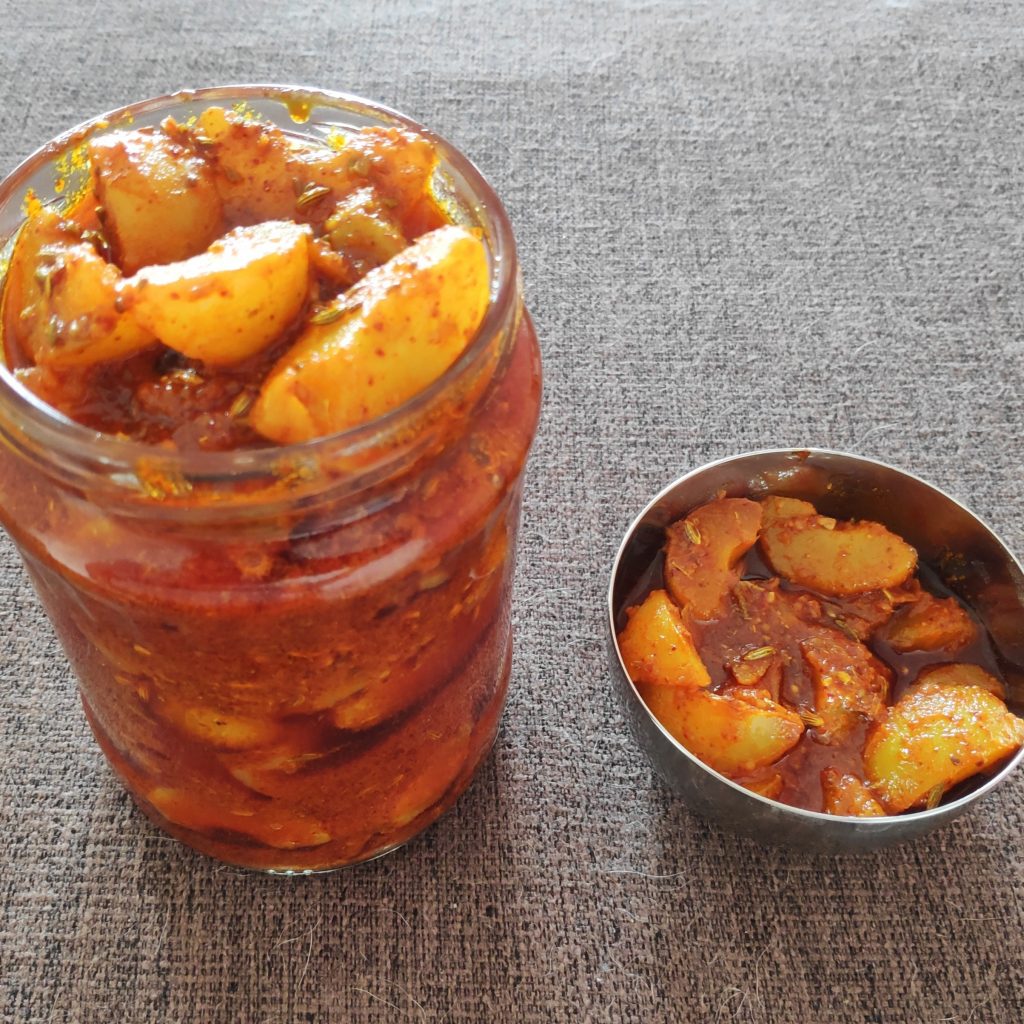
Amla Aachaar with Saunf (Indian Gooseberry Pickle with Fennel Seeds)

Amla, also known as Indian gooseberry, is a deliciously sour fruit that can be had in many ways. It can be eaten grated, cut into pieces, made into jams, added to smoothies, or dried and powdered. One of the most popular ways of getting the rich nutrients in it is through pickling it in oil, especially mustard oil. Amla is rich in vitamin C, which is a great antioxidant, and it retains this vitamin to a great extent even on cooking it. It is also rich in other vitamins and minerals that help maintain the shine in hair and makes your skin look radiant. It has numerous anti-ageing properties and is said to be a super food for cancer patients as it kills cancer cells but leaves normal cells alone. It helps in reducing cholesterol levels, inflammation and aids blood thinning as well as reduces artery stiffening. It also helps in reducing nausea, bloating, belching, and acidity, decreases the stress on the heart, and helps reverse diabetes. So, it is a great addition to your diet.

Ajwain, yellow mustard, methi seeds, and turmeric are all very beneficial for health as they are said to aid in relieving indigestion, help reduce cholesterol, fight bacteria and fungi, combat peptic ulcers and cough, and are anti-inflammatory.

Known for its strong flavor, pungent aroma, and high smoke point, it’s often used for sautéing and stir-frying vegetables in many parts of the world especially in West Bengal in India. Pure mustard oil has a high smoke point and comprises mostly of monounsaturated fats, which are more resistant to heat-induced degradation than polyunsaturated fats. Some studies have found that mustard oil possesses powerful antimicrobial properties and may help block the growth of certain types of harmful bacteria and fungus and is sometimes applied to the feet to help heal cracked skin on the heels. It may also slow cancer cell growth and is said to help heart health because of the high content of monounsaturated fatty acids in it, a type of unsaturated fat found in foods like nuts, seeds, and plant-based oils. But after all, it is still an oil and is not advised on a Whole-Food Plant-Based diet, so it is best to have it in very limited quantities and only occasionally.

Read More »

Amla Pickle in Mustard Oil (Indian Gooseberry Pickle)

Amla, also known as Indian gooseberry, is one of the most antioxidant-rich foods on Earth. The Vitamin C, Vitamin A and antioxidants present in amla purify the blood and make your skin look radiant. It also has numerous anti-ageing properties. It is a super food for cancer patients as it kills cancer cells but leaves normal cells alone. It can be eaten grated, cut into pieces, made into pickles and jams, added to smoothies, or dried and powdered. It helps in reducing cholesterol levels, inflammation and aids blood thinning as well as reduces artery stiffening. It also helps in reducing nausea, bloating, belching, and acidity, decreases the stress on the heart, and helps reverse diabetes. This fruit is so rich in vitamin C that even cooking it only reduces the amount by about one fourth. The high iron and carotene content in amla boosts hair growth and strengthens hair. So, all in all it is a great addition to your diet.

Known for its strong flavor, pungent aroma, and high smoke point, mustard oil is often used for sautéing and stir-frying vegetables in many parts of the world especially in West Bengal and other eastern states in India. Some studies have found that mustard oil possesses powerful antimicrobial properties and may help block the growth of certain types of harmful bacteria and fungus and is sometimes applied to the feet to help heal cracked skin on the heels. In some parts of the world, it is applied to the scalp as it is said to help hair growth and is said to alleviate pain and decrease inflammation in conditions like rheumatoid arthritis, but caution is advised as it can cause serious skin burns. It may also slow cancer cell growth. It is said to help heart health because of the high content of monounsaturated fatty acids in it, a type of unsaturated fat found in foods like nuts, seeds, and plant-based oils. Pure mustard oil has a high smoke point and comprises mostly of monounsaturated fats, which are more resistant to heat-induced degradation than polyunsaturated fats. But after all, it is still an oil and is not advised on a Whole-Food Plant-Based diet, so it is best to have it occasionally in very limited quantities.

Read More »
Shopping Basket