Translate to your native language

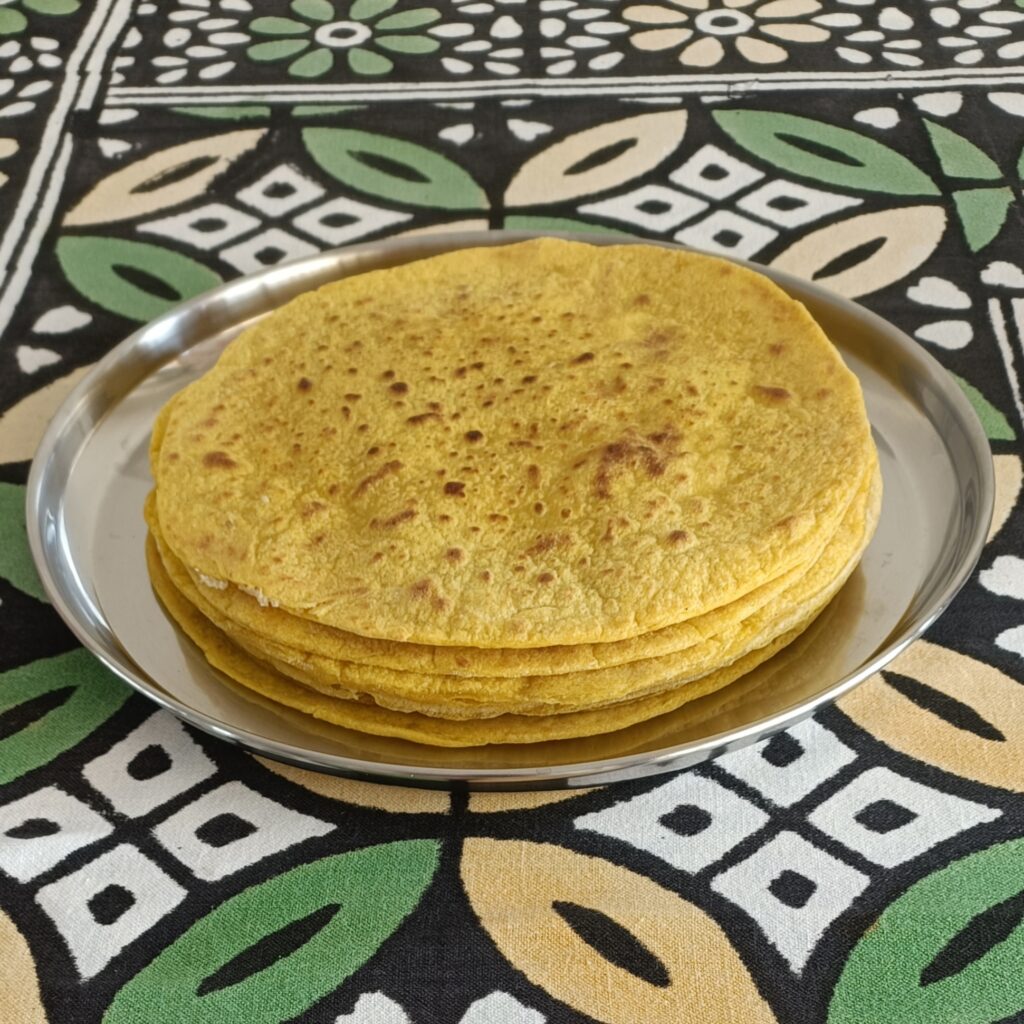
Sanjiryo or Sanjori (Sweet Semolina Stuffed Flat Bread)

Sanjori is the Marathi word for the Konkani Sanjiryo. It’s a delicious flat bread that’s stuffed with a sweet semolina stuffing. It’s similar to puran poli and naral poli, but isn’t made as often. Once you make it, you will be tempted to make it more often. Wheat is generally considered an acid-forming food because it produces more acid waste during its metabolism. Wheat provides carbohydrates (mainly starch), fiber, protein (including gluten), B vitamins, vitamin E, and minerals like iron, magnesium, phosphorus, and potassium. Whole grains are richer in nutrients than refined grains, containing significant amounts of dietary fiber and antioxidants. While beneficial for most, wheat can trigger gluten-related disorders in susceptible individuals. Excessive sugar consumption can lead to an acidic environment within the body. An acidic environment triggered by excess sugar can lead to the release of cortisol, a stress hormone, which can contribute to inflammation.

Read More »

Nachni Kapa (Finger Millet Pudding)

Millets are hardy small-seeded annual grasses that are cultivated as grain crops and grow in adverse weather conditions. They also require much less water and care as compared to grains like wheat or rice.

Ragi, like most other millets, is usually soaked overnight or for at least 12 hours to ‘activate’ the fibre in it. It is then dried in the sun for a few hours before being roasted and powdered to be ready for use. Traditionally, we Indians harvested rain fed nachni, sprouted it to get the nutrients to an optimal level, dried it and then ground it to a fine powder. This powder was sieved to get the nachni ‘satva’, cooked in water, sweetened, and used to wean babies off mother’s milk.

Ragi/Nachni is rich in niacin (vitamin B3), and especially minerals like calcium and iron because of which it has traditionally been used to feed infants and babies and to keep anaemia at bay in children. Sprouted ragi is also rich in vitamin C that helps absorb iron better.

Ragi/Nachni (finger millet) is rich in complex carbohydrates which may help in preventing blood glucose levels from spiking after a meal as they take longer to digest thus releasing energy slowly and keeping one satiated for a longer time. The dietary fibre may help to control the ‘bad’ cholesterol and raise ‘good’ cholesterol levels and lower triglycerides. The soluble fibre in ragi absorbs cholesterol before it enters the bloodstream whereas the insoluble fibre acts like a prebiotic supporting the good bacteria in the gut.

Read More »

God Polay (Sweet Rice Flour Pancake Rolls)

Many cultures consider rice to be a staple grain because it contains vital carbohydrates that provide the body energy even though it contains less protein than other cereals. Carbohydrates can keep you energized and satisfied and are important for fuelling exercise. Rice, particularly white rice, generally gets digested easily because it is low in fat and fibre, and so it’s better to eat brown or semi-brown rice. Brown rice, especially, is an excellent source of many nutrients, including fibre, manganese, selenium, magnesium, and B vitamins.

Read More »

Rice and Green Gram Dal Kheer

Rice is one of the oldest cereal grains in the world which has been grown for at least 5,000 years and almost all of the rice today is cultivated in Asia. It is also a staple food for more than half the population of the world. There are thousands of types of rice and many are becoming rare to find. But mostly rice fits into two groups: white (polished) or brown (whole grain). Though brown rice offers more health benefits, white rice is what is used more commonly. Brown rice comes in a variety of shades, including reddish, purplish, or black. Rice is primarily composed of carbohydrate in the form of starch, which makes up almost 80% of its total dry weight. The body digests sticky or starchy rice faster than other long grain varieties like basmati. During the processing of white rice, the grain loses the bran, or seed coat, which contains most of the fiber, and so brown rice contains a higher amount of dietary fiber than white rice.

Read More »
Shopping Basket