Translate to your native language

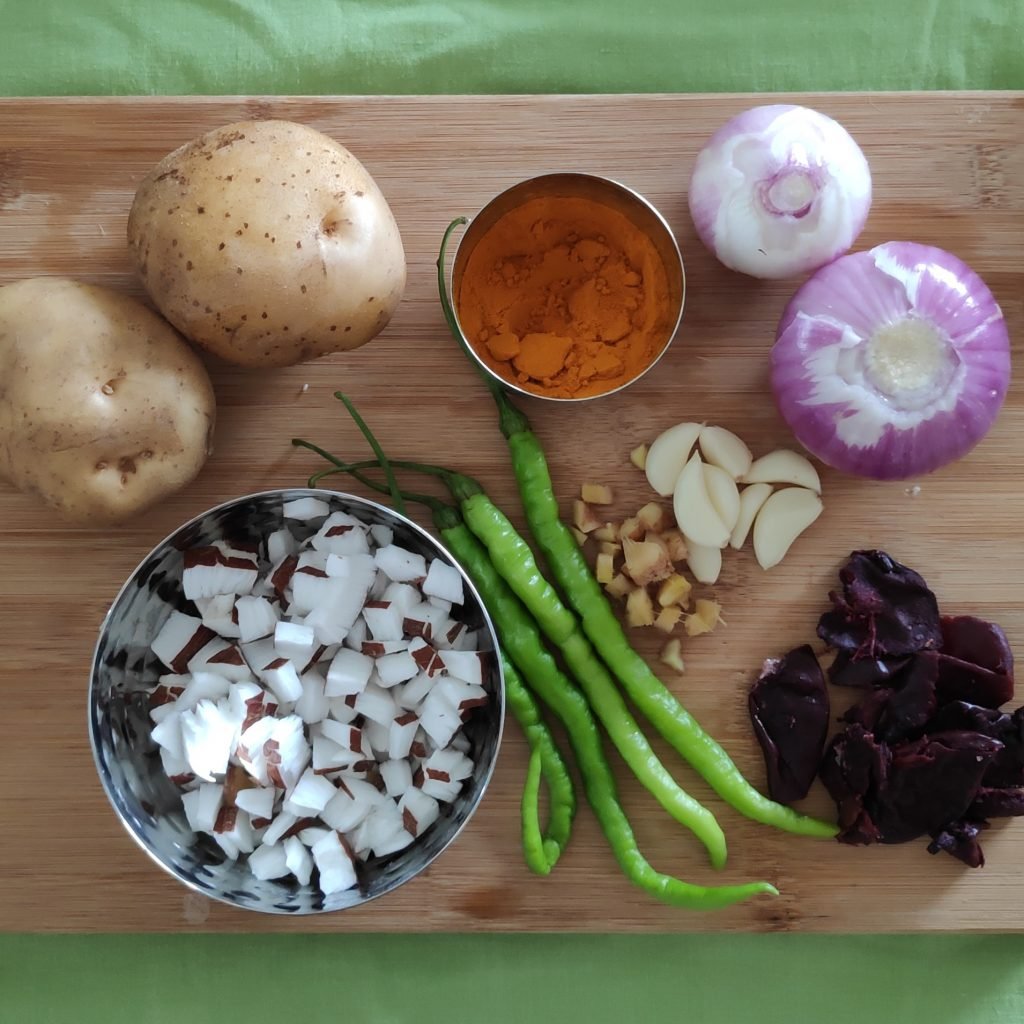
Batatyachi Paatal Bhaji – 1 (Potato Curry)

Potatoes are a versatile root vegetable and a staple food in many households and are packed with a variety of nutrients. Most of the nutrients are just below the skin so they’re better if cooked and consumed with the skin. The skin is also alkaline in nature so that’s an added benefit. Potatoes are rich in compounds like flavonoids, carotenoids and phenolic acids, which are antioxidants and help to neutralize potentially harmful molecules known as free radicals. When free radicals accumulate, they can increase the risk of chronic diseases like heart disease, diabetes and cancer. Colored potatoes like purple potatoes (not very common in India) can have three to four times more antioxidants than white potatoes. However, potatoes when fried or cooked with a lot of oil are pretty unhealthy, so it’s best to avoid French fries or fried potato dishes.
Read More »

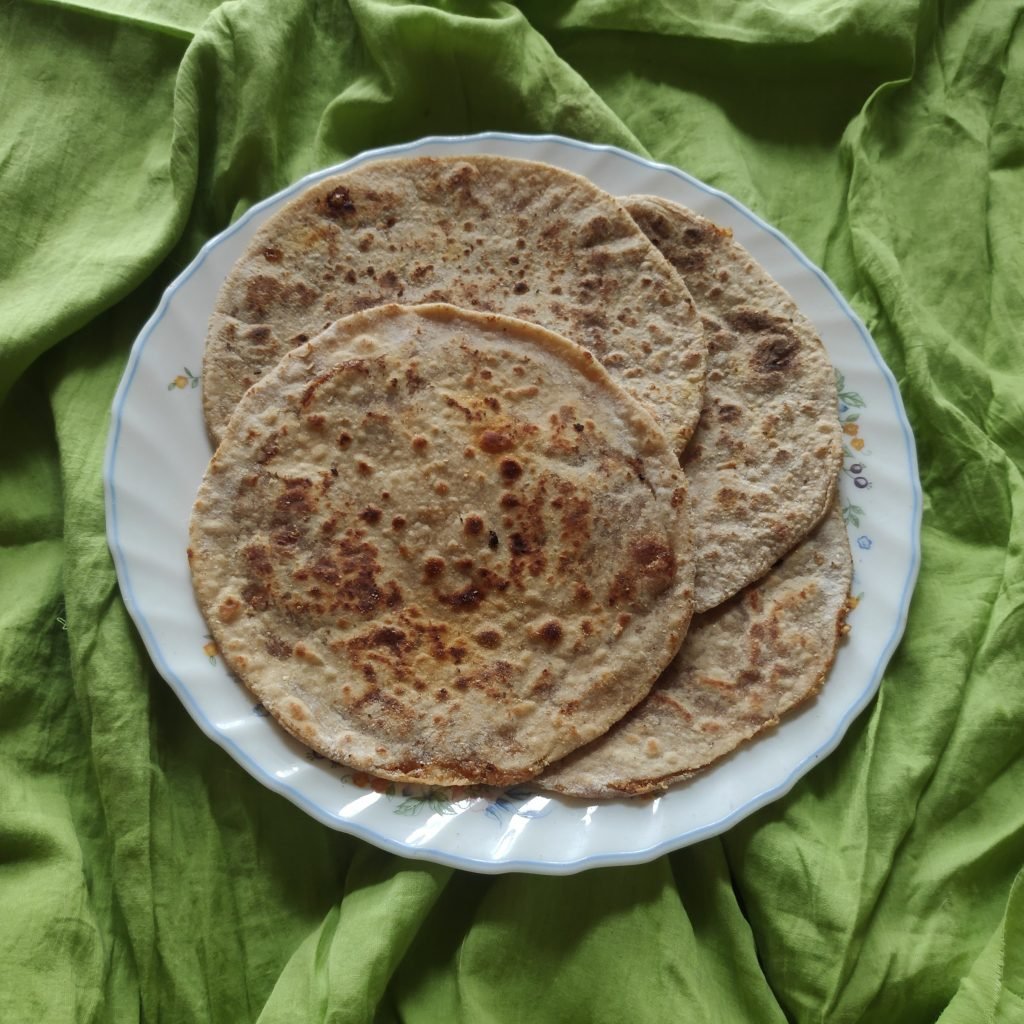
Teel Poli (Sweet Sesame Seed Flat Bread)

The combination of sesame seeds and jaggery is a very common one in India and is used to make many traditional sweet dishes.
Sesame seeds contain protein, fiber, and healthy fats and are rich in calcium. Calcium is an essential mineral that supports the health and function of muscles, hormones, blood vessels and nerves. One tablespoon of sesame seeds provides 87.8 mg of calcium. Both the calcium and magnesium in the seeds may help to reduce blood pressure. Sesame seeds also provide B vitamins, vitamin E, and antioxidants. Sesame seeds are eaten as they are or are added as an ingredient to meals. Sesame seed oil is also used in cooking.
Jaggery is made using traditional methods of pressing and distilling palm or sugar cane juice. In India it is mainly made from sugar cane juice. Though jaggery contains more nutrients than refined sugar (which is only empty calories) because of its molasses content, it is still mostly sugar. The nutrients it contains are in small quantities and so any extra nutrients you get from jaggery come with a lot of calories and so should be eaten in moderation.

Read More »

Mode Aleli Chawli Chi Bhaji with Onion and Tomato (Sprouted Black Eyed Peas Curry with Onion and Tomato)

Sprouted beans are more nutritious and they require much less cooking time. Sprouts are rich in digestible energy, vitamins, minerals, amino acids, proteins, and phytochemicals, as these are necessary for a germinating plant to grow and are also essential to human health. Sprouting breaks down complex compounds into a simpler form which is why sprouts are also called pre-digested foods. Sprouts provide a good supply of Vitamins A, E & C plus B complex which help in digestion and the release of energy. They are also essential for the healing and repair of cells. However, vitamins are very perishable and so fresh sprouts have a higher vitamin content. Some sprouts can yield vitamin contents 30 times higher than the dry bean.

Read More »

Shepuchi Bhaaji with Mugachi Dal (Dill Leaves Bhaaji with Moong Dal)

This traditional dish is still very popular in Maharashtra and is eaten very often by people from the low income group. This is a nourishing dish because it contains both a leafy vegetable and a pulse, making it an almost complete dish nutritionally. Coming from the celery (Apiaceae) family, it is known as Shepu in Marathi, Suva Bhaji in Hindi, Sathakuppai in Tamil and Sowa in Bengali. Both dill leaves and moong dal are rich in nutrients and help regulate many body functions.

Read More »

Kobi chi Koshimbir with Onion (Cabbage Salad with Onion)

One-vegetable salads are a common part of Indian meals. Cabbage is a cruciferous vegetable rich in vitamins and minerals. It’s a great source of vitamins C, K, A, folate, calcium, iron and potassium. It is also very high in fiber and is a great ingredient to help smooth bowel movement and helps cure constipation if eaten raw like in this koshimbir (salad). It has a low glycemic index (GI) keeping you satiated for a long time and is therefore good to maintain sugar levels.

Read More »

Batatyachi Kapa (Spicy Fried Potato Slices)

Potatoes are a root vegetable enjoyed by old and young alike. Potatoes are rich in energy in the form of carbohydrates, contain a considerable amount of protein, vitamins C and B6, niacin and folate, and minerals like potassium, manganese, magnesium and phosphorous, fibre and compounds like flavonoids, carotenoids and phenolic acids, which are antioxidants that help to neutralize potentially harmful molecules known as free radicals. The skin of the potato apart from containing a considerable amount of fibre is not only alkaline in nature but also contains a great amount of the vitamins and minerals, so it’s best to cook and eat potato in its whole form. However, potatoes when fried or cooked with a lot of oil are pretty unhealthy, so it’s best to avoid French fries or fried potato dishes like this one unless you can make it with just a few drops of oil.

Read More »

Basic Coriander Leaf Chutney

A few doctors say chlorophyll is king and, like all leafy green vegetables, coriander is also full of it. Coriander is full of antioxidants that have immune-boosting, anticancer, anti-inflammatory, and neuroprotective effects as well as protect your skin from aging and sun damage. Coriander can help reduce unpleasant digestive symptoms like bloating and discomfort often experienced by people with IBS, and also help boost appetite. And most important of all it’s a delicious accompaniment to any meal.

Read More »

Rajma Punjabi style-1 (Kidney Beans)

Rajma beans are an inexpensive and versatile component of a healthy diet. It is a healthy legume that boosts protein and fibre intake without adding too many calories. About 100 grams of boiled kidney beans will have almost 9 grams of protein. Among legumes, rajma has the richest plant-based protein source. The high content of fiber in kidney beans and the amount of resistant starch helps greatly in weight management and regular consumption of rajma moderates blood sugar levels and promotes colon health. Rajma or kidney beans are high in calcium carbohydrates and have a low glycemic index, which has a beneficial effect on blood sugar balance than any other high-carb foods. Rajma is also rich in folate, iron, potassium, manganese and Vit K. The vitamin B1 in rajma improves cognitive functions and aids the functioning of the brain by enhancing concentration and memory.

Read More »
Shopping Basket