
Spiced Black Tea
This is a wonderful replacement for your morning cup of tea that is usually made with dairy milk. It’s not only delicious but also refreshing and soothing on the digestive system.
This is a wonderful replacement for your morning cup of tea that is usually made with dairy milk. It’s not only delicious but also refreshing and soothing on the digestive system.
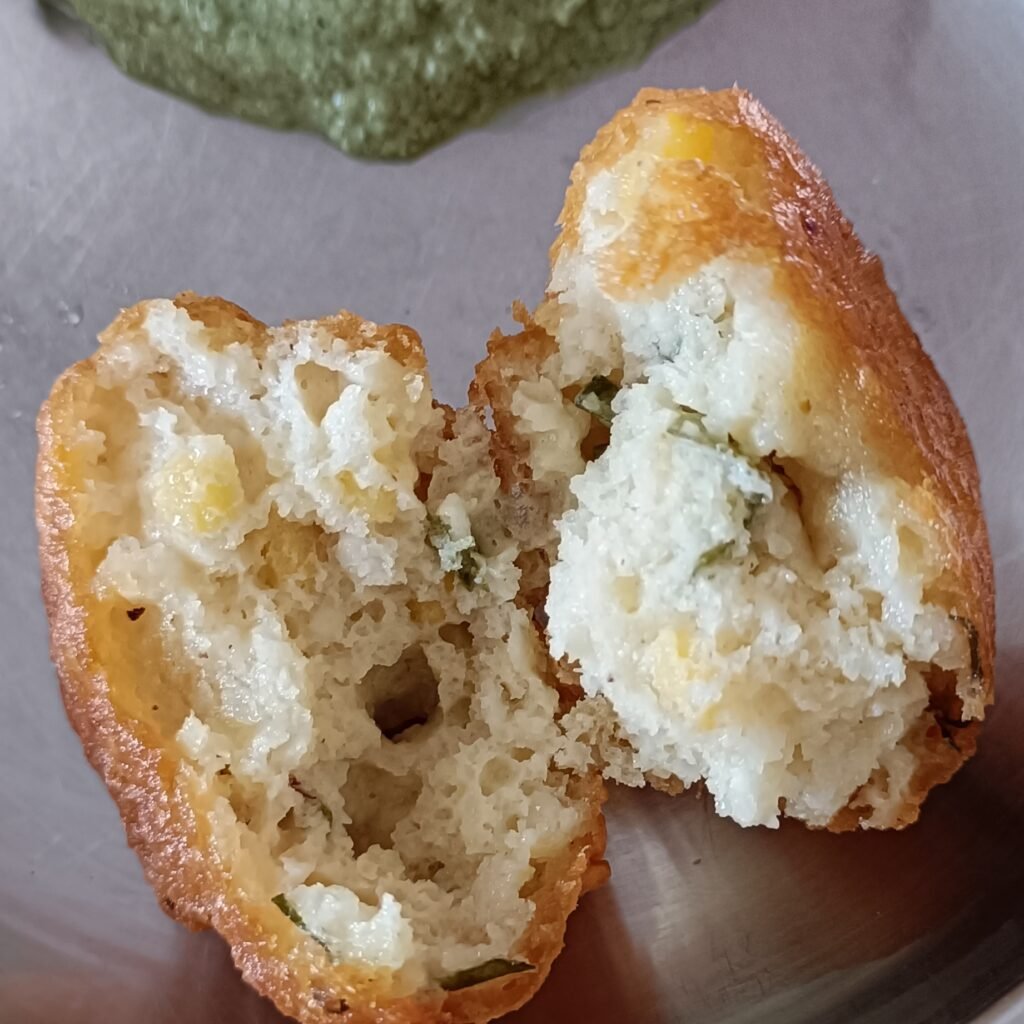
Urad dal is a very common lentil or as we call it a pulse that is found in almost each South Indian home. It is used in the whole or split forms both with and without the black skin on. Urad dal has a good number of amino acids and gets a complete protein profile with all amino acids when combined with a grain like rice. It has a low glycaemic index and because it also contains indigestible fibre it helps in maintaining sugar levels by releasing energy slowly. It is a good source of carbohydrates, iron, calcium and smaller amounts of lipids, all of which may support the growth of bones and help improve heart conditions. Urad dal when eaten with its skin on is a good source of prebiotics as the indigestible skin stimulates the growth of helpful bacteria in the intestine thus improving gut health. Antioxidants such as polyphenols in urad dal may help reduce the impact of free radicals that damage cells thus preventing conditions like cancer, neurodegenerative diseases, and atherosclerosis, and the phenolics, tannins, flavonoids, and phytic acid may help keep the liver and kidney in good order.
Chana is eaten in both the whole and split forms and as besan or the ground form all over India. It is considered to be a great source for muscular health and better immunity as it has 13 grams of protein in every 100 grams. The folate in chana dal may help prevent diseases like stroke, dementia, and depression and the calcium in it can help in preventing osteoporosis and improve bone density. Like urad dal, chana dal has a good amount of fibre and a low glycaemic index making it a good option for maintaining sugar levels and increasing the feeling of satiety faster. The healthy fats in chana have antioxidant properties that may help reduce inflammation. Most importantly, pulses help restore soil fertility by fixing nitrogen in it.

Bananas are well known for their health benefits and are therefore an excellent food for babies and children too. They are rich in potassium and magnesium that may help manage blood pressure and in turn diabetes, lower the risk of stroke, and keep your bones healthy. The soluble fibre in them can help keep your cholesterol and blood pressure in check, and help ease inflammation. A ripe banana is a good source of prebiotics or in other words the carbs that feed the good bacteria in the gut, helping to keep it in a healthy condition, pectin (another fibre) may help prevent constipation and soften stools, and the relatively high content of Vitamin C in them helps protect you from the effect of free radicals.
It’s important to note that you should always have them on an empty stomach, especially to reverse lifestyle diseases like hypertension and diabetes.

Poha is made by soaking the rice and then flattening and drying it. It can be considered to be an uncooked form of rice yet doesn’t really need to be cooked to be consumed. It has a reasonable amount of carbohydrates, some potassium, sodium and protein, and is easily digested.
Coconuts have been grown in India for centuries and have traditionally been used in both savoury and sweet dishes. Coconuts are considered a source of healthy fat, but the fat will add up if they are consumed in the form of coconut milk or oil. Also, they contain small amounts of saturated fats and so should be eaten in smaller quantities. Eaten grated or in pieces, they are a great source of fibre and so help digest the fat in them more easily and also keep the quantity consumed lower. The fat in coconuts is easier for the human body to digest and they don’t contain cholesterol like animal fats Coconut also contains iron, manganese, copper and magnesium, which aid in protecting against disease and ease inflammation in the body.
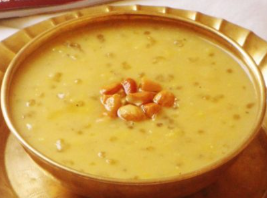
Moong dal is packed with protein and is an integral part of the Indian diet. It is rich in potassium, which helps lower blood pressure and protects against muscle cramping. It also contains minerals like magnesium, iron, and copper and dietary fiber. When eaten, moong dal helps produce a fatty acid called butyrate in the gut. This helps maintain the health of the intestinal walls. The dal has anti-inflammatory properties that prevent and accumulation of gas. Rich in B-complex vitamins, moong dal helps your body break carbohydrates down to glucose, and produce usable energy for your body. It cooks fast and is light and easy to digest. So all in all, it’s a great ingredient to include in your diet more often than not.
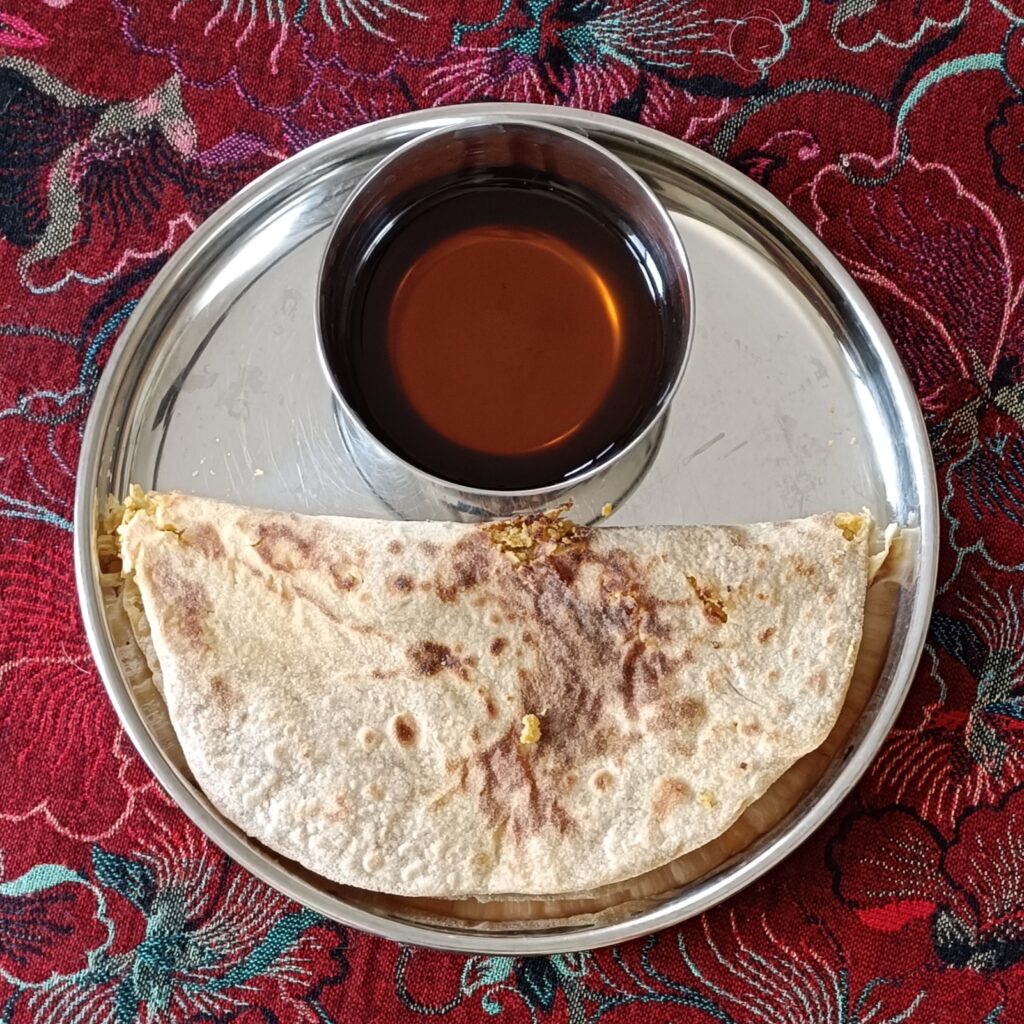
Chana dal, or split chickpeas, is a nutritious legume rich in protein, fiber, and essential minerals, and has been used traditionally for generations. It has several health benefits as per every 100 grams, it includes around 360-400 calories, 20-22 grams of protein, which is an excellent source for muscle repair and growth, 60-65 grams of carbohydrates, and 10-12 grams of fibre, which promotes healthy digestion and can help prevent constipation. It has only 2-4 grams of fat so supports heart health. It also contains several vitamins like B vitamins (B6, folate, niacin, thiamin, riboflavin) and minerals like iron, phosphorus, magnesium, manganese, and copper. These are good for a healthy skin.

Sesame seeds are rich in fibre, which helps in improving digestion and may also help in reducing the risk of heart disease, some cancers and prevent putting on excess weight. Though sesame seeds contain saturated fats, the majority of fats in them are polyunsaturated and monounsaturated fats or good fats that may help in lowering cholesterol levels. Roasting sesame seeds reduces the impact of the oxalates in it that may inhibit the absorption of other minerals in them. It’s a great source of plant based protein especially in the hulled (though it reduces the fibre and vitamin B content) and roasted seeds as it helps in the absorption of this nutrient. It is also well known to be rich in calcium, that’s mainly found in un-hulled seeds, and the absorption of this nutrient is improved by soaking, roasting, or sprouting the seeds.

Traditionally, people chewed on pudina leaves to treat digestive disorders like indigestion, stomach pain, gas, bloating and irregular bowel habits as well as to improve the sense of breathing during colds. It may have antibacterial properties and so has also been used to treat cracks and wounds in the skin. Apart from this, mint helps mask bad breath and kill bacteria in the mouth. Since it is a great source of antioxidants, it also helps to remove toxins from the body and reduce damage caused by free radicals so is a great addition to salads, smoothies and of course for use in traditional chutneys. Most importantly, mint leaves impart a cooling sensation and are therefore a great addition to herbal teas.
hough peanuts are a legume and not a nut, they have many of the same health benefits as the more expensive nuts. They are packed with healthy fats, high-quality protein, and are fairly high in calories and fiber making them a great go-to snack that can keep you satiated for a long time. They also contain plenty of potassium, phosphorous, magnesium, and B vitamins. Peanut skins also contain antioxidants. Peanuts are best eaten soaked (overnight or for at least 6 hours) and not roasted and can be added to salads, chutneys and curries. The light skinned peanuts are usually sweeter and better in taste.
Chana dal is eaten in both the split and ground form all over India and is considered a great source for muscular health and better immunity as it has 13 grams of protein in every 100 grams. The folate in chana dal may help prevent diseases like stroke, dementia, and depression and the calcium in it can help in preventing osteoporosis and improve bone density. Like urad dal, chana dal has a good amount of fibre and a low glycemic index making it a good option for maintaining sugar levels and increasing the feeling of satiety faster and the healthy fats have antioxidant properties that may help reduce inflammation. Most importantly, pulses help restore soil fertility by fixing nitrogen in it.
Coconuts are high in fat and so in calories but they are also high in fibre and low in carbohydrates. This combination prevents one from consuming too much coconut as the fibre and fat soon create a feeling of satiety. The combination of high fibre and low carbohydrates may also help control blood sugar levels. Moreover, the fat in coconuts is in the form of medium-chain triglycerides which the body metabolizes differently as compared to saturated fats by absorbing them directly from the small intestine and rapidly using them for energy. This may promote body fat loss when eaten in place of long-chain saturated fats from animal foods.
Coconuts are also rich nutritionally being especially high in manganese, which is essential for bone health and the metabolism of carbohydrates, proteins, and cholesterol. They’re also rich in copper and iron, which help form red blood cells, and also selenium which is an important antioxidant that fights free radicals. Coconuts may help block the growth of certain bacteria because of the antibacterial effect they have.
Coconuts also contain several phenolic compounds, which are antioxidants helping to neutralize the free radicals, which contribute to chronic diseases. According to one study, some of these antioxidants may help protect against DNA damage and cell damage and death caused by chemotherapy.

A few doctors say chlorophyll is king and, like all leafy green vegetables, coriander is also full of it. Coriander is full of antioxidants that have immune-boosting, anticancer, anti-inflammatory, and neuroprotective effects as well as protect your skin from aging and sun damage. Coriander can help reduce unpleasant digestive symptoms like bloating and discomfort often experienced by people with IBS, and also help boost appetite. And most important of all it’s a delicious accompaniment to any meal.