Translate to your native language

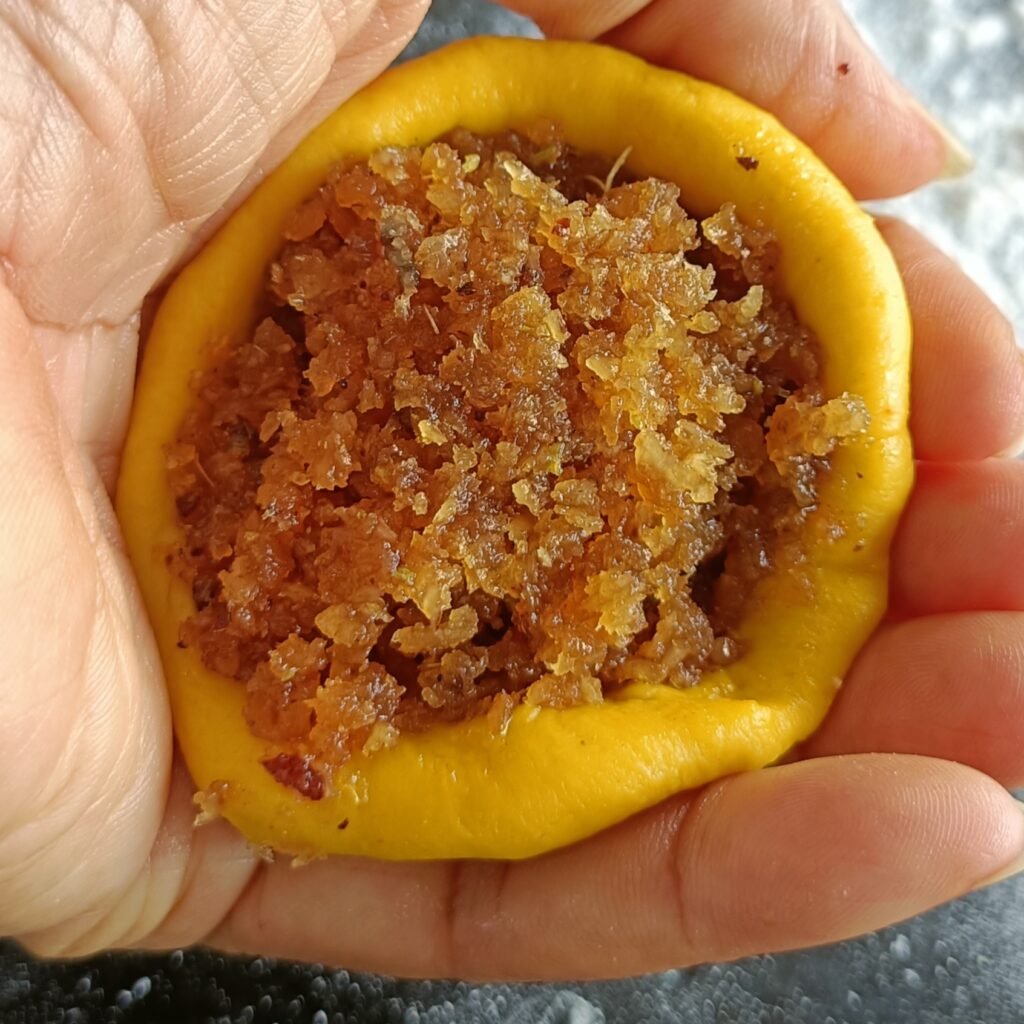
Naral Poli (Sweet Coconut Flat Bread)

Just one cup or around 80 grams of fresh, shredded coconut meat contains almost 300 calories and 27 grams of fat, most of which is saturated fat. Although coconut contains beneficial minerals like manganese that supports enzyme function and fat metabolism, a good amount of selenium, and copper that assists bone formation and supposedly heart health, it should be consumed in limited quantities because of the high amount of fat which is definitely not good for the heart. Most of the saturated fat in coconut is in the form of medium-chain triglycerides (MCTs), which are absorbed intact in our small intestine and used by our body to produce energy. On the other hand, coconut is also rich in insoluble fibre, which doesn’t get digested but helps to move food through our digestive system and aids bowel health. The high fibre also is the reason that we cannot eat too much coconut, which of course is good!
Read More »

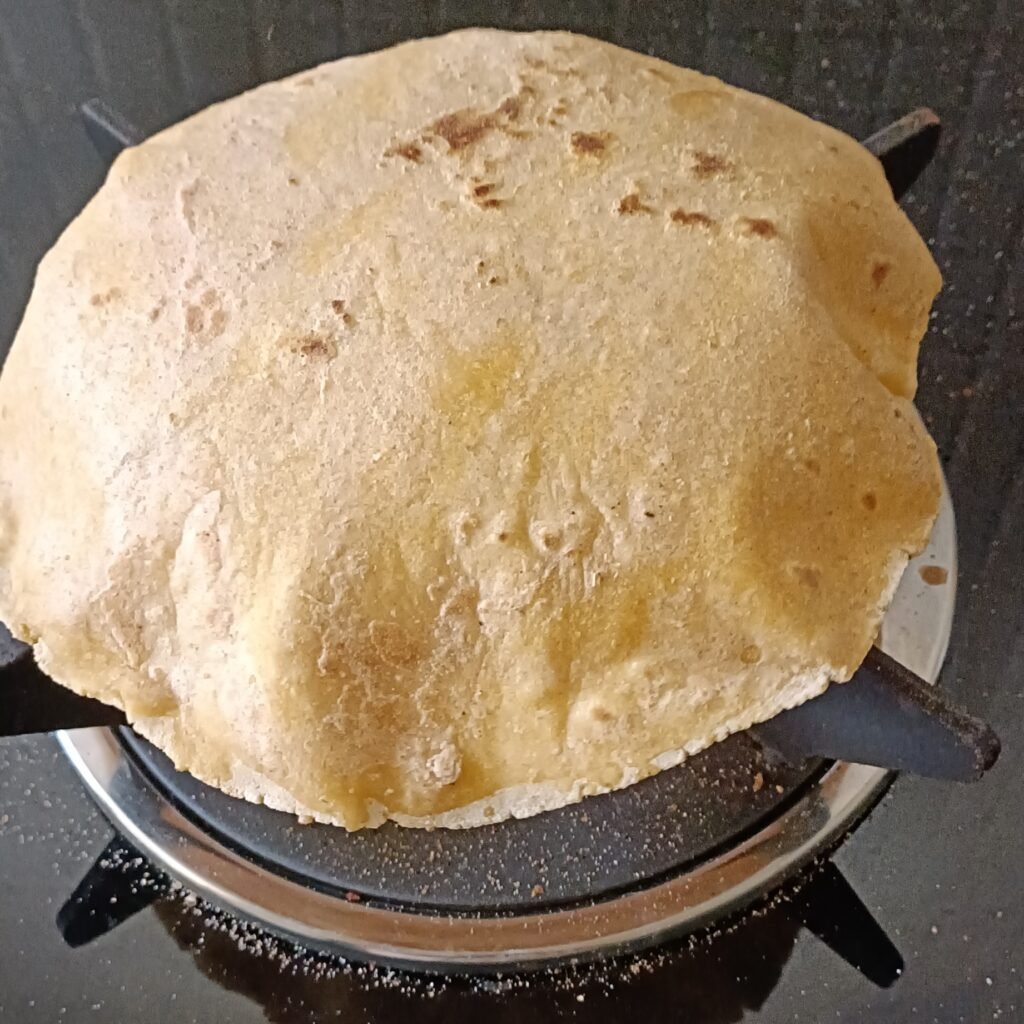
Makai Ki Roti (Maize Flour Flat Bread)

Corn is one of the world’s most popular cereal grains from the grass family with many benefits and is available almost everywhere because it can grow in any climatic condition. Whole-grain corn is not only low to medium on the glycemic index, releasing energy slowly, but is also rich in phytochemicals that help to regulate the amount of insulin produced in the body. The high fibre content in corn helps regulate bowel movements and prevent constipation, haemorrhoids. It is considered good for treating diarrhoea and irritable bowel syndrome (IBS), too. The large amount of antioxidants like vitamin E, the phytochemicals and the fibre in corn may help prevent cancers, especially colon cancer. Corn is high in carbohydrates, protein, vitamins and minerals including selenium which is not easily found in other food sources. Magnesium and the optimal combination of fatty acids in corn lets the Omega 3 fatty acids get rid of bad cholesterol and replace them at the binding sites reducing your risk of developing cardiovascular disease by a huge margin. Corn also prevents your arteries from getting clogged and even controls your blood pressure as a result lowering your chances of getting heart attacks and strokes. Magnesium also helps bone density. Phosphorous regulates kidney function, induces normal bone growth and maintains bone health. Thiamine helps improve nerve health and cognitive functions. Niacin can prevent dementia and dermatitis. The high amount of beta-carotene in corn helps generate healthy amounts of vitamin A in the body, helping improve eyesight and skin condition. Corn is extremely rich in iron and can help prevent anemia as well as avoid the symptoms of anemia such as exhaustion, fatigue, weakness, dizziness, and shortness of breath. Corn contains a high number of calories and can help people gain weight if eaten in larger quantities. Note: sweet corn is a low-starch variety with higher sugar content.

Read More »

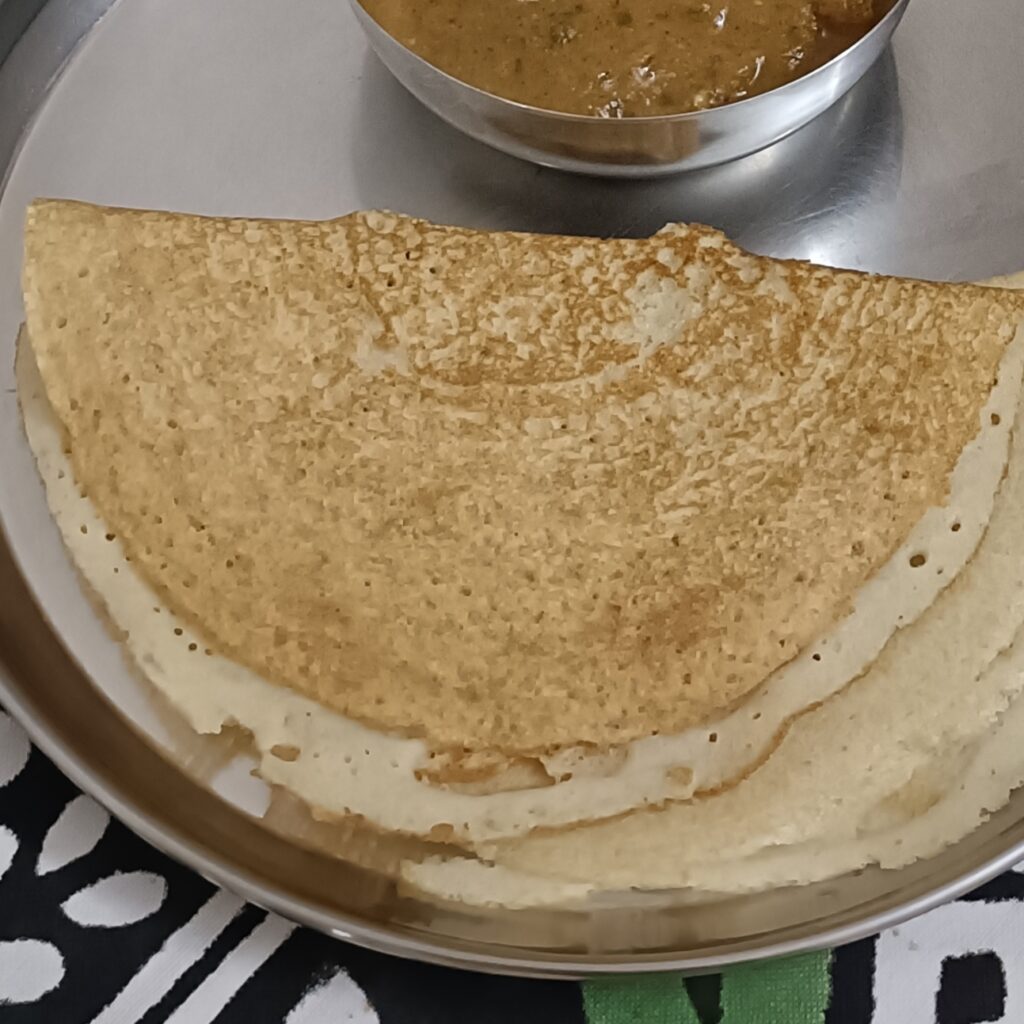
Urad Dal and Rice Dosa

Many cultures consider rice to be a staple grain because it contains vital carbohydrates that provide the body energy even though it contains less protein than other cereals. Carbohydrates can keep you energized and satisfied and are important for fueling exercise. Rice, particularly white rice, generally gets digested easily because it is low in fat and fiber, and so it’s better to eat brown or semi-brown rice. Brown rice, especially, is an excellent source of many nutrients, including fiber, manganese, selenium, magnesium, and B vitamins. Urad dal, also known as black gram, is high in protein, fibre, and minerals. It’s a versatile ingredient that can be used in many dishes. Urad dal is high in protein compared to other legumes and is a good source of both soluble and insoluble fibre. It also contains iron, which can help increase energy levels, calcium, phosphorus, and magnesium, which are vital for strong bones and teeth, potassium, which can help reduce cholesterol levels and improve heart health, and zinc as well as niacin, thiamine, riboflavin, and other B vitamins. The antioxidants in urad dal help protect the body against free radicals and strengthen the immune system. Urad dal has a low glycaemic index, making it suitable for maintaining stable blood sugar levels.

Read More »
Shopping Basket