
Rassa Polay (Sweet Rice Pancakes)
Recipe credit: Darshana Muzumdar Serves 4 as part of a traditional Indian meal. Polay is the Marathi or Konkani word for dosas or pancakes. Pola
Recipe credit: Darshana Muzumdar Serves 4 as part of a traditional Indian meal. Polay is the Marathi or Konkani word for dosas or pancakes. Pola
Kairi (raw/green) mango comes in different levels of sourness and is available for almost 6 to 8 months of the year. It is a very versatile ingredient and is used in pickles, preserves, chaats, chutneys, main dishes, and beverages. It is high in vitamin C, calcium, and magnesium which are great to detoxify the body. Raw mangoes are also high in niacin, which helps boost cardiovascular health.
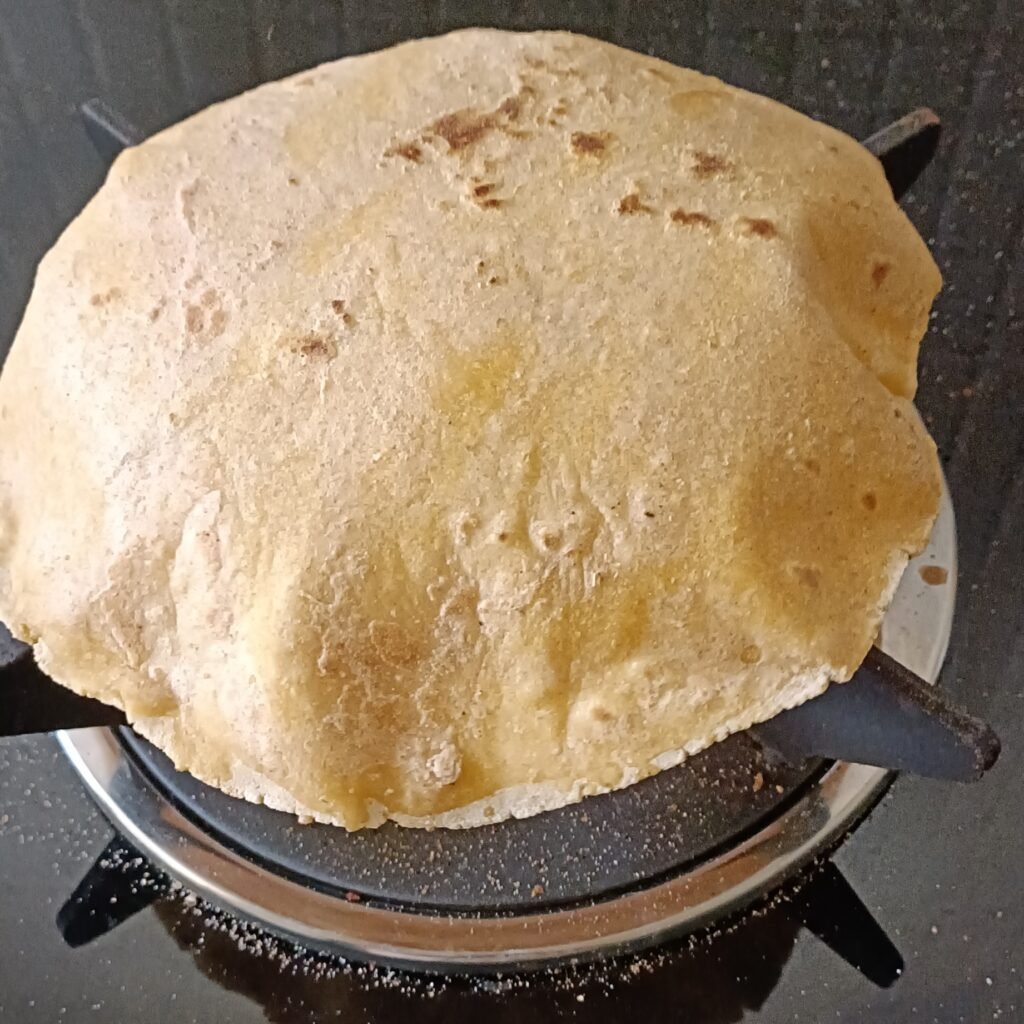
Corn is one of the world’s most popular cereal grains from the grass family with many benefits and is available almost everywhere because it can grow in any climatic condition. Whole-grain corn is not only low to medium on the glycemic index, releasing energy slowly, but is also rich in phytochemicals that help to regulate the amount of insulin produced in the body. The high fibre content in corn helps regulate bowel movements and prevent constipation, haemorrhoids. It is considered good for treating diarrhoea and irritable bowel syndrome (IBS), too. The large amount of antioxidants like vitamin E, the phytochemicals and the fibre in corn may help prevent cancers, especially colon cancer. Corn is high in carbohydrates, protein, vitamins and minerals including selenium which is not easily found in other food sources. Magnesium and the optimal combination of fatty acids in corn lets the Omega 3 fatty acids get rid of bad cholesterol and replace them at the binding sites reducing your risk of developing cardiovascular disease by a huge margin. Corn also prevents your arteries from getting clogged and even controls your blood pressure as a result lowering your chances of getting heart attacks and strokes. Magnesium also helps bone density. Phosphorous regulates kidney function, induces normal bone growth and maintains bone health. Thiamine helps improve nerve health and cognitive functions. Niacin can prevent dementia and dermatitis. The high amount of beta-carotene in corn helps generate healthy amounts of vitamin A in the body, helping improve eyesight and skin condition. Corn is extremely rich in iron and can help prevent anemia as well as avoid the symptoms of anemia such as exhaustion, fatigue, weakness, dizziness, and shortness of breath. Corn contains a high number of calories and can help people gain weight if eaten in larger quantities. Note: sweet corn is a low-starch variety with higher sugar content.
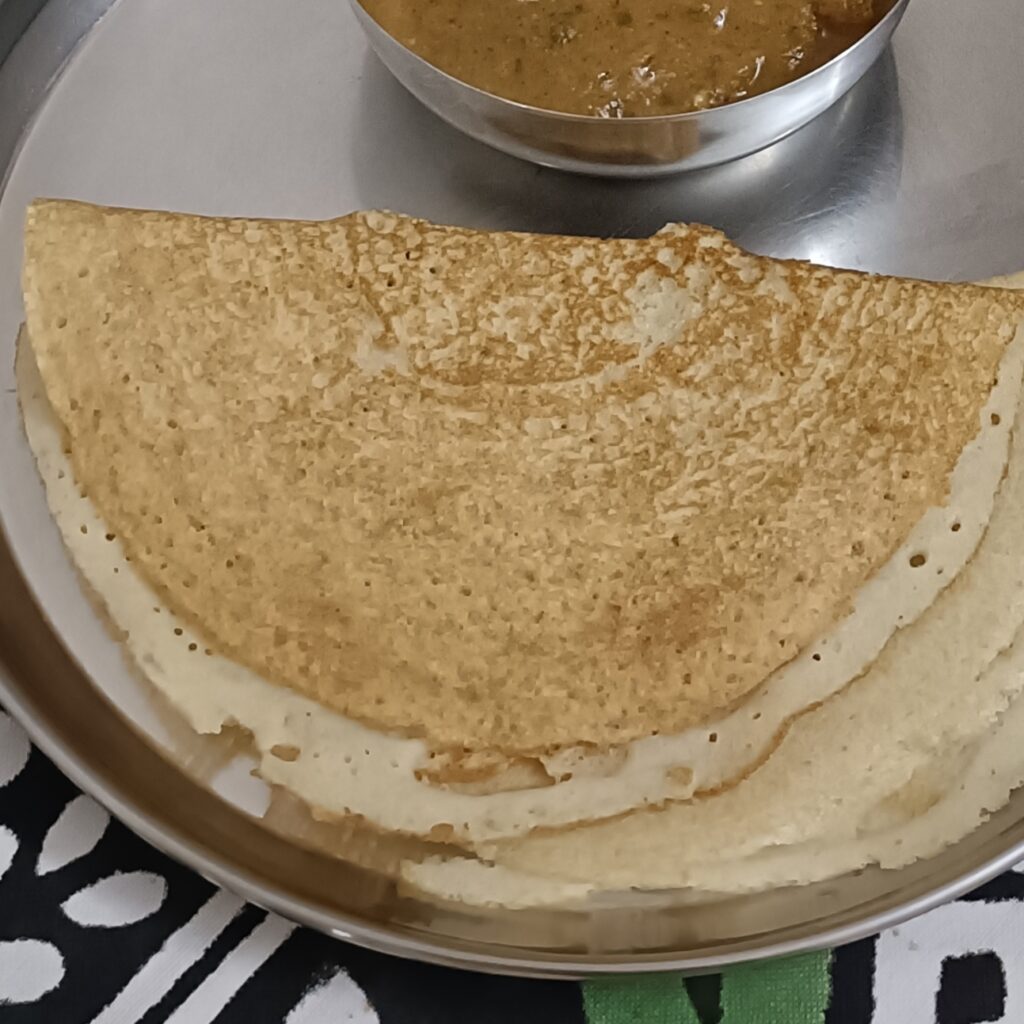
Many cultures consider rice to be a staple grain because it contains vital carbohydrates that provide the body energy even though it contains less protein than other cereals. Carbohydrates can keep you energized and satisfied and are important for fueling exercise. Rice, particularly white rice, generally gets digested easily because it is low in fat and fiber, and so it’s better to eat brown or semi-brown rice. Brown rice, especially, is an excellent source of many nutrients, including fiber, manganese, selenium, magnesium, and B vitamins. Urad dal, also known as black gram, is high in protein, fibre, and minerals. It’s a versatile ingredient that can be used in many dishes. Urad dal is high in protein compared to other legumes and is a good source of both soluble and insoluble fibre. It also contains iron, which can help increase energy levels, calcium, phosphorus, and magnesium, which are vital for strong bones and teeth, potassium, which can help reduce cholesterol levels and improve heart health, and zinc as well as niacin, thiamine, riboflavin, and other B vitamins. The antioxidants in urad dal help protect the body against free radicals and strengthen the immune system. Urad dal has a low glycaemic index, making it suitable for maintaining stable blood sugar levels.
Mangoes are a great source of various nutrients, including vitamins A and C, folate, fiber, and copper. They are also relatively low in calories and fat. The body converts the beta-carotene in mangoes into vitamin A, which may help improve vision, skin health, and immune function. Vitamin C is a great antioxidant that may help reduce the rate of aging. The folate (a B vitamin) in mangoes assists cell growth and development, particularly during pregnancy. Mangoes also contain copper, a mineral that plays a role in energy production, nerve function, and immune health. The most ignored component in our nutrition is fibre which is very important for digestion and bowel movement. It also helps regulate blood sugar so is great for diabetics and mangoes are a good source of this dietary fiber. Coconut is high in fat and calories while moderate in carbs and protein. Most of the fats are medium-chain triglycerides (MCTs), which are absorbed intact in the small intestine and used by the body to produce energy. It’s the high content of manganese in coconut that not only supports enzyme function but also fat metabolism. The copper in coconut helps bone formation and heart health. Apart from manganese and copper, coconut is also rich in other minerals like selenium, phosphorus, potassium, and iron. Coconut contains a very high amount of insoluble fibre that doesn’t get digested but works to move food through the digestive system and helps bowel health.
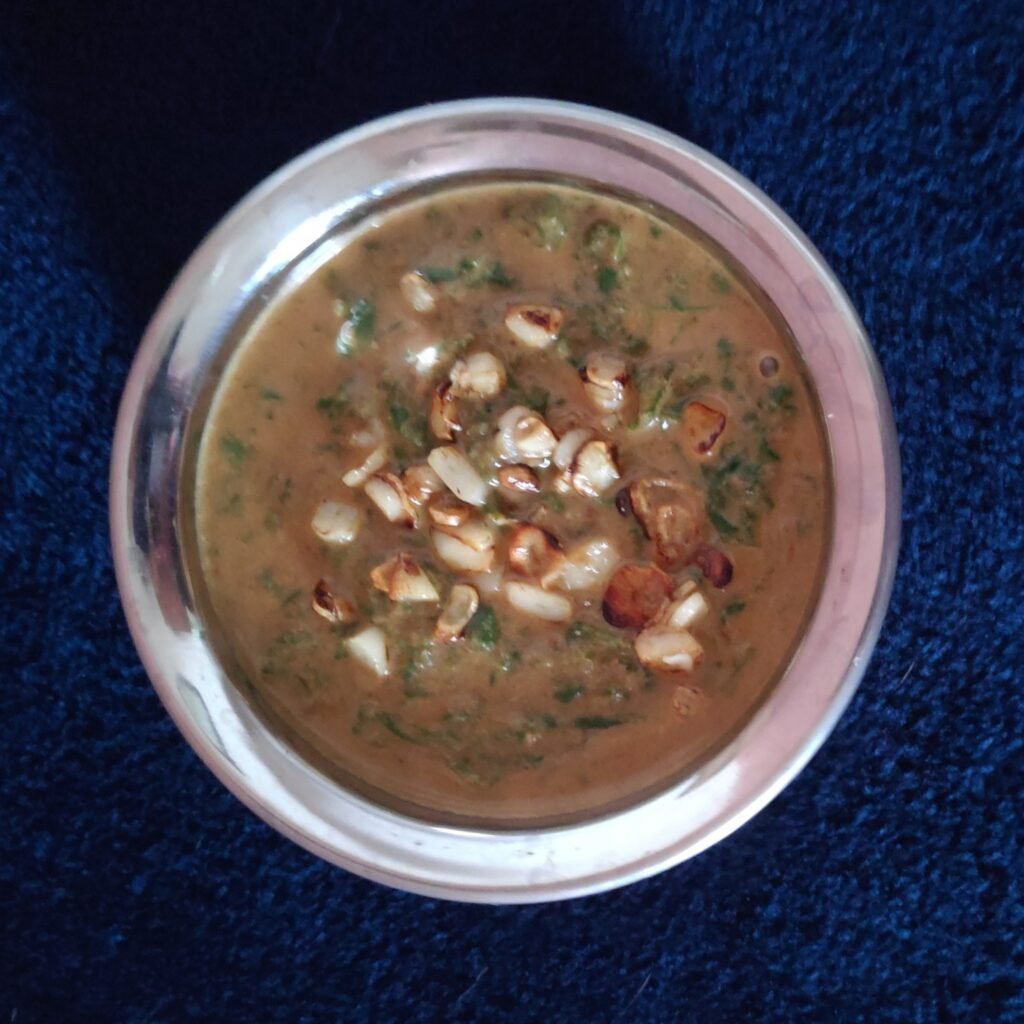
Indian spinach (Malabar Spinach) is mostly available during the monsoon. It is very easy to clean and cook and tastes more or less like spinach. This green leafy vegetable is rich in all the nutrients in most green leafy vegetables like calcium, potassium, magnesium, iron, and vitamin A. It’s especially good for women and children who have iron deficiency. It is low in calories and high in fiber. This miracle green leafy vegetable originated in Asia but is now grown in most tropical regions. It is usually cooked but can also be used raw in salads as well as in smoothies.

Eating plenty of vegetables may be one of the simplest ways to improve health and well-being. They provide energy, vitamins, minerals and fibre and additional health benefits from phytonutrients. Vegetables are also naturally low in fat, salt and sugar, making them an excellent food choice. Starchy vegetables such as potatoes, yams and sweet corn contain higher levels of carbohydrates and are higher in energy (kilojoules) because of their carbohydrate content. Vegetables lose a lot of their nutritional value when cooked so it’s best to eat them in their original form as far as possible or at least cook them the least degree that you can.
Red rice poha is also rich in fibre, carbohydrates and iron. It’s a great ingredient to add to a meal to give the feeling of satiety along with nutrients.

Recipe credit: Darshana Muzumdar Serves 2 to 4 people for breakfast or as a snack Ingredients Method For the Whole-Food Plant-Based (WFPB) version:

Indian spinach (Malabar Spinach) is mostly available during the monsoon. It is very easy to clean and cook and tastes more or less like spinach. This green leafy vegetable is rich in all the nutrients that are present in most green leafy vegetables. These are calcium, potassium, magnesium, iron, and vitamin A. It’s especially good for women and children who have iron deficiency. It is low in calories and high in fiber. This miracle green leafy vegetable originated in Asia but is now grown in most tropical regions. It is usually cooked but can also be used raw in salads as well as in smoothies.