Translate to your native language

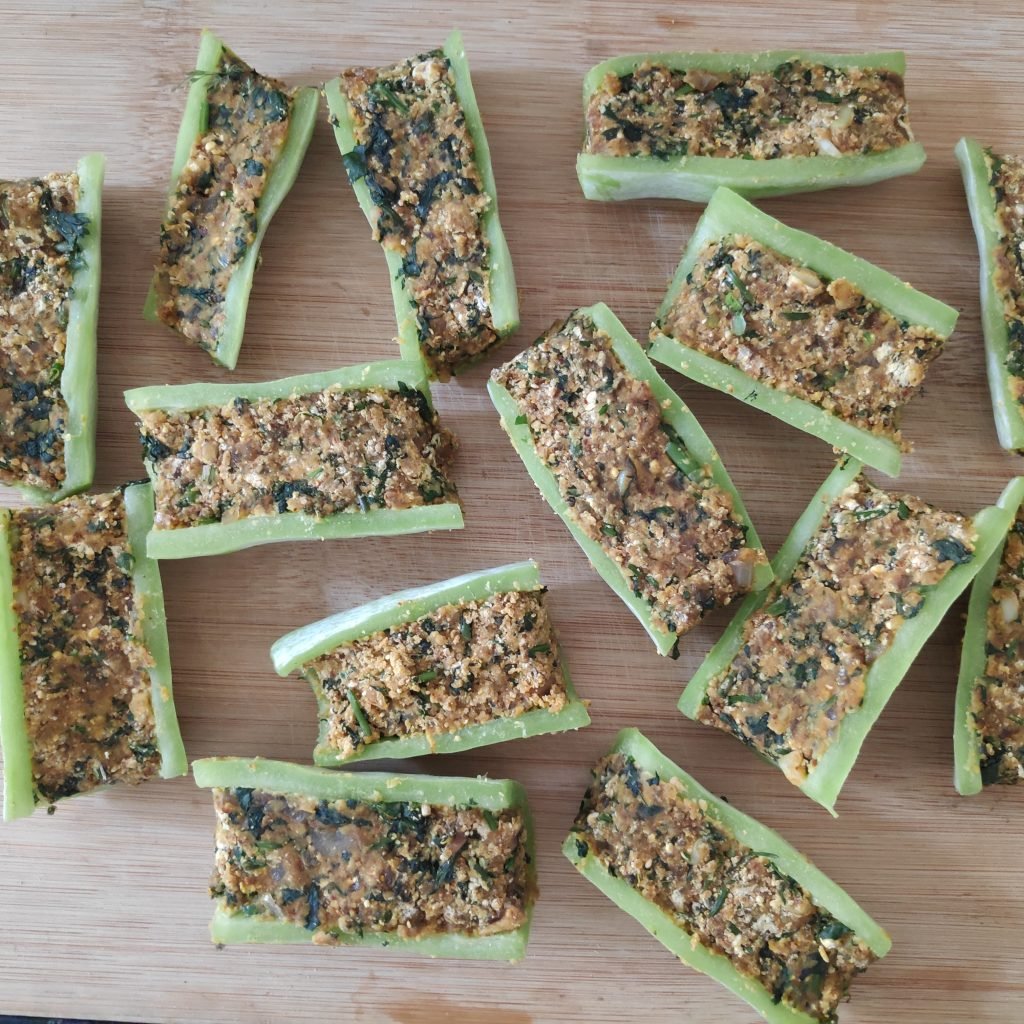
Stuffed Snake Gourd

Besan (chickpea/ garbanzo bean flour) also known as gram flour has been a staple in Indian cooking for centuries. It is from the legume family and is lower in carbohydrates and calories but very rich in protein, iron, folate, and manganese apart from other vitamins, minerals and anti-oxidants. It is packed with fibre, is lower in calories than other flours and is very filling. It has a lower glycemic index thus preventing a spike in blood sugar. It is a great alternative to use as a gluten free flour. it’s lower in carbs and calories yet richer in protein and fiber.
Snake gourd is widely used in popular local cuisines all over India, and is great in reversing illnesses of the stomach, liver, kidney, and skin. It belongs to the cucumber and squash family and helps cure fever, jaundice and diabetes. It is rich in antioxidants and has anti-inflammatory qualities. It helps get rid of accumulated toxins in the kidneys, enhances the digestive system, and prevents allergies and breathing problems such as asthma. It has an expectorant quality that helps in loosening phlegm or mucous secretions from the respiratory tract. Snake gourd helps eliminate body wastes and kidney stones. It is a non-starchy vegetable that is low in calories and is great for weight loss because of its high water and fiber content. The antioxidants and gallic acid present in it help remove harmful free radicals and alleviates moods, stress, depression and anxiety. It is also great at reversing acid reflux and PCOS.
Read More »

Uppit (pronounced oo-pit)

In Northern India, coarsely ground wheat is called sooji, and in South India, it is called rava. Semolina as it is called in English is used in many Indian dishes both sweet and savory. Wheat is one of the oldest and most important of all cereal crops globally. Though it is majorly grown in some northern states of India, it is popularly used in making upma or uppit in the South. It is an important source of carbohydrates as well as the leading source of proteins (in the form of gluten) in human food, having a protein content of about 13%. It’s the gluten in wheat flour that gives elasticity and strength to dough. Whole wheat flour, made by grinding the entire wheat kernel, is generally considered healthier than refined wheat flour (maida) because it retains the bran and germ, which are rich in fiber, vitamins, and minerals. Rava or semolina is usually made from whole wheat in India. Many people prefer to use millets instead of wheat to make this dish as wheat is generally higher in gluten content and lower in fibre than most millets. However, compared to rice, wheat has a lower glycemic index and helps slow down digestion as well as aids bowel movement. It is important to note that gluten is a problem only for those who react negatively to it, or test positive for celiac disease. Most people can and have eaten gluten most of their lives, without any adverse side effects. Indian varieties of wheat like Sharbati and MP Shivor Gold have a much higher gluten content than Shivor, and MP Shivor has the least amount of gluten in it. Having shared this information, we think it is best to eat wheat or other cereals in as small quantities as possible and have cooked vegetables, pulses, and salads made with uncooked vegetables and fruit, as the main part of a meal.

Read More »

Plain Upma/Savoury Rawa (Savoury Semolina)

In Northern India, coarsely ground wheat is called sooji, and in South India, it is called rava. Semolina as it is called in English is used in many Indian dishes both sweet and savory. Wheat is one of the oldest and most important of all cereal crops globally. Though it is majorly grown in some northern states of India, it is popularly used in making upma or uppit in the South. It is an important source of carbohydrates as well as the leading source of proteins (in the form of gluten) in human food, having a protein content of about 13%. It’s the gluten in wheat flour that gives elasticity and strength to dough. Whole wheat flour, made by grinding the entire wheat kernel, is generally considered healthier than refined wheat flour (maida) because it retains the bran and germ, which are rich in fiber, vitamins, and minerals. Rava or semolina is usually made from whole wheat in India. Many people prefer to use millets instead of wheat to make this dish as wheat is generally higher in gluten content and lower in fibre than most millets. However, compared to rice, wheat has a lower glycemic index and helps slow down digestion as well as aids bowel movement. It is important to note that gluten is a problem only for those who react negatively to it, or test positive for celiac disease. Most people can and have eaten gluten most of their lives, without any adverse side effects. Indian varieties of wheat like Sharbati and MP Shivor Gold have a much higher gluten content than Shivor, and MP Shivor has the least amount of gluten in it. Having shared this information, we think it is best to eat wheat or other cereals in as small quantities as possible and have cooked vegetables, pulses, and salads made with uncooked vegetables and fruit, as the main part of a meal.

Read More »

Bottle Gourd or Cucumber Soup

Bottle gourd, normally known as lauki or doodhi in regional languages is commonly found in almost all parts of India. It is especially used in preparations like sambhar and in sweet dishes on festivals. Bottle gourd is composed of approximately 92% water, which makes it an excellent hydrating food. With its high water content, and minimal fat content, bottle gourd is an ideal choice for people who want to lose weight or maintain a healthy weight. Bottle gourd is a good source of dietary fiber, which assists in bowel movement and slowing down the digestive process as well as giving a feeling of fullness and so aiding in weight management. It contains essential vitamins like vitamin C, vitamin K and a range of minerals including calcium, magnesium, and potassium, which are essential for maintaining healthy bones, muscles, and electrolyte balance. Potassium is especially important as it promotes the relaxation of blood vessels, thereby supporting healthy blood flow and reducing the risk of hypertension. Bottle gourd also contains compounds such as flavonoids, phenolic compounds, and antioxidants that help protect the liver cells from damage caused by oxidative stress and toxins. Antioxidants also support a healthy immune system and help keep away chronic lifestyle diseases. Additionally, bottle gourd is considered a detoxifying vegetable due to its high water content, which aids in flushing out toxins from the body and in turn reducing the burden on the liver. bottle gourd contains good amounts of potassium, a mineral known for its blood pressure-regulating properties. It promotes the relaxation of blood vessels, thereby supporting healthy blood flow and reducing the risk of hypertension. All in all, it’s a great idea to include bottle gourd in our diet.

Read More »

Indian Spinach Curry (Malabar Spinach)

Indian spinach (Malabar Spinach) is mostly available during the monsoon. It is very easy to clean and cook and tastes more or less like spinach. This green leafy vegetable is rich in all the nutrients in most green leafy vegetables like calcium, potassium, magnesium, iron, and vitamin A. It’s especially good for women and children who have iron deficiency. It is low in calories and high in fiber. This miracle green leafy vegetable originated in Asia but is now grown in most tropical regions. It is usually cooked but can also be used raw in salads as well as in smoothies.

Read More »

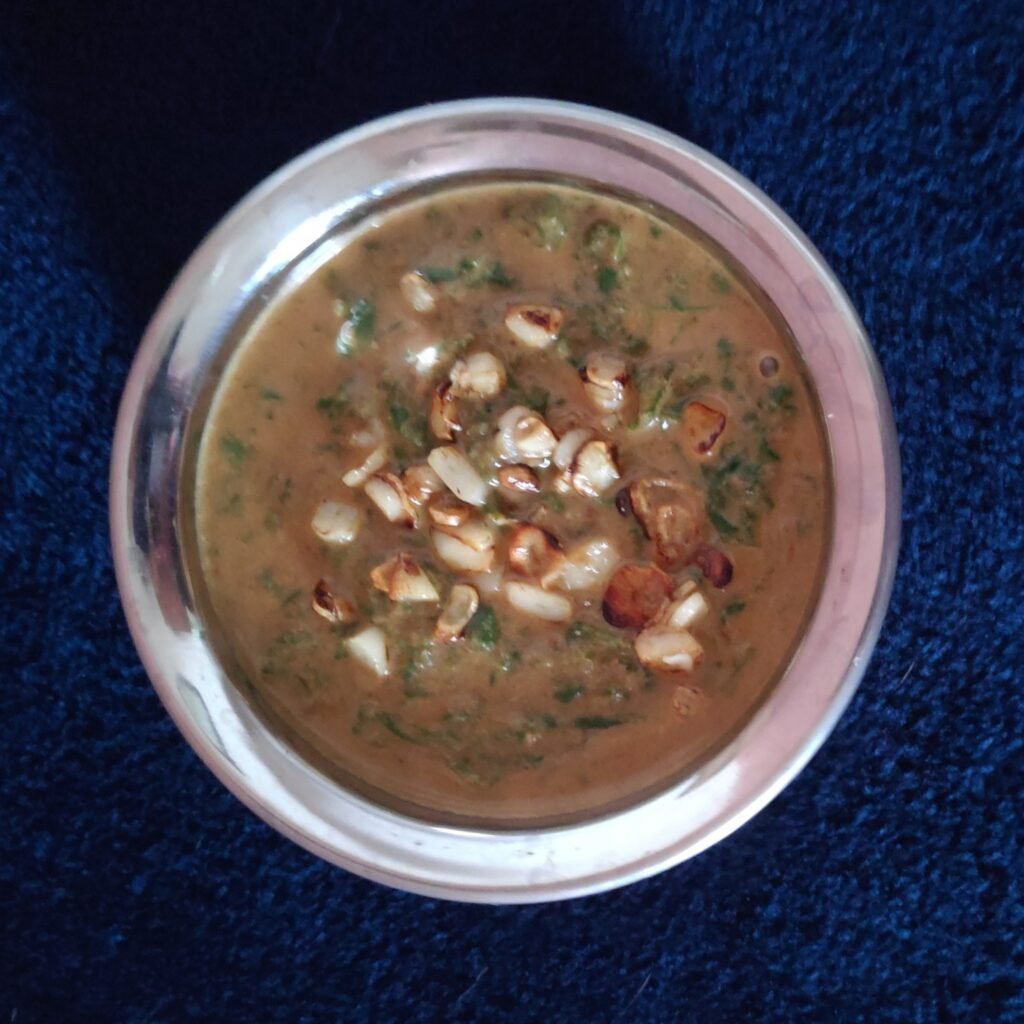
Indian Spinach Soup (Malabar Spinach Soup)

Indian spinach (Malabar Spinach) is mostly available during the monsoon. It is very easy to clean and cook and tastes more or less like spinach. This green leafy vegetable is rich in all the nutrients that are present in most green leafy vegetables. These are calcium, potassium, magnesium, iron, and vitamin A. It’s especially good for women and children who have iron deficiency. It is low in calories and high in fiber. This miracle green leafy vegetable originated in Asia but is now grown in most tropical regions. It is usually cooked but can also be used raw in salads as well as in smoothies.

Read More »
Shopping Basket