
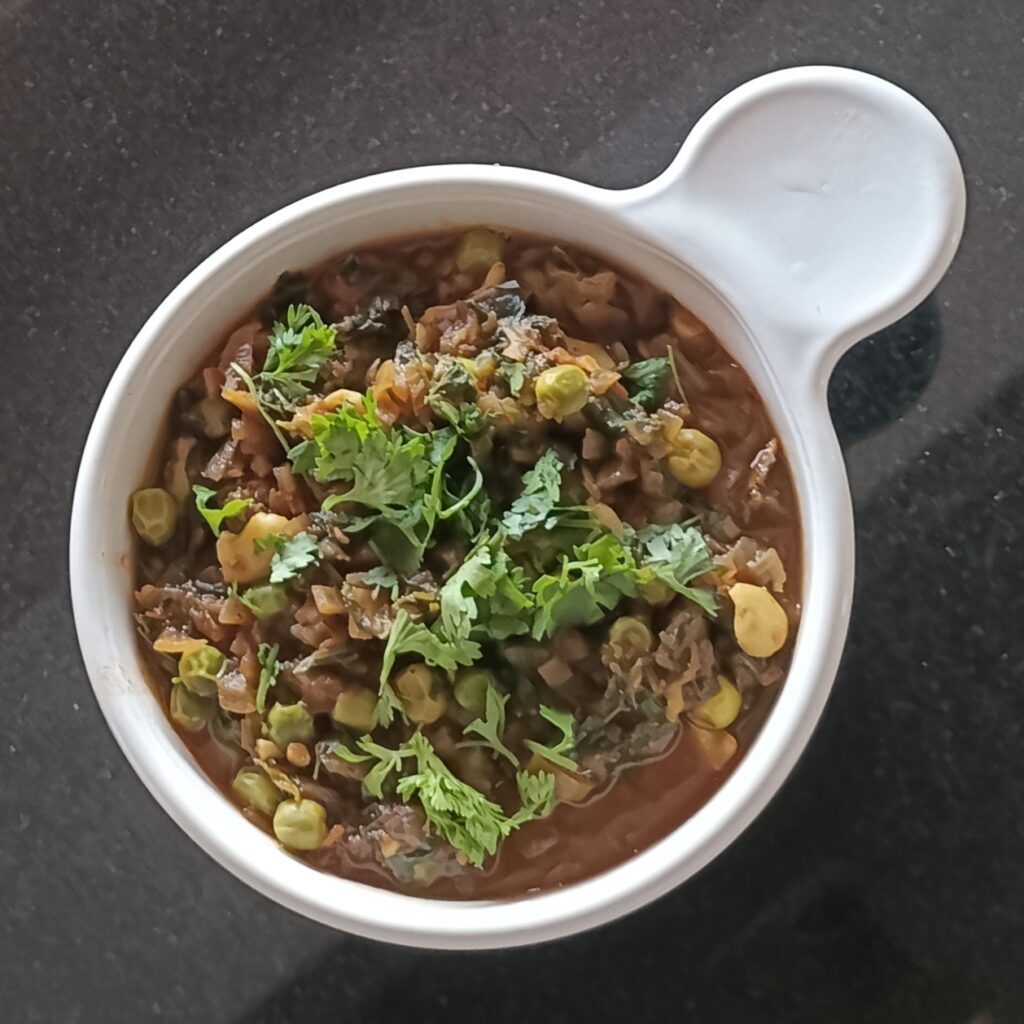
Methi Mattar Kaju
This traditional North Indian vegetable dish is popular during the cold winter months when both methi and peas are in season and cashews are used to counter the cold.
This traditional North Indian vegetable dish is popular during the cold winter months when both methi and peas are in season and cashews are used to counter the cold.
Recipe: Darshana Muzumdar Serves 4 or 5 This delicious street food is a very popular fast food and snack especially in Maharashtra and Gujarat. Mumbai

A few doctors say chlorophyll is king and, like all leafy green vegetables, coriander is also full of it. Coriander is full of antioxidants that have immune-boosting, anticancer, anti-inflammatory, and neuroprotective effects as well as protect your skin from aging and sun damage. Coriander can help reduce unpleasant digestive symptoms like bloating and discomfort often experienced by people with IBS, and also help boost appetite. And most important of all it’s a delicious accompaniment to any meal.
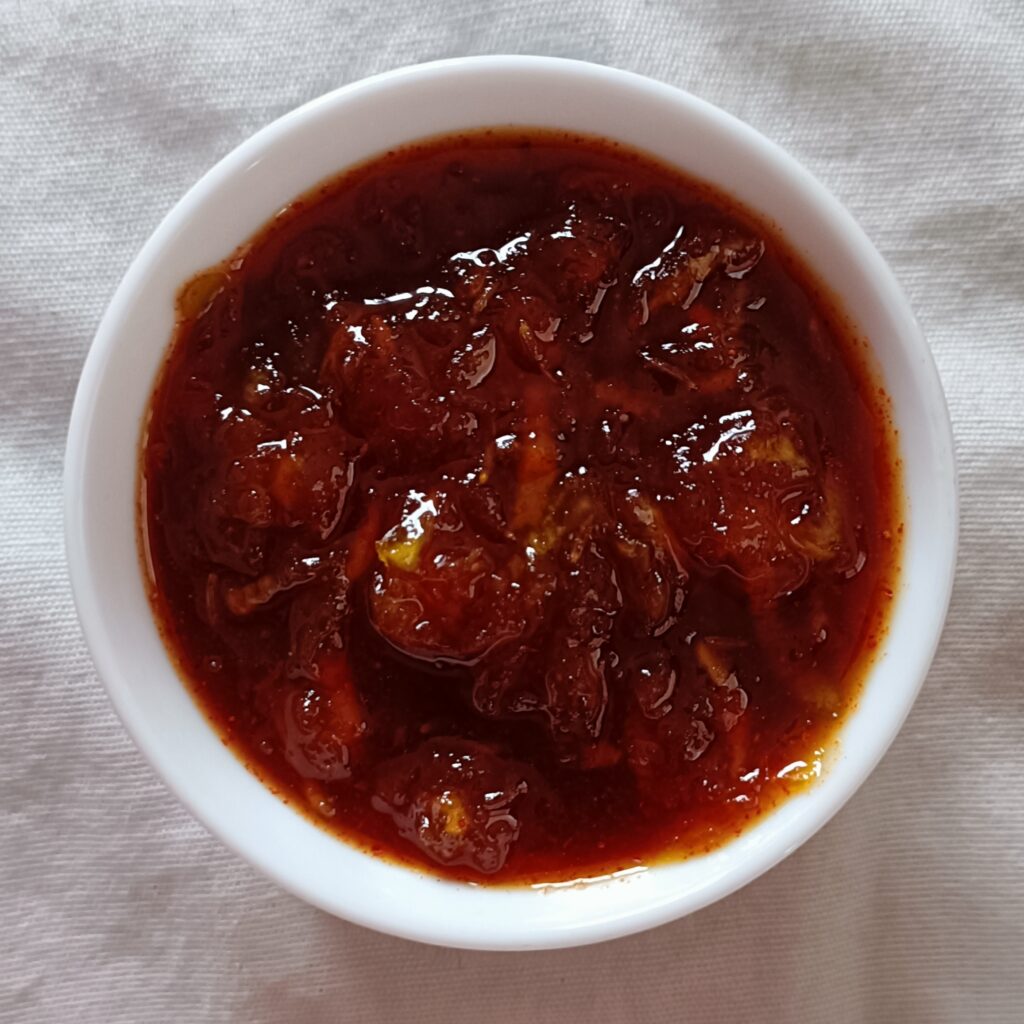
Raw mangoes, also known as green mangoes, are a good source of several essential nutrients. They are particularly rich in Vitamin C, Vitamin A, minerals like potassium, calcium, iron, magnesium, and zinc and smaller amounts of other vitamins and minerals. They also contain carbohydrates in the form of natural sugars and are rich in dietary fibre. Vitamin C is a powerful antioxidant that helps boost the immune system and protect against infections. Vitamin C and other antioxidants in raw mangoes can promote collagen synthesis and improve skin health. Raw mangoes are also a source of antioxidants like mangiferin, which may help protect cells from damage and reduce inflammation in the body. Raw mangoes also contain antioxidants like lutein and zeaxanthin, which are beneficial for eye health. Nutrients like potassium and mangiferin in raw mangoes may contribute to healthy blood pressure and heart function. The fibre in raw mangoes aids in digestion and helps prevent constipation. Raw mangoes are low in calories and fat and rich in fibre, making them a suitable addition to help maintain or reduce unnecessary weight. Almost all fruits, including raw mangoes, have an alkalizing effect and help reduce acidity.
Recipe Credit: Darshana Muzumdar Makes 325 grams Ingredients 250 gms dhania (coriander seeds) 75 gms jeera (cumin seeds) Method Important Note: the coriander seeds should
Potatoes are rich in carbohydrates and fibre and so very satiating. They have a wonderful variety of nutrients including proteins and have been used as an important ingredient in areas where people lack food and nutrition. Most of the nutrition is contained in the skin so keep it on to ensure you get the most benefit out of them. Moreover, the skin is also alkaline in nature helping keep the pH level in your body in a better condition. Apart from the fibre, especially in the skin, potatoes contain vitamins C and B6, niacin and folate, and minerals like potassium, manganese, magnesium and phosphorous, all of which help in maintaining sugar levels. They also contain compounds like flavonoids, carotenoids and phenolic acids, which are antioxidants that help to fight free radicals that can lead to lifestyle diseases. With all these benefits all we need to be careful about is not to add oil to our potato dishes as that ruins all the goodness that potatoes can give us.
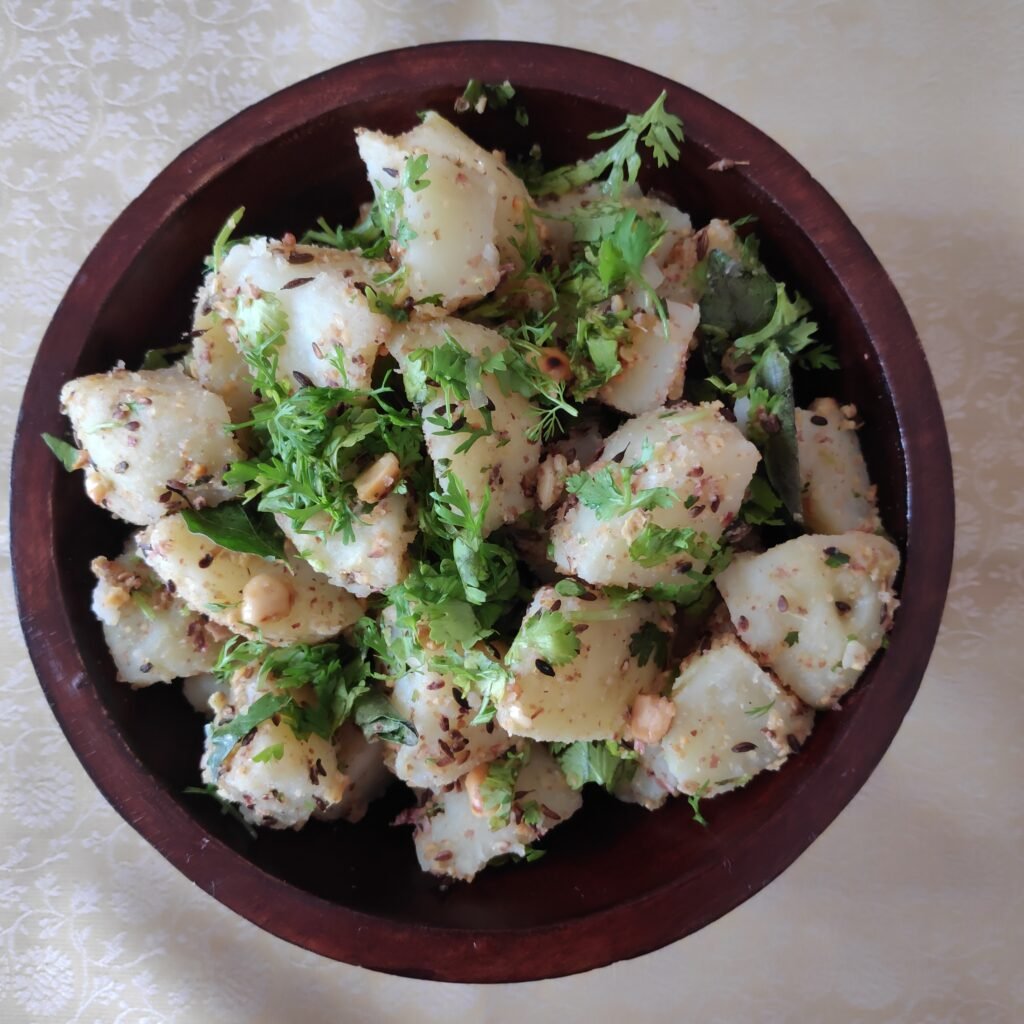
Potatoes are a versatile root vegetable and a staple food in many households and are packed with a variety of nutrients. Most of the nutrients are just below the skin so they’re better if cooked and consumed with the skin. Keeping the skin on not only ensures you receive the maximum amount of nutrients from the potato but the skins are also alkaline in nature and so aid in the healing process of the body.
Potatoes are rich in compounds like flavonoids, carotenoids and phenolic acids, which are antioxidants and help to neutralize potentially harmful molecules known as free radicals. When free radicals accumulate, they can increase the risk of chronic diseases like heart disease, diabetes and cancer. Colored potatoes like purple potatoes (not very common in India) can have three to four times more antioxidants than white potatoes. However, potatoes when fried or cooked with a lot of oil are pretty unhealthy, so it’s best to avoid French fries or fried potato dishes.

Curry leaves contain compounds that function as antioxidants that play an essential role in keeping your body healthy and free from disease. Antioxidants remove potentially harmful free radicals and suppress oxidative stress, a condition that’s associated with chronic disease development. They may help improve the fighting power of the body against cancer cells, as well as reduce the risk of getting heart disease and help improve the condition of the brain and its neurological system. Most importantly, it is said to be great for the growth of hair and to prevent graying. 🙂
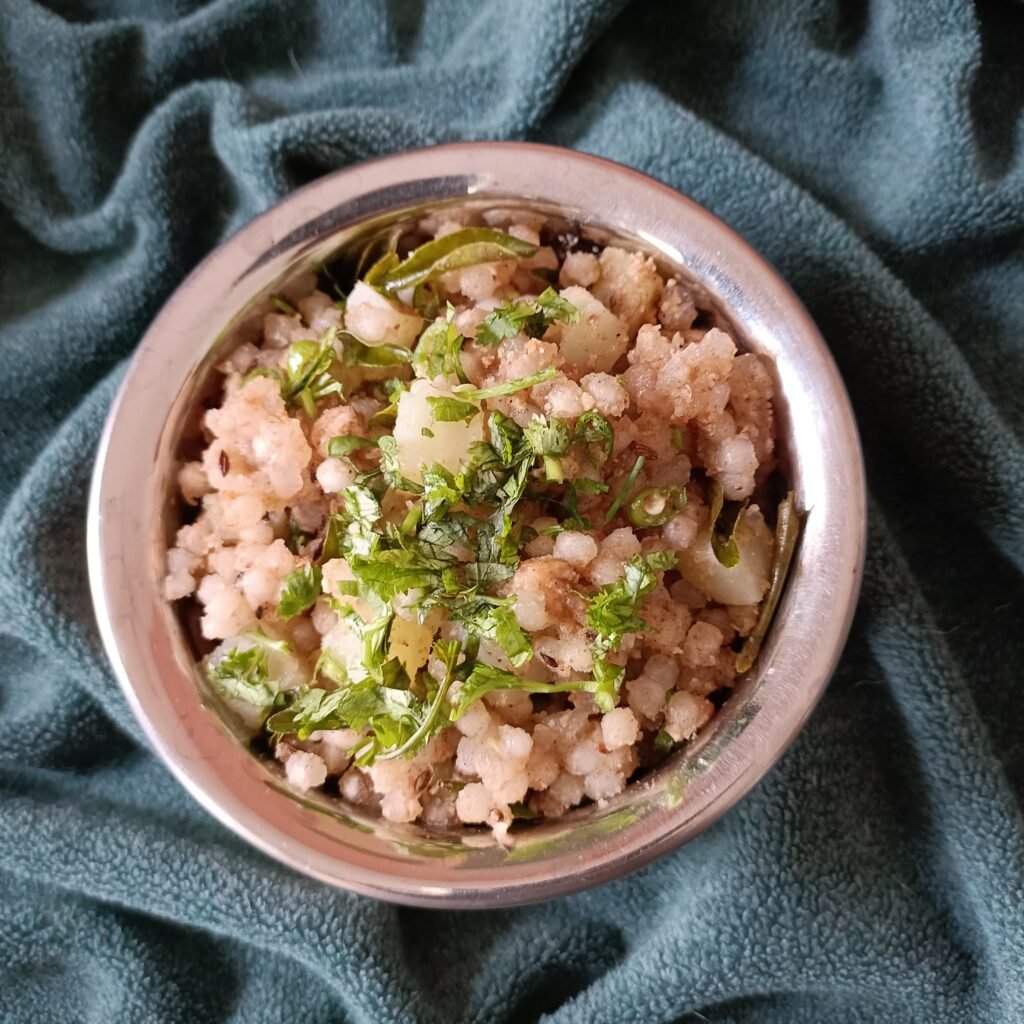
Sabudana is high in both calories and carbohydrates and is therefore an excellent source of quick energy. It’s great before a workout because it’s a wonderful source of energy and after a heavy workout as it delays fatigue. It is said to improve endurance too. Just make sure it isn’t made in a lot of oil. Because it is gluten free, it is good for people with Celiac disease as it doesn’t cause any discomfort like bloating, diarrhoea or stomach pain. In fact, the dietary fibre it contains helps digestion. It can help weight gain in a healthy manner if eaten in larger quantities. The high content of potassium in it may help improve heart health by flushing out sodium thus lowering blood pressure. As a great source of calcium, it is fed to babies over a year old to develop stronger bones and may also help prevent osteoporosis.
Peanuts are packed with healthy fat, high-quality protein, and potassium, phosphorous, magnesium, and B vitamins. Peanut skins also contain antioxidants. Peanuts are best eaten raw and not roasted.
Potatoes are rich in compounds like flavonoids, carotenoids and phenolic acids, which are antioxidants and help to neutralize potentially harmful molecules known as free radicals. Potato skins are alkaline in nature so it’s best to leave them on.
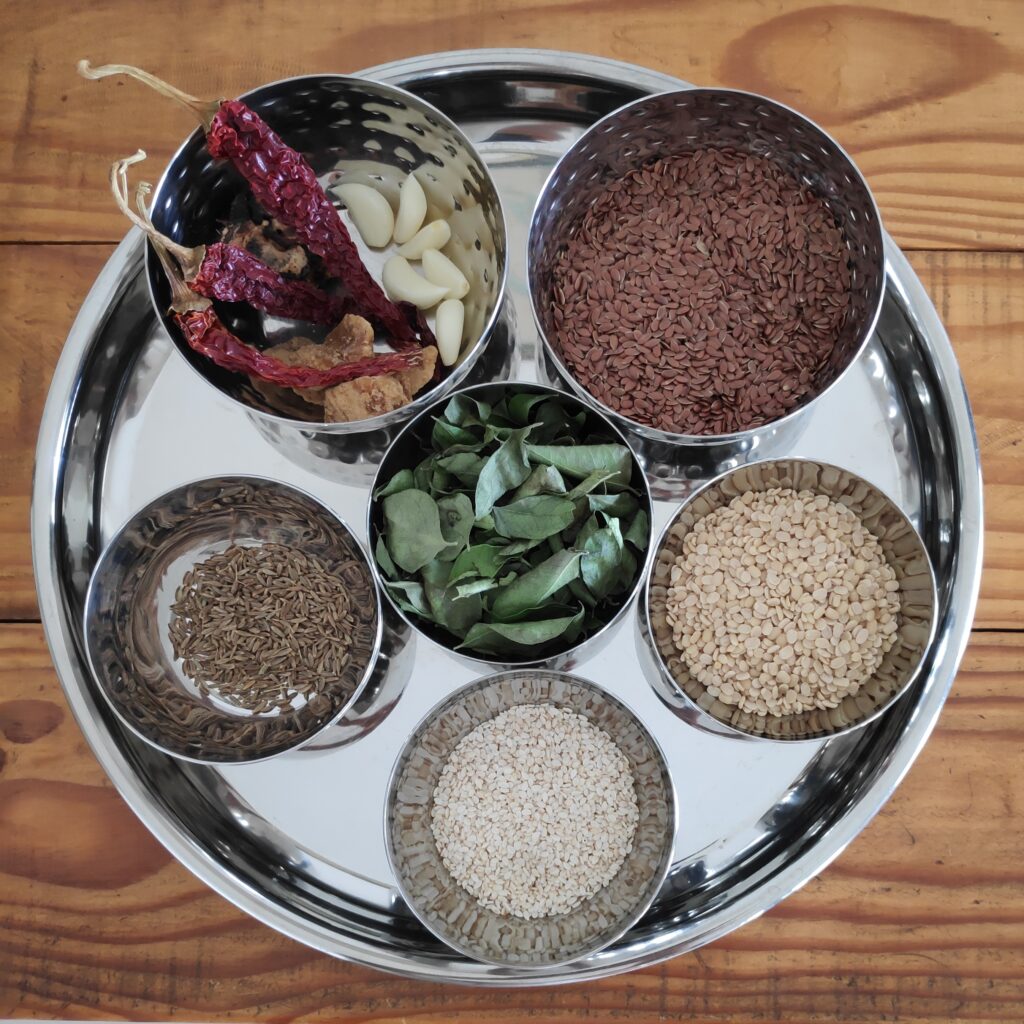
Flax seeds are tiny powerhouses of nutrition well known for their high content of omega-3 fatty acid alpha-linolenic acid (ALA), an essential fatty acid which means that your body cannot produce it and so you need to obtain it from the food you eat. It is important to grind the seeds before eating them as the oil is locked up inside the fibrous structure of the seed and it cannot be released when eaten whole.
Flax seeds also have high amounts of protein as well as soluble and insoluble fiber. Soluble fiber helps regulate blood sugar and cholesterol levels. It also promotes digestive health by feeding your beneficial gut bacteria. When mixed with water this soluble fiber becomes very thick and combined with the insoluble fiber content, flax seeds become a natural laxative, promoting good bowel movement, preventing constipation, and reducing your risk of diabetes. It’s recommended to drink plenty of water when eating these seeds because of their high fiber content. For people who are not used to eating a lot of fiber, incorporating flax seeds too quickly can cause mild digestive problems. These include bloating, gas, abdominal pain, and nausea. Chutneys are a great way to avoiding these problems as they are eaten along with a lot of other vegetables and pulses in our traditional Indian meals.