Translate to your native language

Mode aleli Chawli chi Bhaji with Coconut and Onion (Sprouted Black-eyed Beans Curry with Coconut and Onion)

The coconut masala in this dish adds fiber and fat keeping you satiated for a long time. Sprouted beans are more nutritious and they require much less cooking time. Sprouts are rich in digestible energy, vitamins, minerals, amino acids, proteins, and phytochemicals, as these are necessary for a germinating plant to grow and are also essential to human health. Sprouting breaks down complex compounds into a simpler form which is why sprouts are also called pre-digested foods. Sprouts provide a good supply of Vitamins A, E & C plus B complex which help in digestion and the release of energy. They are also essential for the healing and repair of cells. However, vitamins are very perishable and so fresh sprouts have a higher vitamin content. Some sprouts can yield vitamin contents 30 times higher than the dry bean.

Read More »

Mode Aleli Chawli Chi Bhaji with Onion and Tomato (Sprouted Black Eyed Peas Curry with Onion and Tomato)

Sprouted beans are more nutritious and they require much less cooking time. Sprouts are rich in digestible energy, vitamins, minerals, amino acids, proteins, and phytochemicals, as these are necessary for a germinating plant to grow and are also essential to human health. Sprouting breaks down complex compounds into a simpler form which is why sprouts are also called pre-digested foods. Sprouts provide a good supply of Vitamins A, E & C plus B complex which help in digestion and the release of energy. They are also essential for the healing and repair of cells. However, vitamins are very perishable and so fresh sprouts have a higher vitamin content. Some sprouts can yield vitamin contents 30 times higher than the dry bean.

Read More »

Shepuchi Bhaaji with Mugachi Dal (Dill Leaves Bhaaji with Moong Dal)

This traditional dish is still very popular in Maharashtra and is eaten very often by people from the low income group. This is a nourishing dish because it contains both a leafy vegetable and a pulse, making it an almost complete dish nutritionally. Coming from the celery (Apiaceae) family, it is known as Shepu in Marathi, Suva Bhaji in Hindi, Sathakuppai in Tamil and Sowa in Bengali. Both dill leaves and moong dal are rich in nutrients and help regulate many body functions.

Read More »

Rajma Punjabi style-1 (Kidney Beans)

Rajma beans are an inexpensive and versatile component of a healthy diet. It is a healthy legume that boosts protein and fibre intake without adding too many calories. About 100 grams of boiled kidney beans will have almost 9 grams of protein. Among legumes, rajma has the richest plant-based protein source. The high content of fiber in kidney beans and the amount of resistant starch helps greatly in weight management and regular consumption of rajma moderates blood sugar levels and promotes colon health. Rajma or kidney beans are high in calcium carbohydrates and have a low glycemic index, which has a beneficial effect on blood sugar balance than any other high-carb foods. Rajma is also rich in folate, iron, potassium, manganese and Vit K. The vitamin B1 in rajma improves cognitive functions and aids the functioning of the brain by enhancing concentration and memory.

Read More »

Lobia Curry Punjabi Style -1 (Chawli beans/Black eyed peas)

Lobia promotes digestive health as they are a great source of soluble fiber which helps promote regularity and increase stool frequency in those with constipation. The fiber can also help prevent digestive disorders, such as acid reflux, hemorrhoids, and stomach ulcers. The soluble fiber present in lobia can also act as a prebiotic, stimulating the growth of the beneficial bacteria in the gut to help foster a healthy microbiome, which not only support digestive health but also help to reduce inflammation, enhance immune function, and reduce cholesterol levels.

Read More »

Chawli Curry (Black Eyed Beans Curry)

Chawli beans are often considered a staple in Indian cuisine and are cooked in various forms. They are incredibly nutrient-dense, packing plenty of fiber and protein into each serving and are also a good source of several important micronutrients, including folate, copper, thiamine, and iron. Moreover, chawli beans are high in polyphenols, which are compounds that act as antioxidants in the body to prevent cell damage and protect against disease. The soluble fiber in chawli beans forms a gel-like consistency and moves through the digestive tract slowly keeping you feeling full between meals and is said to help control belly fat and keep obesity at bay.

Read More »

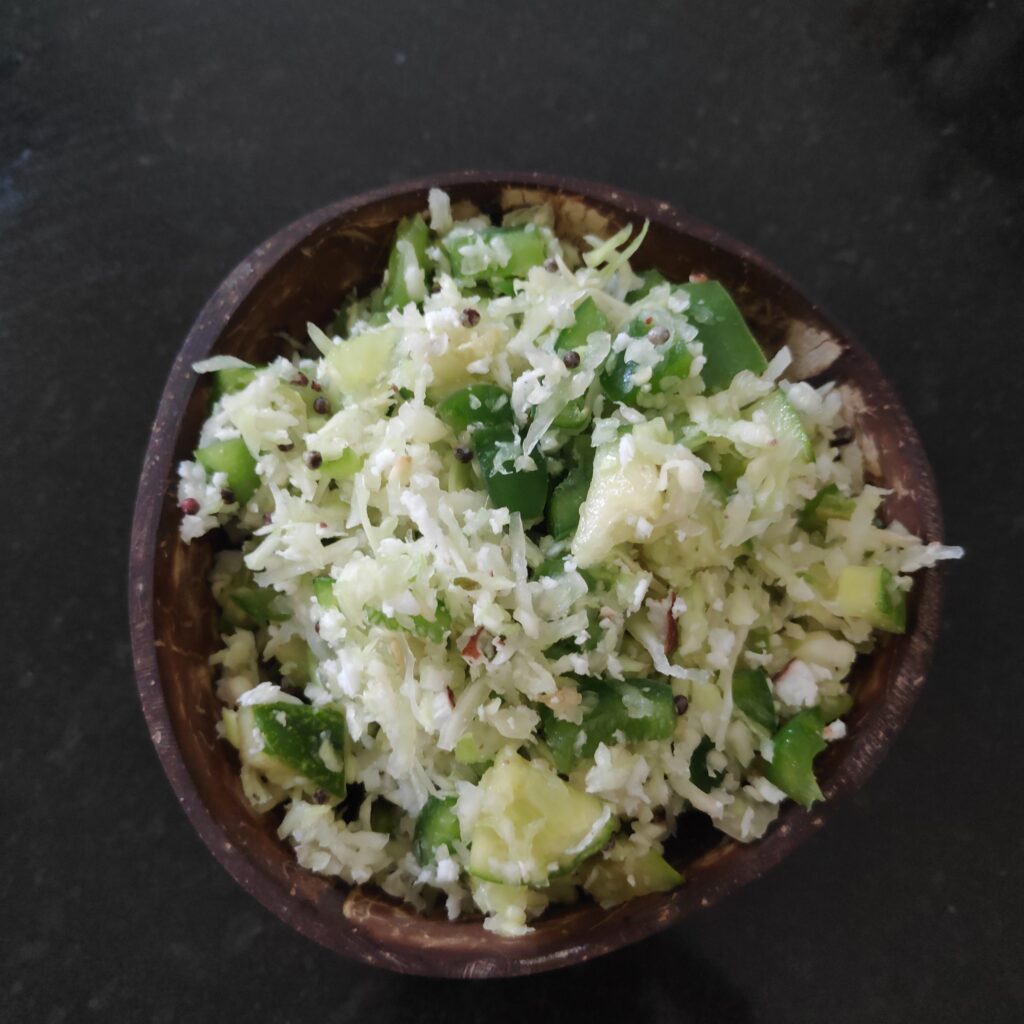
Gobi Shimla Mirch Kachumber

Cabbage is a vegetable that has been grown and eaten around the world for centuries and very affordable. It’s a nutritious cruciferous vegetable that is eaten uncooked in salads and cooked in a variety of dishes ranging from mains to accompaniments. It’s rich in vitamins, minerals and fiber while low in calories so is a great ingredient to maintain a healthy weight. This cruciferous vegetable is especially high in vitamin C and other antioxidants that may protect against heart disease, certain cancers and vision loss and reduce chronic inflammation. Moreover, vitamin C helps the body absorb non-heme iron that is found in plant foods. The potassium and calcium contained in this vegetable is a great source to regulate blood pressure and help in building strong bones. It is also rich in soluble fiber, which has been shown to increase the number of beneficial bacteria in the gut and helps add bulk to stools that promotes regular bowel movements.

Read More »

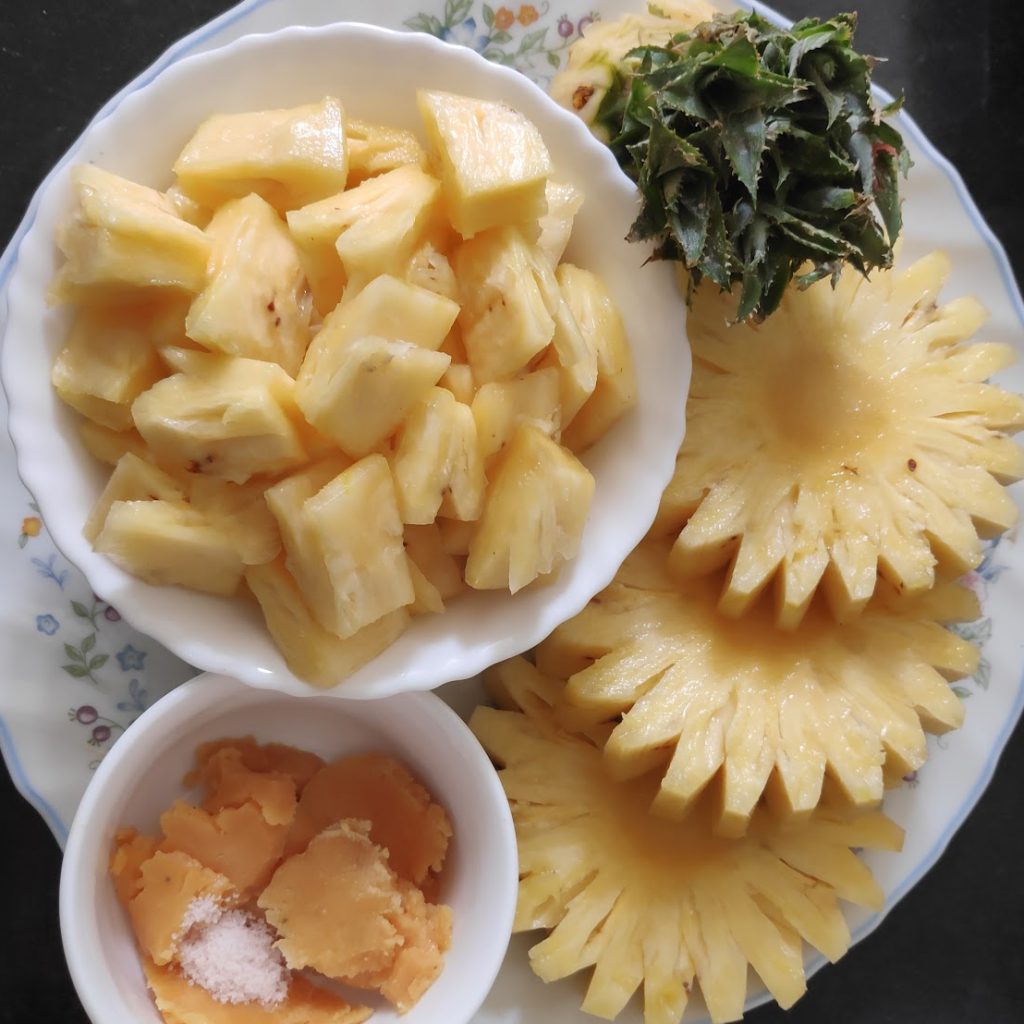
Pineapple Sasam Raita

Pineapple is a versatile fruit and though not easy to cut, it is delicious. The sweet and sour taste of the pineapple combined with coconut and spices is refreshingly different. This salad is best had fresh.

Read More »

Sarson Ka Saag (Spicy Mustard Greens Vegetable)

Sarson or mustard greens have a strong bitter, spicy flavor that is distinctive and makes it so special. They are low in calories and high in nutrients including many health-boosting antioxidants like flavonoids, beta carotene, lutein, and vitamins C and E that fight free radicals (unstable molecules) that can damage your cells. It is for this reason that sarson leaves can protect your skin and lower risk factors of diabetes. Both raw and cooked mustard greens are a phenomenal source of vitamin K, which is best known for its vital role in helping with blood clotting. It’s also been shown to be essential for heart and bone health. The greens are also a great source of several B vitamins, including thiamine (B1,) niacin (B3,) and pyridoxine (B6.)

Read More »

Shepuchi Bhaji with Channa Dal (Dill Leaves Bhaaji with Bengal Gram)

A lot of Indians cook a pulse and a vegetable together making the dish more nutritious, delicious, and filling. Channa dal is great to combine with dill leaves, fenugreek leaves, cabbage, capsicum, and bottle gourd, snake gourd, ridge gourd, etc. either in a dry vegetable or curry form. Dill leaves are rich in a variety of nutrients including Vitamin A, C, D, riboflavin, manganese, folate, iron, copper, potassium, magnesium, zinc and dietary fibres. These nutrients and antioxidants, not only protect the cells against free radical damage but also promote healthy vision, augment skin, boost immune functions, treat digestive anomalies, remedy sleep problems, fortify bone health, relieve respiratory infections, regulate hormonal balance, and enhance reproductive health.

Read More »
Shopping Basket