Translate to your native language

Mode Aleli Chawli Chi Bhaji with Onion and Tomato (Sprouted Black Eyed Peas Curry with Onion and Tomato)

Sprouted beans are more nutritious and they require much less cooking time. Sprouts are rich in digestible energy, vitamins, minerals, amino acids, proteins, and phytochemicals, as these are necessary for a germinating plant to grow and are also essential to human health. Sprouting breaks down complex compounds into a simpler form which is why sprouts are also called pre-digested foods. Sprouts provide a good supply of Vitamins A, E & C plus B complex which help in digestion and the release of energy. They are also essential for the healing and repair of cells. However, vitamins are very perishable and so fresh sprouts have a higher vitamin content. Some sprouts can yield vitamin contents 30 times higher than the dry bean.

Read More »

Shepuchi Bhaaji with Mugachi Dal (Dill Leaves Bhaaji with Moong Dal)

This traditional dish is still very popular in Maharashtra and is eaten very often by people from the low income group. This is a nourishing dish because it contains both a leafy vegetable and a pulse, making it an almost complete dish nutritionally. Coming from the celery (Apiaceae) family, it is known as Shepu in Marathi, Suva Bhaji in Hindi, Sathakuppai in Tamil and Sowa in Bengali. Both dill leaves and moong dal are rich in nutrients and help regulate many body functions.

Read More »

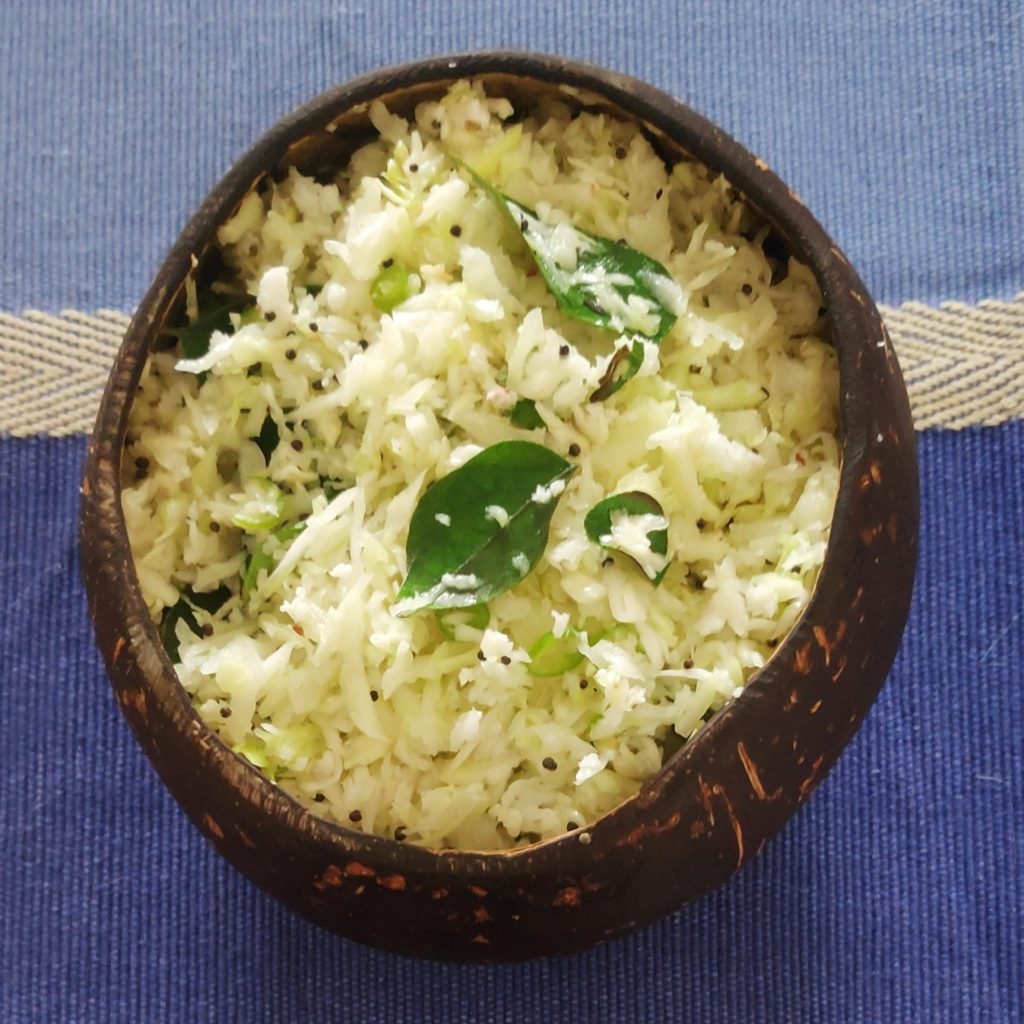
Kobi Chi Koshimbir with Coconut (Cabbage Salad with Coconut)

One-vegetable salads are a common part of Indian meals. Cabbage is a cruciferous vegetable rich in vitamins and minerals. It’s a great source of vitamins C, K, A, folate, calcium, iron and potassium. It is also very high in fiber and is a great ingredient to help smooth bowel movement and helps treat constipation especially if eaten raw like in this koshimbir (salad). It has a low glycemic index (GI) keeping you satiated for a long time and is therefore good to maintain sugar levels.

Read More »

Kobi chi Koshimbir with Onion (Cabbage Salad with Onion)

One-vegetable salads are a common part of Indian meals. Cabbage is a cruciferous vegetable rich in vitamins and minerals. It’s a great source of vitamins C, K, A, folate, calcium, iron and potassium. It is also very high in fiber and is a great ingredient to help smooth bowel movement and helps cure constipation if eaten raw like in this koshimbir (salad). It has a low glycemic index (GI) keeping you satiated for a long time and is therefore good to maintain sugar levels.

Read More »

Sweet and Sour Coriander Chutney

Coriander like all leafy greens is rich in chlorophyll, a compound that may help in treating cancerous tumours. It also helps to prevent damage done to genes by harmful aflatoxins. Regular consumption of greens has been shown to increase antioxidants in the body that have immune-boosting, anticancer, anti-inflammatory, and neuroprotective effects as well as protect your skin from aging and sun damage. Coriander can help reduce unpleasant digestive symptoms like bloating and discomfort often experienced by people with IBS, and also help boost appetite. And most important of all it’s a delicious accompaniment to any meal.

Read More »

Sambhar Masala Powder

Sambhar is a very popular curry made using different vegetables along with pigeon peas (tur dal as it is popularly known in India) and flavoured with sambhar powder. The masala flavouring varies according to the region it is made in. Some people add coconut to the masala, others add cumin and yet others add mustard seeds. Each family has their own traditional ingredients, so try making it using different ingredients till you get the one you like most. Both dried red chillies and black pepper in the masala powder give the sambhar the hot spicy flavour. Coconut, majorly used in coastal areas, gives the sambhar a thicker texture as well as a sweeter taste. Here I have shared two popular sambhar masala powder recipes.

Read More »

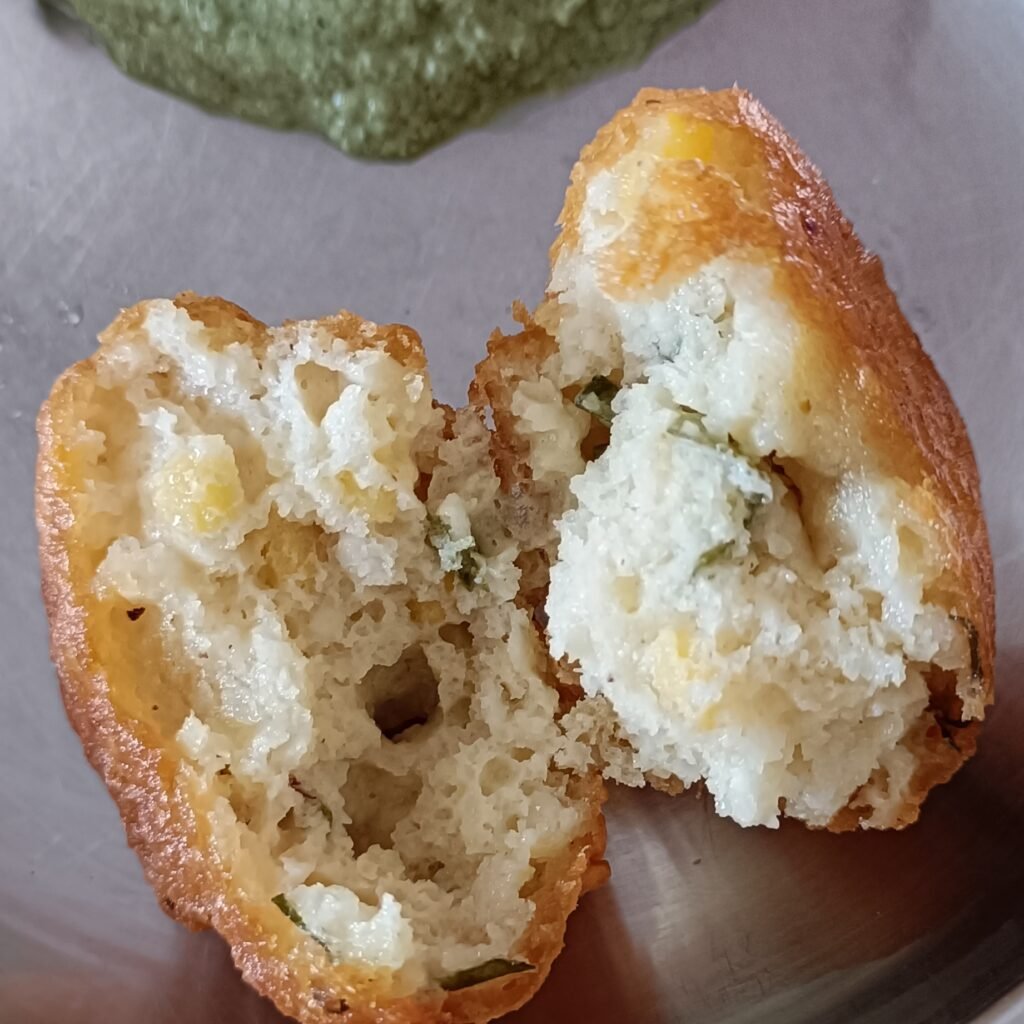
Sardali Vaday

Urad dal is a very common lentil or as we call it a pulse that is found in almost each South Indian home. It is used in the whole or split forms both with and without the black skin on. Urad dal has a good number of amino acids and gets a complete protein profile with all amino acids when combined with a grain like rice. It has a low glycaemic index and because it also contains indigestible fibre it helps in maintaining sugar levels by releasing energy slowly. It is a good source of carbohydrates, iron, calcium and smaller amounts of lipids, all of which may support the growth of bones and help improve heart conditions. Urad dal when eaten with its skin on is a good source of prebiotics as the indigestible skin stimulates the growth of helpful bacteria in the intestine thus improving gut health. Antioxidants such as polyphenols in urad dal may help reduce the impact of free radicals that damage cells thus preventing conditions like cancer, neurodegenerative diseases, and atherosclerosis, and the phenolics, tannins, flavonoids, and phytic acid may help keep the liver and kidney in good order.
Chana is eaten in both the whole and split forms and as besan or the ground form all over India. It is considered to be a great source for muscular health and better immunity as it has 13 grams of protein in every 100 grams. The folate in chana dal may help prevent diseases like stroke, dementia, and depression and the calcium in it can help in preventing osteoporosis and improve bone density. Like urad dal, chana dal has a good amount of fibre and a low glycaemic index making it a good option for maintaining sugar levels and increasing the feeling of satiety faster. The healthy fats in chana have antioxidant properties that may help reduce inflammation. Most importantly, pulses help restore soil fertility by fixing nitrogen in it.

Read More »

Batatyachi Kapa (Spicy Fried Potato Slices)

Potatoes are a root vegetable enjoyed by old and young alike. Potatoes are rich in energy in the form of carbohydrates, contain a considerable amount of protein, vitamins C and B6, niacin and folate, and minerals like potassium, manganese, magnesium and phosphorous, fibre and compounds like flavonoids, carotenoids and phenolic acids, which are antioxidants that help to neutralize potentially harmful molecules known as free radicals. The skin of the potato apart from containing a considerable amount of fibre is not only alkaline in nature but also contains a great amount of the vitamins and minerals, so it’s best to cook and eat potato in its whole form. However, potatoes when fried or cooked with a lot of oil are pretty unhealthy, so it’s best to avoid French fries or fried potato dishes like this one unless you can make it with just a few drops of oil.

Read More »

God Polay (Sweet Rice Flour Pancake Rolls)

Many cultures consider rice to be a staple grain because it contains vital carbohydrates that provide the body energy even though it contains less protein than other cereals. Carbohydrates can keep you energized and satisfied and are important for fuelling exercise. Rice, particularly white rice, generally gets digested easily because it is low in fat and fibre, and so it’s better to eat brown or semi-brown rice. Brown rice, especially, is an excellent source of many nutrients, including fibre, manganese, selenium, magnesium, and B vitamins.

Read More »
Shopping Basket