Translate to your native language

Urad Dal and Rice Dosa

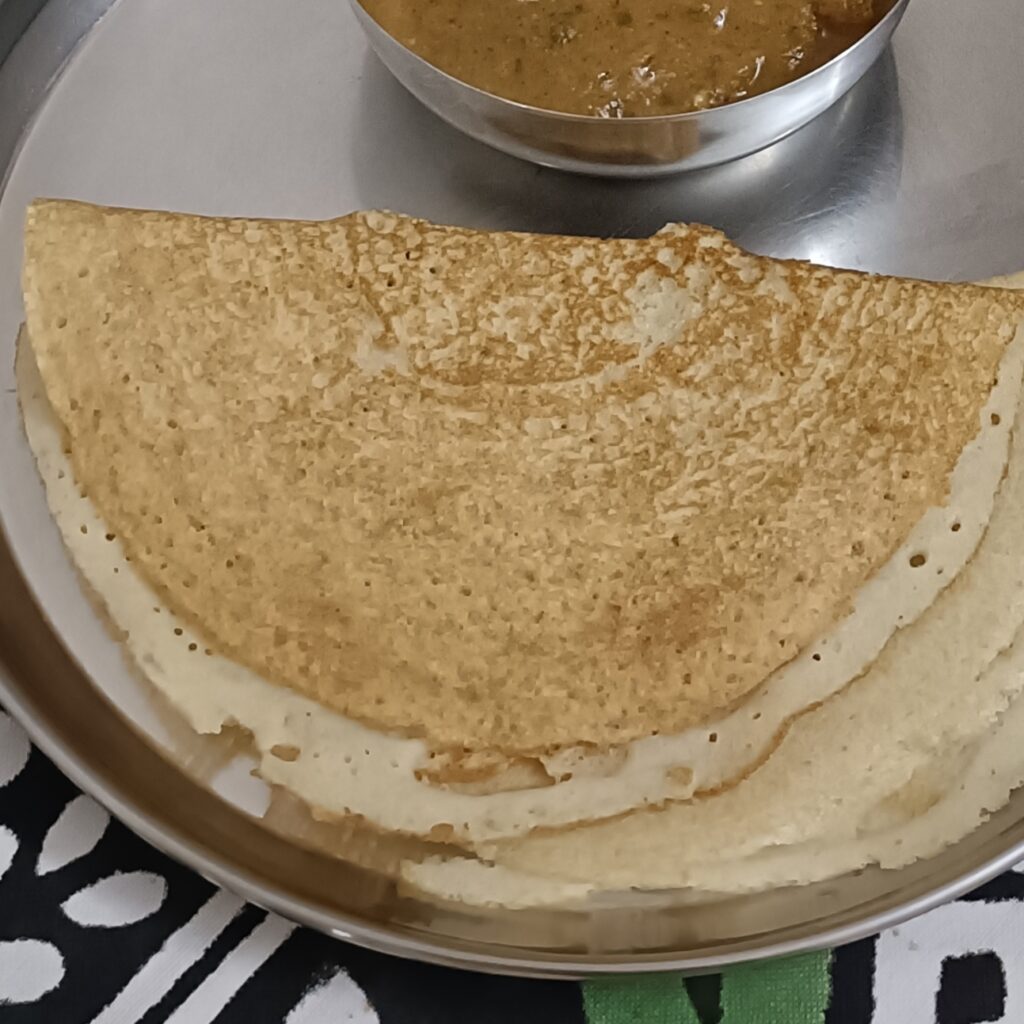
Many cultures consider rice to be a staple grain because it contains vital carbohydrates that provide the body energy even though it contains less protein than other cereals. Carbohydrates can keep you energized and satisfied and are important for fueling exercise. Rice, particularly white rice, generally gets digested easily because it is low in fat and fiber, and so it’s better to eat brown or semi-brown rice. Brown rice, especially, is an excellent source of many nutrients, including fiber, manganese, selenium, magnesium, and B vitamins. Urad dal, also known as black gram, is high in protein, fibre, and minerals. It’s a versatile ingredient that can be used in many dishes. Urad dal is high in protein compared to other legumes and is a good source of both soluble and insoluble fibre. It also contains iron, which can help increase energy levels, calcium, phosphorus, and magnesium, which are vital for strong bones and teeth, potassium, which can help reduce cholesterol levels and improve heart health, and zinc as well as niacin, thiamine, riboflavin, and other B vitamins. The antioxidants in urad dal help protect the body against free radicals and strengthen the immune system. Urad dal has a low glycaemic index, making it suitable for maintaining stable blood sugar levels.
Read More »

Gajarachi Koshimbir (Carrot Salad)

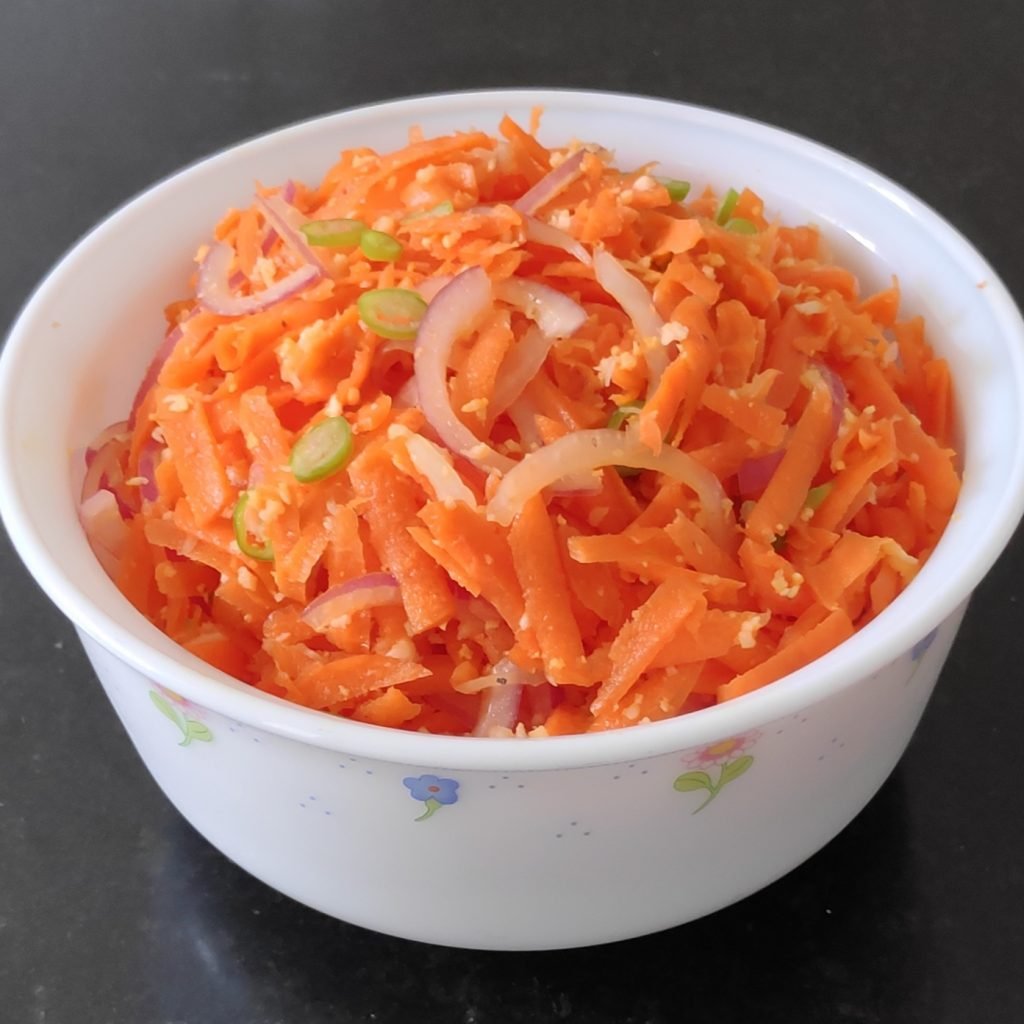
One-vegetable salads are a common part of Indian meals. Carrots are rich in vitamin A and contain high amounts of vitamins C and K. Vitamin A supports eye health, and vitamin C is necessary for the production of collagen, which strengthens skin. They also contain plant compounds called carotenoids, which act as antioxidants. Antioxidants protect your skin from damage by fighting unstable molecules called free radicals (which are responsible for aging.) The potassium and antioxidants in carrots help lower blood pressure and promote heart health. Compounds in carrot juice have even been shown to trigger cancer cell death in some test-tube studies. Apart from all these, as a rich source of vitamins A, B6, and C, carrots help strengthen your immune system.

Read More »

Gopal Kala

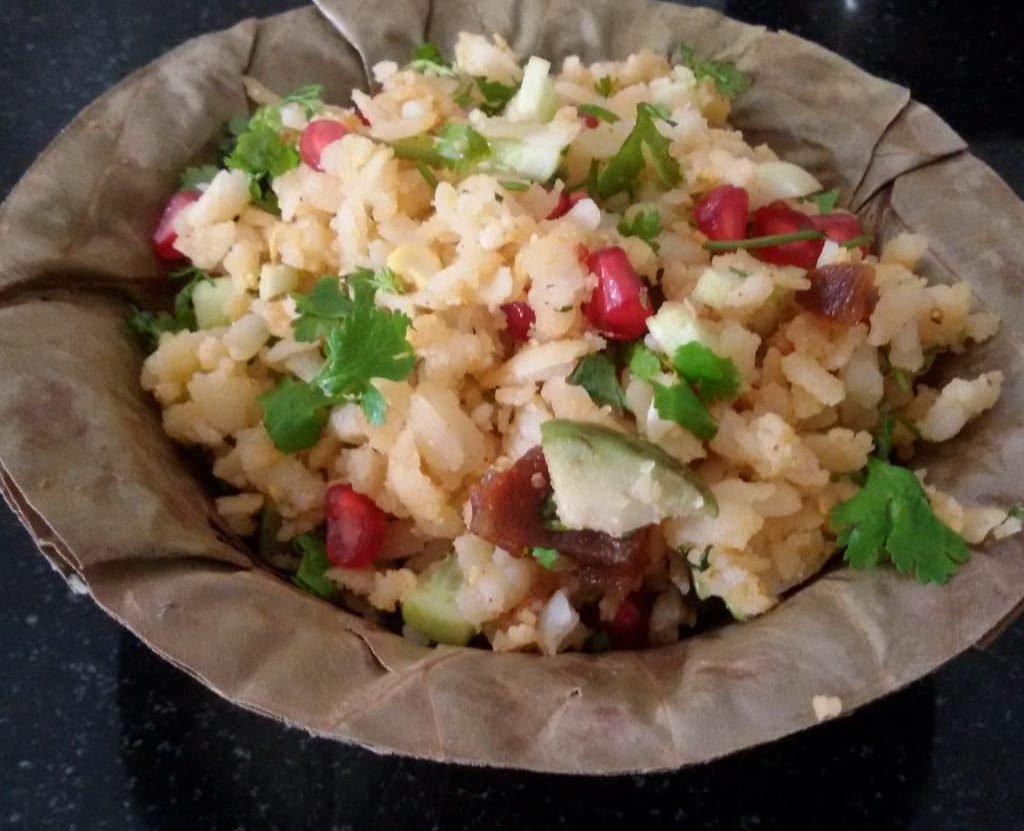
This dish is usually made on Janmashtami and is served as prasad. This is an extremely easy to make dish and you can add any other fruits you wish to. It’s not only delicious but also filling and requires no cooking. It is highly nutritious because of the combination of vitamins in the fruits and carbohydrates in the poha. It is very soothing on the digestive system as well.

Read More »

Kakdi Tomato chi Koshimbir (Cucumber and Tomato Salad)

Cucumbers are low in calories but high in many important vitamins and minerals and are a refreshing, nutritious and incredibly versatile addition to any meal. To maximize their nutrient content, cucumbers should be eaten unpeeled. Cucumbers are great eaten raw as a low-calorie snack. They contain antioxidants, including flavonoids and tannins, which prevent the accumulation of harmful free radicals and may reduce the risk of chronic disease. The large amount of water in cucumbers can help keep you hydrated, and the fiber content in them helps prevent constipation and regulate bowel movement. They are also good for bone health because of the Vit K in them. The lignans in them may help prevent osteoporosis, heart disease, and some cancers.

Read More »

Pineapple Sasam Raita

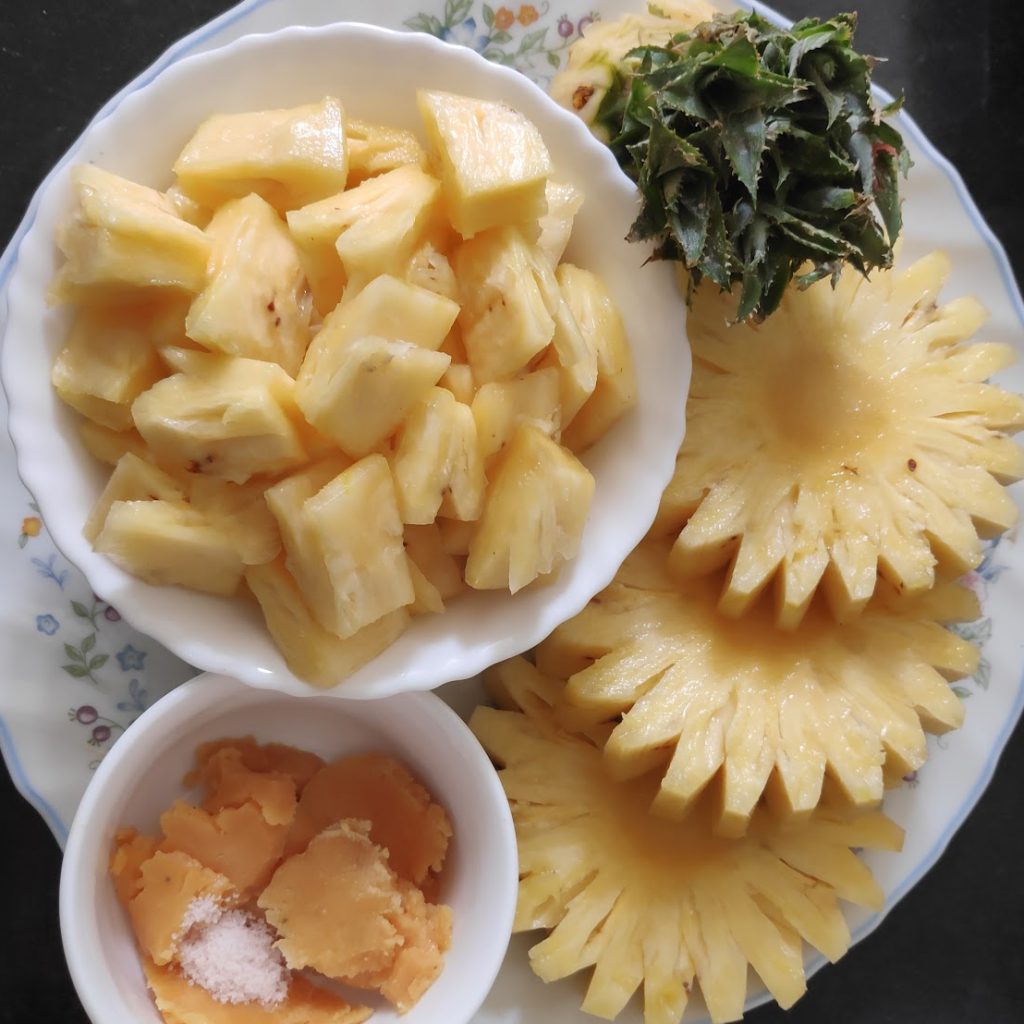
Pineapple is a versatile fruit and though not easy to cut, it is delicious. The sweet and sour taste of the pineapple combined with coconut and spices is refreshingly different. This salad is best had fresh.

Read More »

Mango Sasav Raita

Mangoes are a great source of various nutrients, including vitamins A and C, folate, fiber, and copper. They are also relatively low in calories and fat. The body converts the beta-carotene in mangoes into vitamin A, which may help improve vision, skin health, and immune function. Vitamin C is a great antioxidant that may help reduce the rate of aging. The folate (a B vitamin) in mangoes assists cell growth and development, particularly during pregnancy. Mangoes also contain copper, a mineral that plays a role in energy production, nerve function, and immune health. The most ignored component in our nutrition is fibre which is very important for digestion and bowel movement. It also helps regulate blood sugar so is great for diabetics and mangoes are a good source of this dietary fiber. Coconut is high in fat and calories while moderate in carbs and protein. Most of the fats are medium-chain triglycerides (MCTs), which are absorbed intact in the small intestine and used by the body to produce energy. It’s the high content of manganese in coconut that not only supports enzyme function but also fat metabolism. The copper in coconut helps bone formation and heart health. Apart from manganese and copper, coconut is also rich in other minerals like selenium, phosphorus, potassium, and iron. Coconut contains a very high amount of insoluble fibre that doesn’t get digested but works to move food through the digestive system and helps bowel health.

Read More »

Sarson Ka Saag (Spicy Mustard Greens Vegetable)

Sarson or mustard greens have a strong bitter, spicy flavor that is distinctive and makes it so special. They are low in calories and high in nutrients including many health-boosting antioxidants like flavonoids, beta carotene, lutein, and vitamins C and E that fight free radicals (unstable molecules) that can damage your cells. It is for this reason that sarson leaves can protect your skin and lower risk factors of diabetes. Both raw and cooked mustard greens are a phenomenal source of vitamin K, which is best known for its vital role in helping with blood clotting. It’s also been shown to be essential for heart and bone health. The greens are also a great source of several B vitamins, including thiamine (B1,) niacin (B3,) and pyridoxine (B6.)

Read More »

Shepuchi Bhaji with Channa Dal (Dill Leaves Bhaaji with Bengal Gram)

A lot of Indians cook a pulse and a vegetable together making the dish more nutritious, delicious, and filling. Channa dal is great to combine with dill leaves, fenugreek leaves, cabbage, capsicum, and bottle gourd, snake gourd, ridge gourd, etc. either in a dry vegetable or curry form. Dill leaves are rich in a variety of nutrients including Vitamin A, C, D, riboflavin, manganese, folate, iron, copper, potassium, magnesium, zinc and dietary fibres. These nutrients and antioxidants, not only protect the cells against free radical damage but also promote healthy vision, augment skin, boost immune functions, treat digestive anomalies, remedy sleep problems, fortify bone health, relieve respiratory infections, regulate hormonal balance, and enhance reproductive health.

Read More »
Shopping Basket