Translate to your native language

Coriander Leaf Chutney with Ginger-Garlic

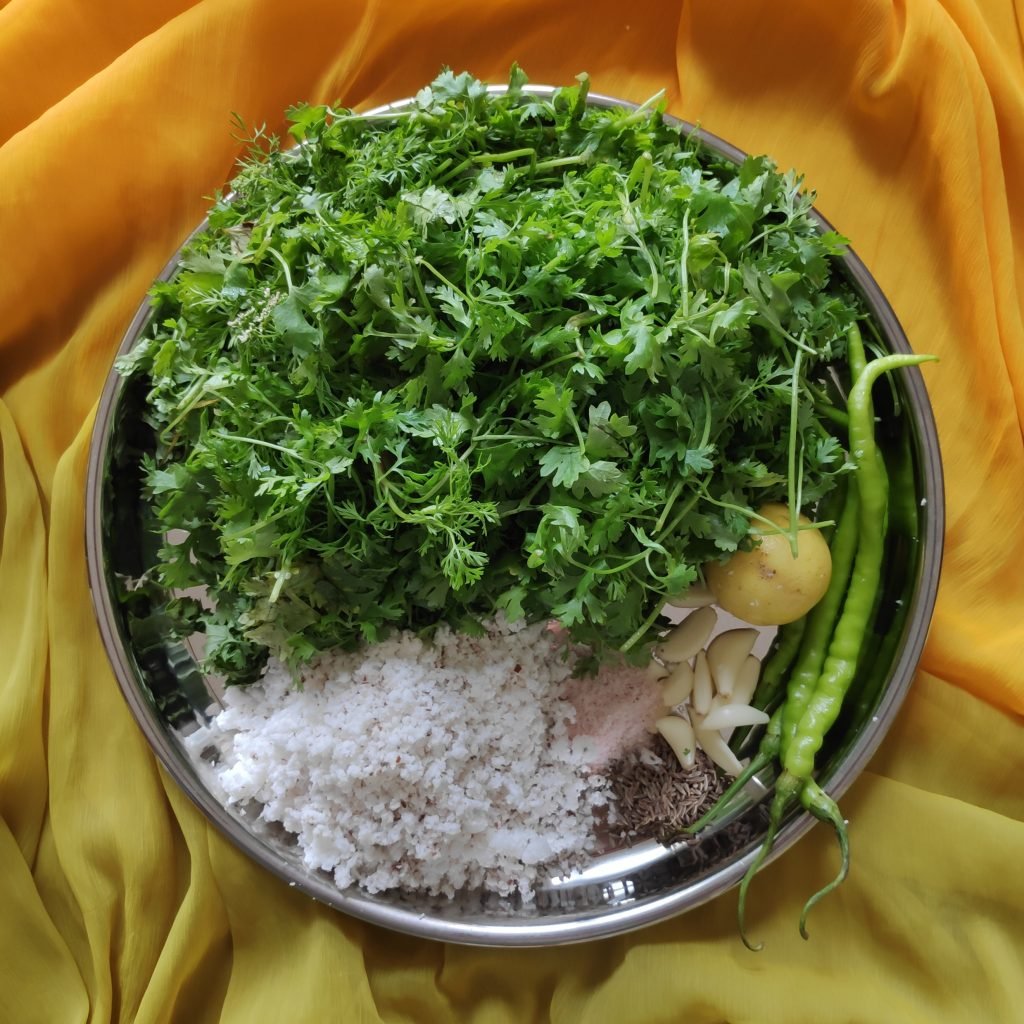
Coriander chutney is a very versatile dish and is a great accompaniment to spice up any Indian meal. It’s high content of chlorophyll makes it a great food to have for good health. The coconut in it has a lot of fiber too and gives a feeling of satiety. Children also love this chutney.

Read More »

Coriander Leaf Chutney with Garlic

This coriander chutney is delicious and filling and very versatile. It can be used as an accompaniment, a dip or a spread. The chutney lasts for a couple of days in the fridge but is bests eaten fresh. It can also be frozen for up to a couple of weeks.

Read More »

Rajma Punjabi style-1 (Kidney Beans)

Rajma beans are an inexpensive and versatile component of a healthy diet. It is a healthy legume that boosts protein and fibre intake without adding too many calories. About 100 grams of boiled kidney beans will have almost 9 grams of protein. Among legumes, rajma has the richest plant-based protein source. The high content of fiber in kidney beans and the amount of resistant starch helps greatly in weight management and regular consumption of rajma moderates blood sugar levels and promotes colon health. Rajma or kidney beans are high in calcium carbohydrates and have a low glycemic index, which has a beneficial effect on blood sugar balance than any other high-carb foods. Rajma is also rich in folate, iron, potassium, manganese and Vit K. The vitamin B1 in rajma improves cognitive functions and aids the functioning of the brain by enhancing concentration and memory.

Read More »

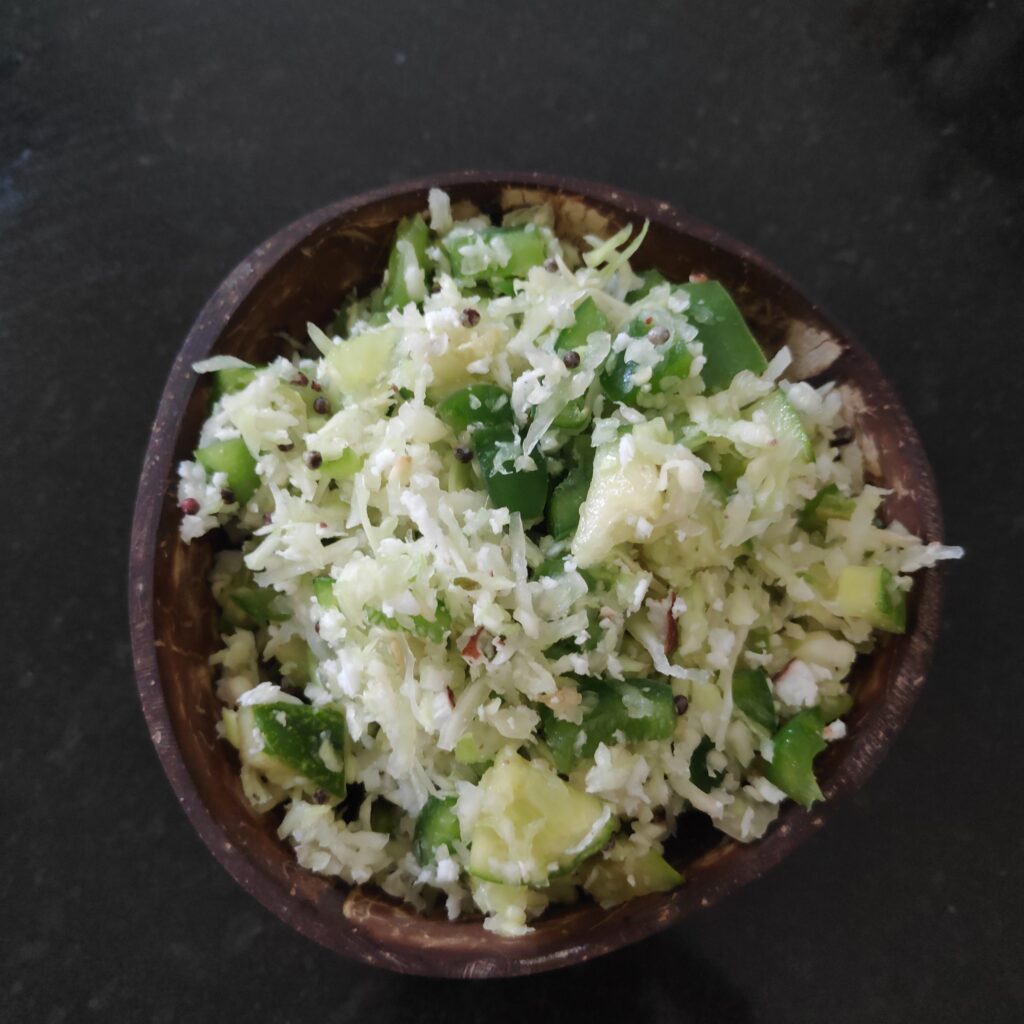
Gobi Shimla Mirch Kachumber

Cabbage is a vegetable that has been grown and eaten around the world for centuries and very affordable. It’s a nutritious cruciferous vegetable that is eaten uncooked in salads and cooked in a variety of dishes ranging from mains to accompaniments. It’s rich in vitamins, minerals and fiber while low in calories so is a great ingredient to maintain a healthy weight. This cruciferous vegetable is especially high in vitamin C and other antioxidants that may protect against heart disease, certain cancers and vision loss and reduce chronic inflammation. Moreover, vitamin C helps the body absorb non-heme iron that is found in plant foods. The potassium and calcium contained in this vegetable is a great source to regulate blood pressure and help in building strong bones. It is also rich in soluble fiber, which has been shown to increase the number of beneficial bacteria in the gut and helps add bulk to stools that promotes regular bowel movements.

Read More »

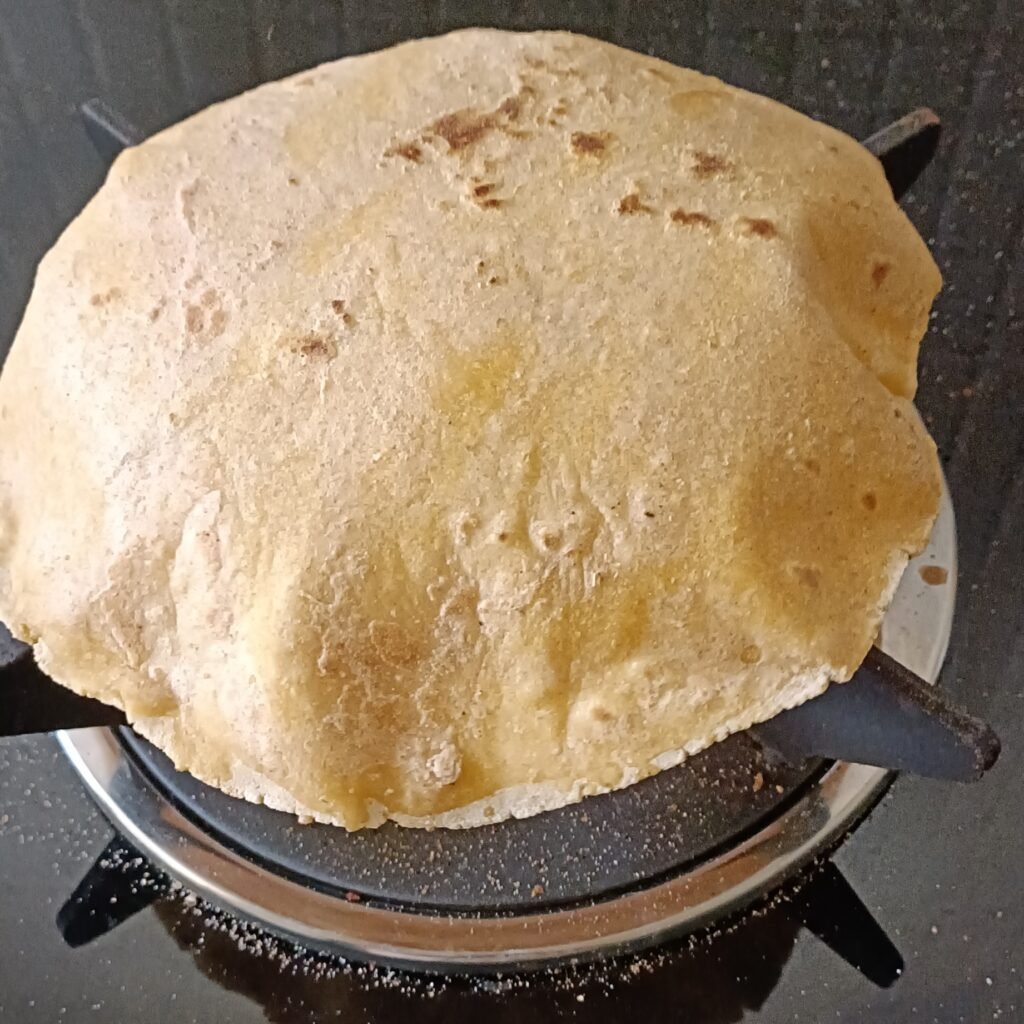
Makai Ki Roti (Maize Flour Flat Bread)

Corn is one of the world’s most popular cereal grains from the grass family with many benefits and is available almost everywhere because it can grow in any climatic condition. Whole-grain corn is not only low to medium on the glycemic index, releasing energy slowly, but is also rich in phytochemicals that help to regulate the amount of insulin produced in the body. The high fibre content in corn helps regulate bowel movements and prevent constipation, haemorrhoids. It is considered good for treating diarrhoea and irritable bowel syndrome (IBS), too. The large amount of antioxidants like vitamin E, the phytochemicals and the fibre in corn may help prevent cancers, especially colon cancer. Corn is high in carbohydrates, protein, vitamins and minerals including selenium which is not easily found in other food sources. Magnesium and the optimal combination of fatty acids in corn lets the Omega 3 fatty acids get rid of bad cholesterol and replace them at the binding sites reducing your risk of developing cardiovascular disease by a huge margin. Corn also prevents your arteries from getting clogged and even controls your blood pressure as a result lowering your chances of getting heart attacks and strokes. Magnesium also helps bone density. Phosphorous regulates kidney function, induces normal bone growth and maintains bone health. Thiamine helps improve nerve health and cognitive functions. Niacin can prevent dementia and dermatitis. The high amount of beta-carotene in corn helps generate healthy amounts of vitamin A in the body, helping improve eyesight and skin condition. Corn is extremely rich in iron and can help prevent anemia as well as avoid the symptoms of anemia such as exhaustion, fatigue, weakness, dizziness, and shortness of breath. Corn contains a high number of calories and can help people gain weight if eaten in larger quantities. Note: sweet corn is a low-starch variety with higher sugar content.

Read More »

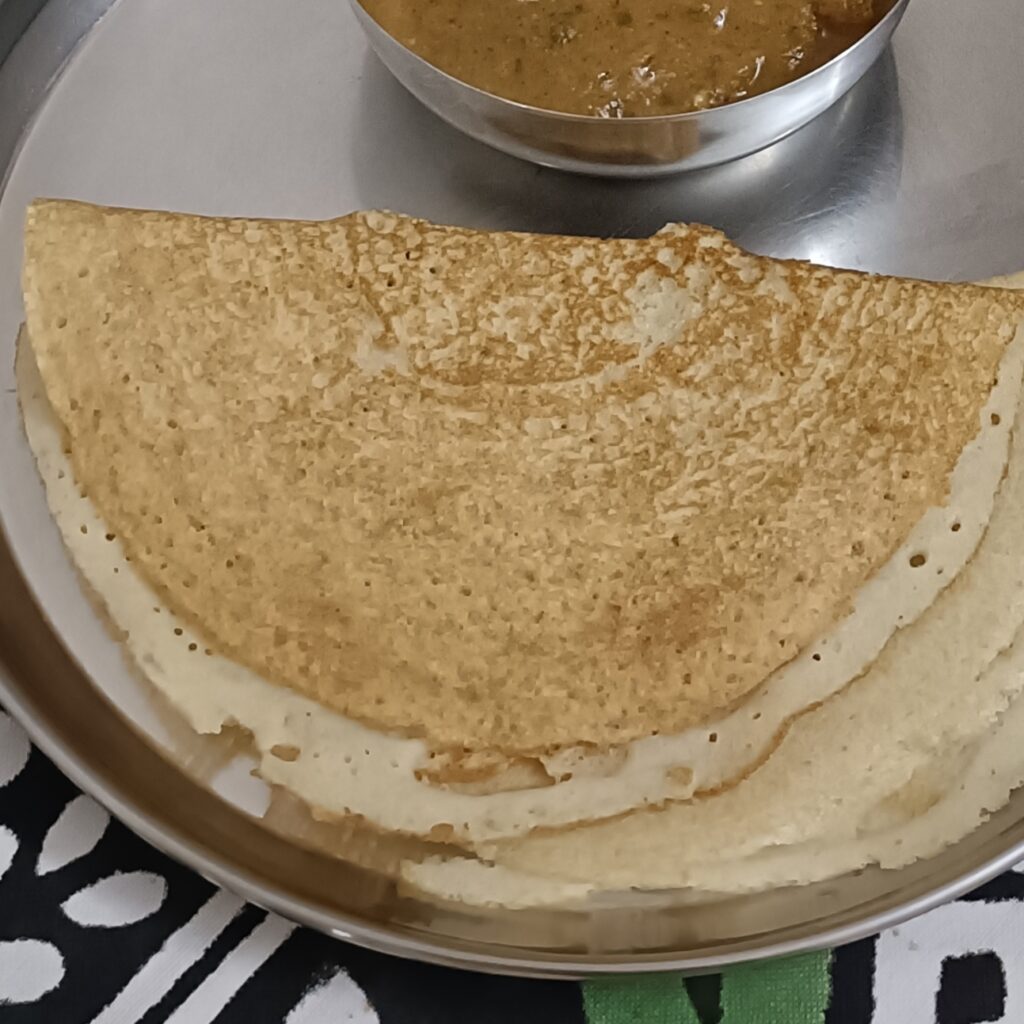
Urad Dal and Rice Dosa

Many cultures consider rice to be a staple grain because it contains vital carbohydrates that provide the body energy even though it contains less protein than other cereals. Carbohydrates can keep you energized and satisfied and are important for fueling exercise. Rice, particularly white rice, generally gets digested easily because it is low in fat and fiber, and so it’s better to eat brown or semi-brown rice. Brown rice, especially, is an excellent source of many nutrients, including fiber, manganese, selenium, magnesium, and B vitamins. Urad dal, also known as black gram, is high in protein, fibre, and minerals. It’s a versatile ingredient that can be used in many dishes. Urad dal is high in protein compared to other legumes and is a good source of both soluble and insoluble fibre. It also contains iron, which can help increase energy levels, calcium, phosphorus, and magnesium, which are vital for strong bones and teeth, potassium, which can help reduce cholesterol levels and improve heart health, and zinc as well as niacin, thiamine, riboflavin, and other B vitamins. The antioxidants in urad dal help protect the body against free radicals and strengthen the immune system. Urad dal has a low glycaemic index, making it suitable for maintaining stable blood sugar levels.

Read More »

Carrot Raita

Carrots are a great snack — crunchy, full of nutrients, low in calories, and sweet. Carrots are rich in antioxidants like beta-carotene and lutein, which protect the body against damage from free radicals and may reduce the risk of chronic diseases by improving the immune system. The body converts beta-carotene to vitamin A, which is essential for good vision and preventing night blindness. It is also important for growth, development, and immune function. Eating fat (coconut in this recipe) with cooked carrots can help you absorb more of the beta-carotene. Vitamin A and antioxidants also contribute to healthy skin. Carrots are rich in carotenoids, which may help protect against several types of cancers like prostate, colon, and stomach cancers, leukemia, and breast cancer in women. Carrots contain potassium, which helps regulate blood pressure, and fiber, which can lower cholesterol levels. Vitamin K and calcium in carrots contribute to strong bones and may help prevent osteoporosis. The fewer calories and fiber in carrots can help with weight management by promoting fullness and satiety and healthy digestion. The insoluble fibers in carrots may reduce your risk of constipation and promote regular bowel movements. The soluble fiber can also help lower blood sugar levels by slowing down your digestion of sugar and starch. Soluble fibre, like pectin, also feeds the friendly bacteria in your gut, which may lead to improved overall health and decreased risk of disease. Moreover, certain soluble fibres impair the absorption of cholesterol from your digestive tract, helping to lower blood cholesterol. Carrots have a low glycemic index, so they are good for diabetics because they prevent a rapid spike in blood sugar.

Read More »

Suran (Yam) Raita

Recipe credit: Darshana Muzumdar Serves 4 people as a part of an Indian meal. Important: Always rub oil on your hands before handling yam even

Read More »

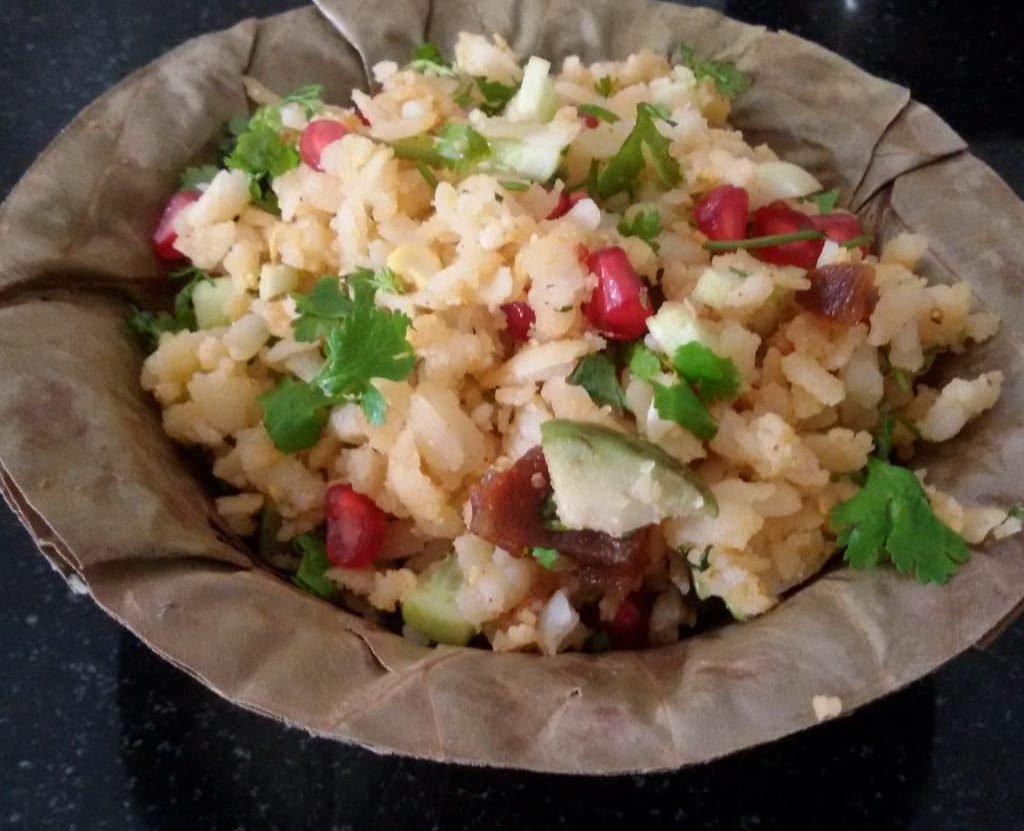
Gopal Kala

This dish is usually made on Janmashtami and is served as prasad. This is an extremely easy to make dish and you can add any other fruits you wish to. It’s not only delicious but also filling and requires no cooking. It is highly nutritious because of the combination of vitamins in the fruits and carbohydrates in the poha. It is very soothing on the digestive system as well.

Read More »

Kakdi Tomato chi Koshimbir (Cucumber and Tomato Salad)

Cucumbers are low in calories but high in many important vitamins and minerals and are a refreshing, nutritious and incredibly versatile addition to any meal. To maximize their nutrient content, cucumbers should be eaten unpeeled. Cucumbers are great eaten raw as a low-calorie snack. They contain antioxidants, including flavonoids and tannins, which prevent the accumulation of harmful free radicals and may reduce the risk of chronic disease. The large amount of water in cucumbers can help keep you hydrated, and the fiber content in them helps prevent constipation and regulate bowel movement. They are also good for bone health because of the Vit K in them. The lignans in them may help prevent osteoporosis, heart disease, and some cancers.

Read More »
Shopping Basket