Translate to your native language

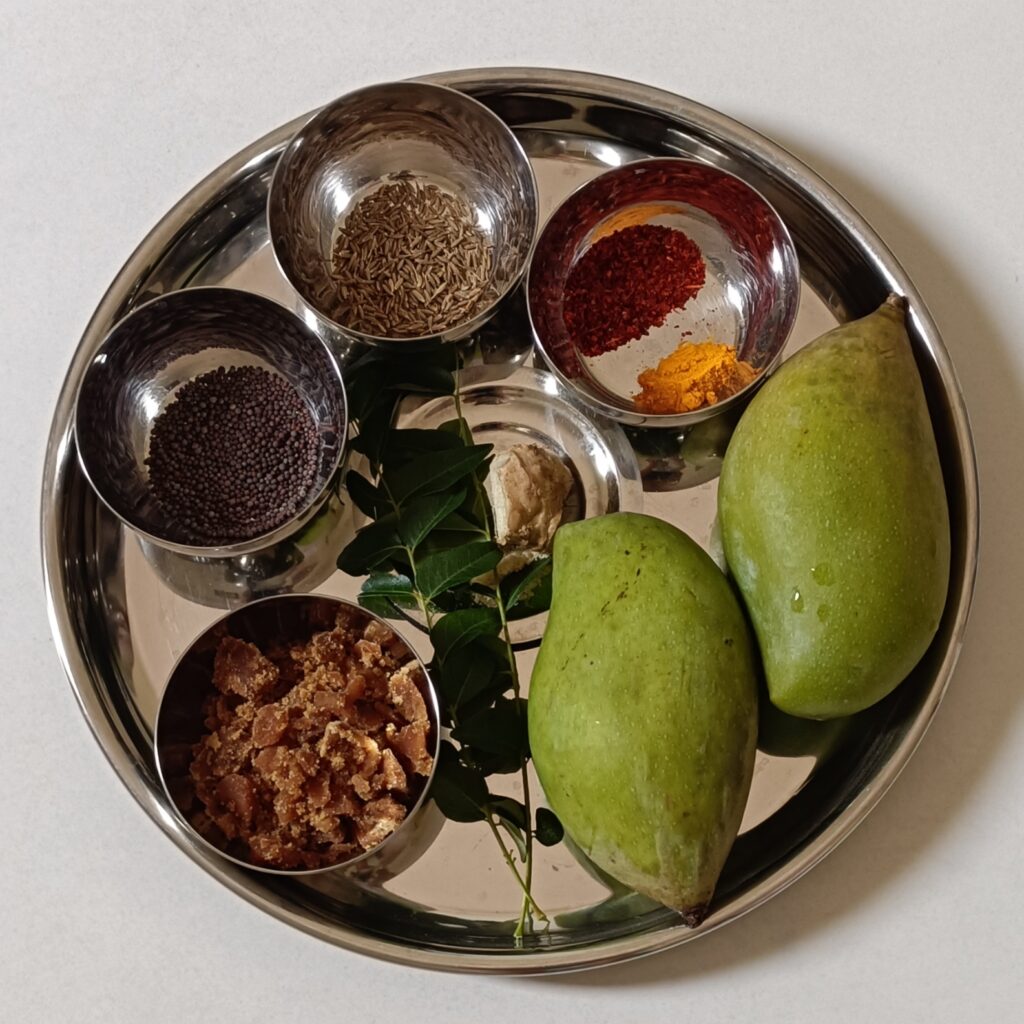
Kairichi Kadhi (Raw Mango Kadhi)

Raw mango is available for almost 5 to 7 months of the year and is a very versatile ingredient. It is used in preserves, chaats, chutneys, main dishes, and beverages. It is high in vitamin C, calcium, magnesium which is useful for releasing toxins from the body. Raw mangoes are also high in niacin, which helps boost cardiovascular health.

Read More »

Upma with Vegetables

Wheat has been used in various forms, especially ground roughly or fine for centuries. Some people find it difficult to digest wheat because of the gluten in it. Wheat is easier to digest when eaten with a lot of vegetables that contain the fibre. Wheat contains relatively high amounts of protein, dietary fiber, carbohydrates and minerals like calcium. It also contains micronutrients like magnesium, phosphorus, potassium and B vitamins. Wheat kernels have three parts: the bran (outer layer), the germ (core of the kernel), and the endosperm (starchy middle layer). White flour is made by removing the bran and the germ leaving only the endosperm which contains only protein, carbohydrates, and a small number of B vitamins and minerals. The bran and germ layers that are removed are rich in fiber, B vitamins, antioxidants, phytochemicals, and minerals like iron, copper, zinc, and magnesium. Therefore, it is best to eat whole wheat than refined flour/maida as well as eat it with a lot of vegetables.

Read More »

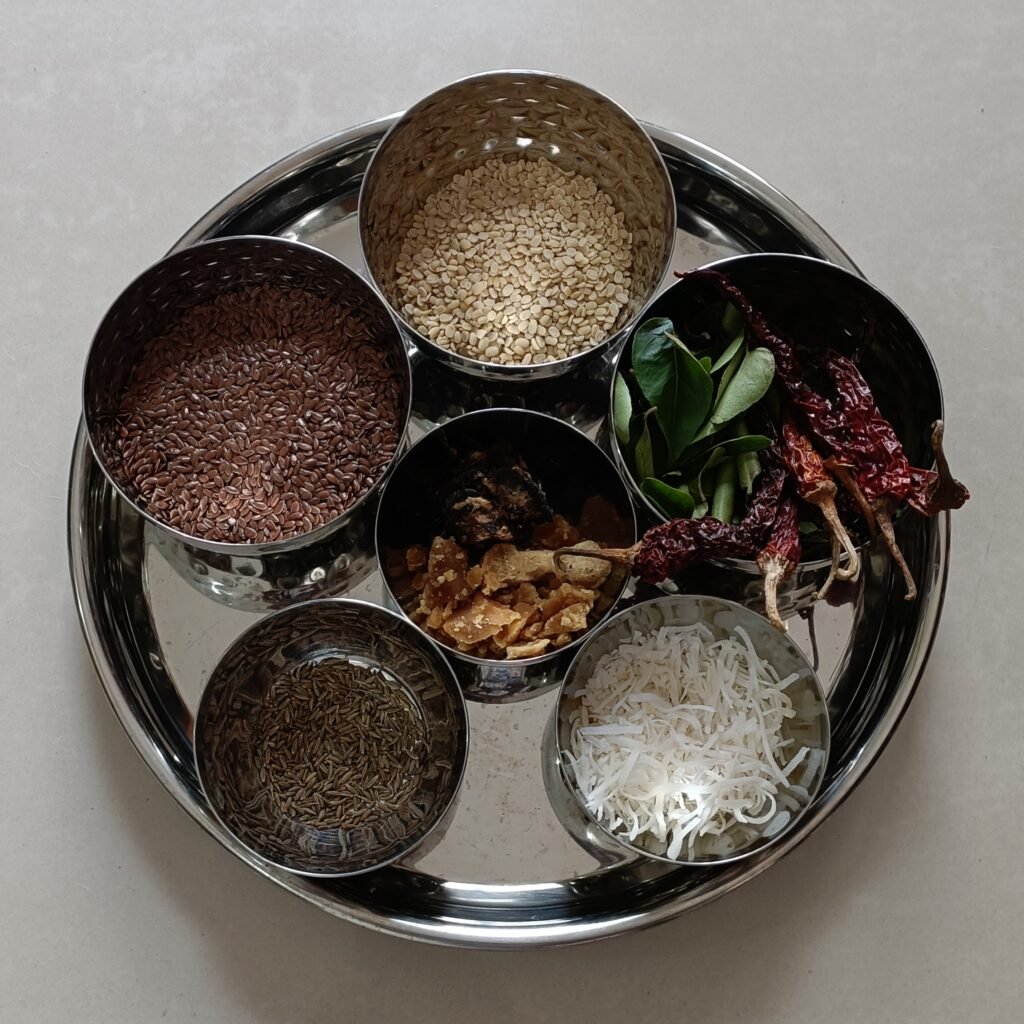
Alsi ki Chutney with Coconut (Flaxseed Chutney)

Flax seeds are rich in the essential omega-3 fatty acid alpha-linolenic acid (ALA). Flax seeds are usually ground before eating them to release the oil locked up inside the fibrous structure of the seed and which cannot be released when eaten whole.

Flax seeds also have high amounts of protein as well as soluble and insoluble fibre, which help regulate blood sugar and cholesterol levels and promote digestive health by providing the required food for beneficial gut bacteria. Flaxseed powder is often used to replace egg for its binding quality when mixed with water, and so it is recommended to drink plenty of water when one eats flax seeds. The proportion is usually 3 parts of water to 1 part of flax seed powder. This mixture is also a natural laxative.

Read More »

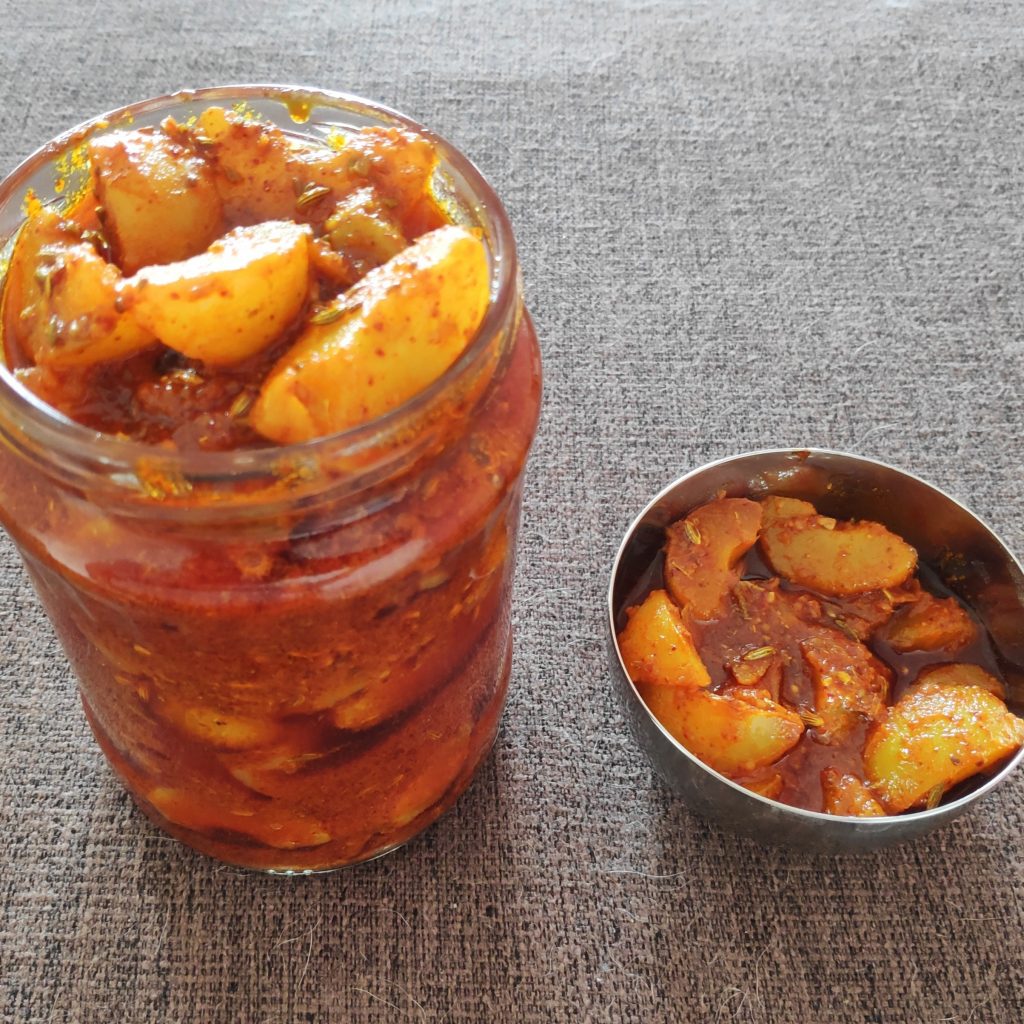
Amla Aachaar with Saunf (Indian Gooseberry Pickle with Fennel Seeds)

Amla, also known as Indian gooseberry, is a deliciously sour fruit that can be had in many ways. It can be eaten grated, cut into pieces, made into jams, added to smoothies, or dried and powdered. One of the most popular ways of getting the rich nutrients in it is through pickling it in oil, especially mustard oil. Amla is rich in vitamin C, which is a great antioxidant, and it retains this vitamin to a great extent even on cooking it. It is also rich in other vitamins and minerals that help maintain the shine in hair and makes your skin look radiant. It has numerous anti-ageing properties and is said to be a super food for cancer patients as it kills cancer cells but leaves normal cells alone. It helps in reducing cholesterol levels, inflammation and aids blood thinning as well as reduces artery stiffening. It also helps in reducing nausea, bloating, belching, and acidity, decreases the stress on the heart, and helps reverse diabetes. So, it is a great addition to your diet.

Ajwain, yellow mustard, methi seeds, and turmeric are all very beneficial for health as they are said to aid in relieving indigestion, help reduce cholesterol, fight bacteria and fungi, combat peptic ulcers and cough, and are anti-inflammatory.

Known for its strong flavor, pungent aroma, and high smoke point, it’s often used for sautéing and stir-frying vegetables in many parts of the world especially in West Bengal in India. Pure mustard oil has a high smoke point and comprises mostly of monounsaturated fats, which are more resistant to heat-induced degradation than polyunsaturated fats. Some studies have found that mustard oil possesses powerful antimicrobial properties and may help block the growth of certain types of harmful bacteria and fungus and is sometimes applied to the feet to help heal cracked skin on the heels. It may also slow cancer cell growth and is said to help heart health because of the high content of monounsaturated fatty acids in it, a type of unsaturated fat found in foods like nuts, seeds, and plant-based oils. But after all, it is still an oil and is not advised on a Whole-Food Plant-Based diet, so it is best to have it in very limited quantities and only occasionally.

Read More »

Amla Pickle in Mustard Oil (Indian Gooseberry Pickle)

Amla, also known as Indian gooseberry, is one of the most antioxidant-rich foods on Earth. The Vitamin C, Vitamin A and antioxidants present in amla purify the blood and make your skin look radiant. It also has numerous anti-ageing properties. It is a super food for cancer patients as it kills cancer cells but leaves normal cells alone. It can be eaten grated, cut into pieces, made into pickles and jams, added to smoothies, or dried and powdered. It helps in reducing cholesterol levels, inflammation and aids blood thinning as well as reduces artery stiffening. It also helps in reducing nausea, bloating, belching, and acidity, decreases the stress on the heart, and helps reverse diabetes. This fruit is so rich in vitamin C that even cooking it only reduces the amount by about one fourth. The high iron and carotene content in amla boosts hair growth and strengthens hair. So, all in all it is a great addition to your diet.

Known for its strong flavor, pungent aroma, and high smoke point, mustard oil is often used for sautéing and stir-frying vegetables in many parts of the world especially in West Bengal and other eastern states in India. Some studies have found that mustard oil possesses powerful antimicrobial properties and may help block the growth of certain types of harmful bacteria and fungus and is sometimes applied to the feet to help heal cracked skin on the heels. In some parts of the world, it is applied to the scalp as it is said to help hair growth and is said to alleviate pain and decrease inflammation in conditions like rheumatoid arthritis, but caution is advised as it can cause serious skin burns. It may also slow cancer cell growth. It is said to help heart health because of the high content of monounsaturated fatty acids in it, a type of unsaturated fat found in foods like nuts, seeds, and plant-based oils. Pure mustard oil has a high smoke point and comprises mostly of monounsaturated fats, which are more resistant to heat-induced degradation than polyunsaturated fats. But after all, it is still an oil and is not advised on a Whole-Food Plant-Based diet, so it is best to have it occasionally in very limited quantities.

Read More »

Mode Aleli Chawli Chi Bhaji with Onion and Tomato (Sprouted Black Eyed Peas Curry with Onion and Tomato)

Sprouted beans are more nutritious and they require much less cooking time. Sprouts are rich in digestible energy, vitamins, minerals, amino acids, proteins, and phytochemicals, as these are necessary for a germinating plant to grow and are also essential to human health. Sprouting breaks down complex compounds into a simpler form which is why sprouts are also called pre-digested foods. Sprouts provide a good supply of Vitamins A, E & C plus B complex which help in digestion and the release of energy. They are also essential for the healing and repair of cells. However, vitamins are very perishable and so fresh sprouts have a higher vitamin content. Some sprouts can yield vitamin contents 30 times higher than the dry bean.

Read More »

Sweet and Sour Coriander Chutney

Coriander like all leafy greens is rich in chlorophyll, a compound that may help in treating cancerous tumours. It also helps to prevent damage done to genes by harmful aflatoxins. Regular consumption of greens has been shown to increase antioxidants in the body that have immune-boosting, anticancer, anti-inflammatory, and neuroprotective effects as well as protect your skin from aging and sun damage. Coriander can help reduce unpleasant digestive symptoms like bloating and discomfort often experienced by people with IBS, and also help boost appetite. And most important of all it’s a delicious accompaniment to any meal.

Read More »

Black Tea with Lemon Juice

The British introduced tea to India as late as the nineteenth century for use as a commercial commodity, but now India is the 2nd largest producer of tea in the world. Somehow, milk and sugar got added to it to make it a sweet drink to induce a kick in the mornings. All three ingredients: tea, sugar and milk are considered to be unhealthy as all are acidic in nature and should be avoided. Before Indian tea became popular, most households made healthier drinks called kadha or kasai and each home had their own recipe and combinations of spices. Some of these are still served in stalls outside temples in southern India.

Read More »

Kadhas or Herbal Infusions

Ginger contains over 400 natural compounds one of which is gingerol, which has medicinal properties. It has been part of Indian cuisine and medicine for centuries. Even the leaves are used in some delicacies like patoli. Ginger improves the movement of the digestive tract thus helping food pass faster through the stomach and into the intestines. Travellers who suffer from motion sickness must be familiar with the positive impact ginger has on the sensation of nausea, too. Ginger has been known to reduce bloating, gas and constipation and ease other digestive disorders and reduce inflammation. For generations, Indian households have used ginger to make warm teas to relieve symptoms of cold and cough and also to fight infections or the growth of bacteria.

Traditionally, people chewed on pudina leaves to treat digestive disorders like indigestion, stomach pain, gas, bloating and irregular bowel habits as well as to improve the sense of breathing during colds. It may have antibacterial properties and so has also been used to treat cracks and wounds in the skin. Apart from this, mint helps mask bad breath and kill bacteria in the mouth. Since it is a great source of antioxidants, it also helps to remove toxins from the body and reduce damage caused by free radicals so is a great addition to salads, smoothies and of course for use in traditional chutneys. Most importantly, mint leaves impart a cooling sensation and are therefore a great addition to herbal teas.

Pepper corn is famous as the “king of spices and has been used in Ayurveda for centuries. Black pepper corn are high in antioxidants and may help reduce the harmful effect of free radicals as well as inflammation inside the body which is a major symptom of diabetes, hypertension, heart disease, arthritis, asthma, allergies, and even cancer. Moreover, pepper corn may help in absorbing nutrients, improve gut health by increasing the good bacteria, and relieve pain.

Lemongrass is a fragrant ingredient used to enhance the smell of soaps, candles, insect repellents, dishwashing detergents, and insect repellents. It’s a great addition to teas and is useful for its reported antibacterial and antifungal properties. It may have an anti-inflammatory effect and has been traditionally used to relieve pain and reduce fever.

Read More »

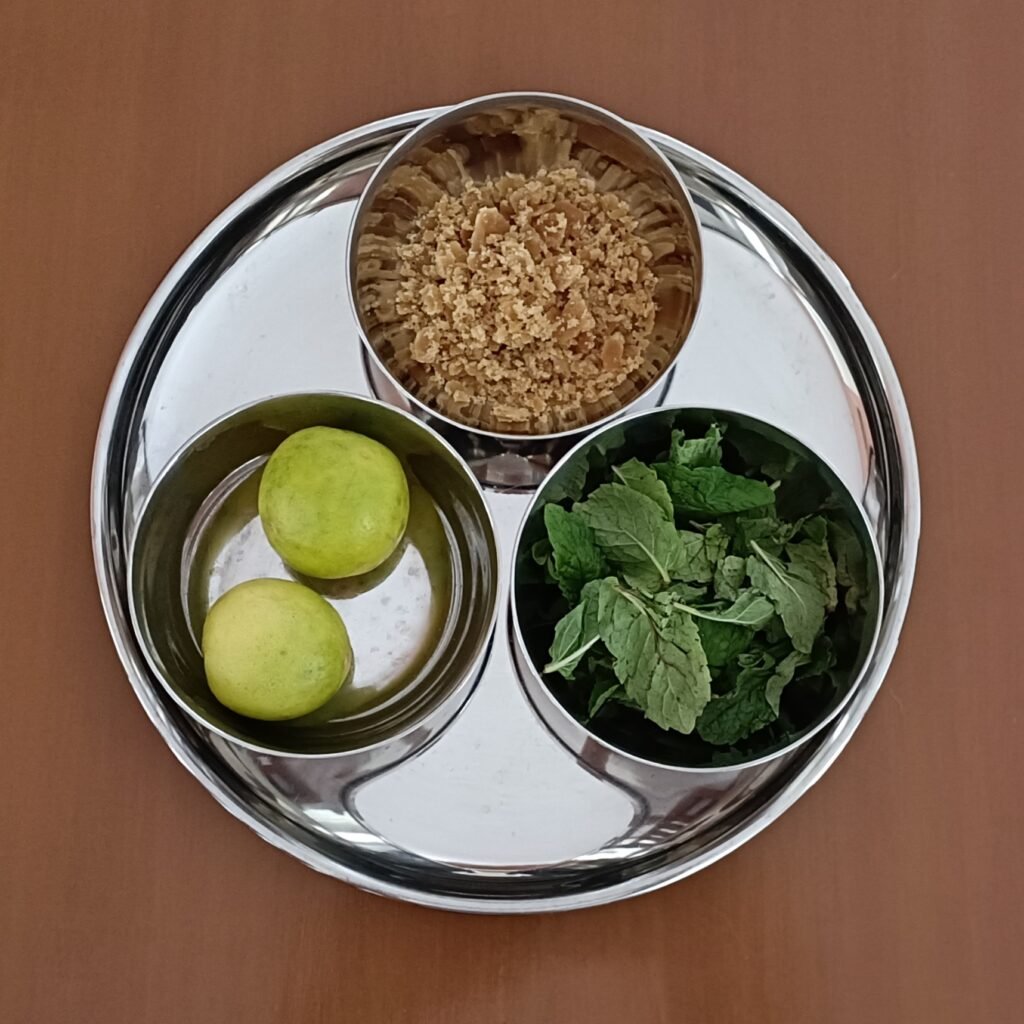
Lime Mint Drink

Lemon is rich in vitamin C and acts as an antioxidant, whereas mint is said to help improve digestion, brain function and conditions like irritable bowel syndrome. It is also said to prevent bloating and gas and alleviate cold symptoms.

Raisins contain tartaric acid, which is a protein that may have anti-inflammatory properties, improve intestinal function, and help improve good gut bacteria levels. Since raisins have a low glycaemic index, they are much better than sugar or jaggery both of which are processed sweeteners.

Read More »
Shopping Basket