Translate to your native language

Lobia Curry Punjabi Style -1 (Chawli beans/Black eyed peas)

Lobia promotes digestive health as they are a great source of soluble fiber which helps promote regularity and increase stool frequency in those with constipation. The fiber can also help prevent digestive disorders, such as acid reflux, hemorrhoids, and stomach ulcers. The soluble fiber present in lobia can also act as a prebiotic, stimulating the growth of the beneficial bacteria in the gut to help foster a healthy microbiome, which not only support digestive health but also help to reduce inflammation, enhance immune function, and reduce cholesterol levels.
Read More »

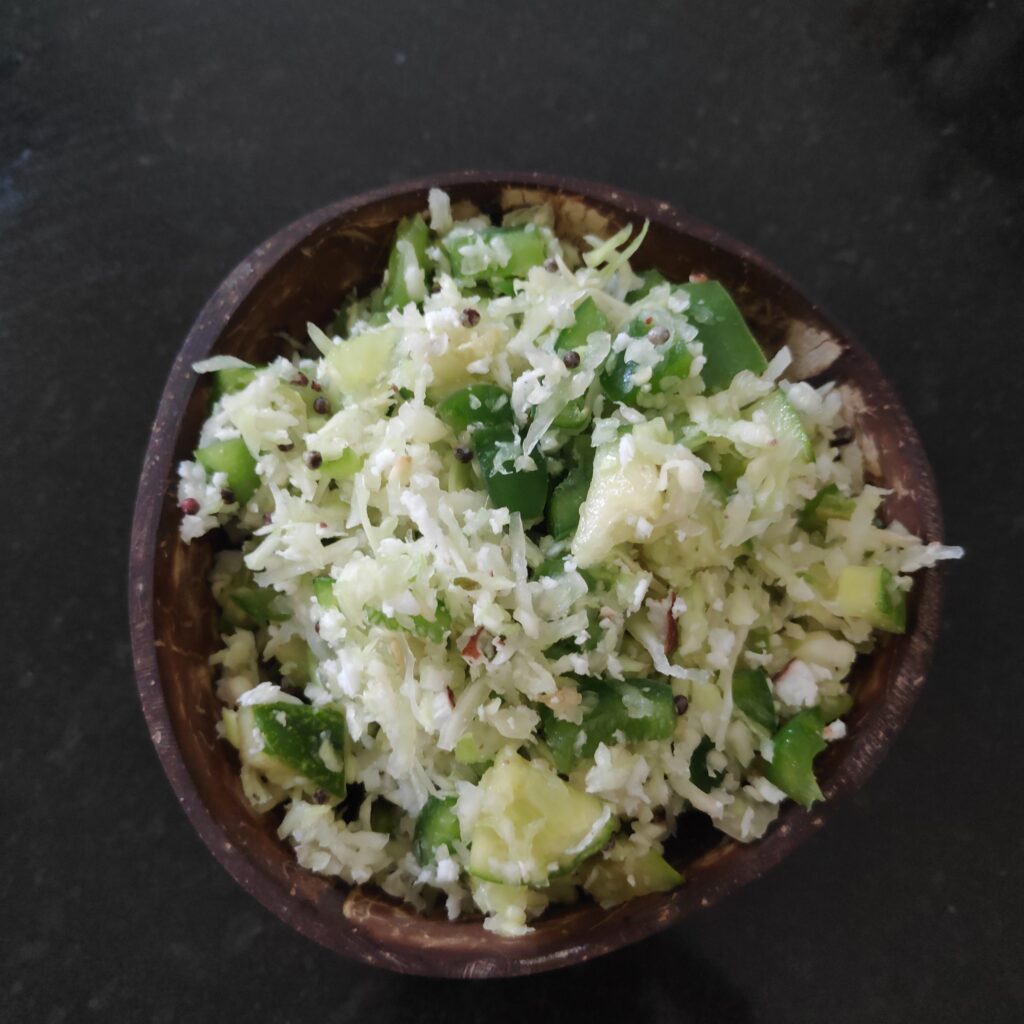
Gobi Shimla Mirch Kachumber

Cabbage is a vegetable that has been grown and eaten around the world for centuries and very affordable. It’s a nutritious cruciferous vegetable that is eaten uncooked in salads and cooked in a variety of dishes ranging from mains to accompaniments. It’s rich in vitamins, minerals and fiber while low in calories so is a great ingredient to maintain a healthy weight. This cruciferous vegetable is especially high in vitamin C and other antioxidants that may protect against heart disease, certain cancers and vision loss and reduce chronic inflammation. Moreover, vitamin C helps the body absorb non-heme iron that is found in plant foods. The potassium and calcium contained in this vegetable is a great source to regulate blood pressure and help in building strong bones. It is also rich in soluble fiber, which has been shown to increase the number of beneficial bacteria in the gut and helps add bulk to stools that promotes regular bowel movements.

Read More »

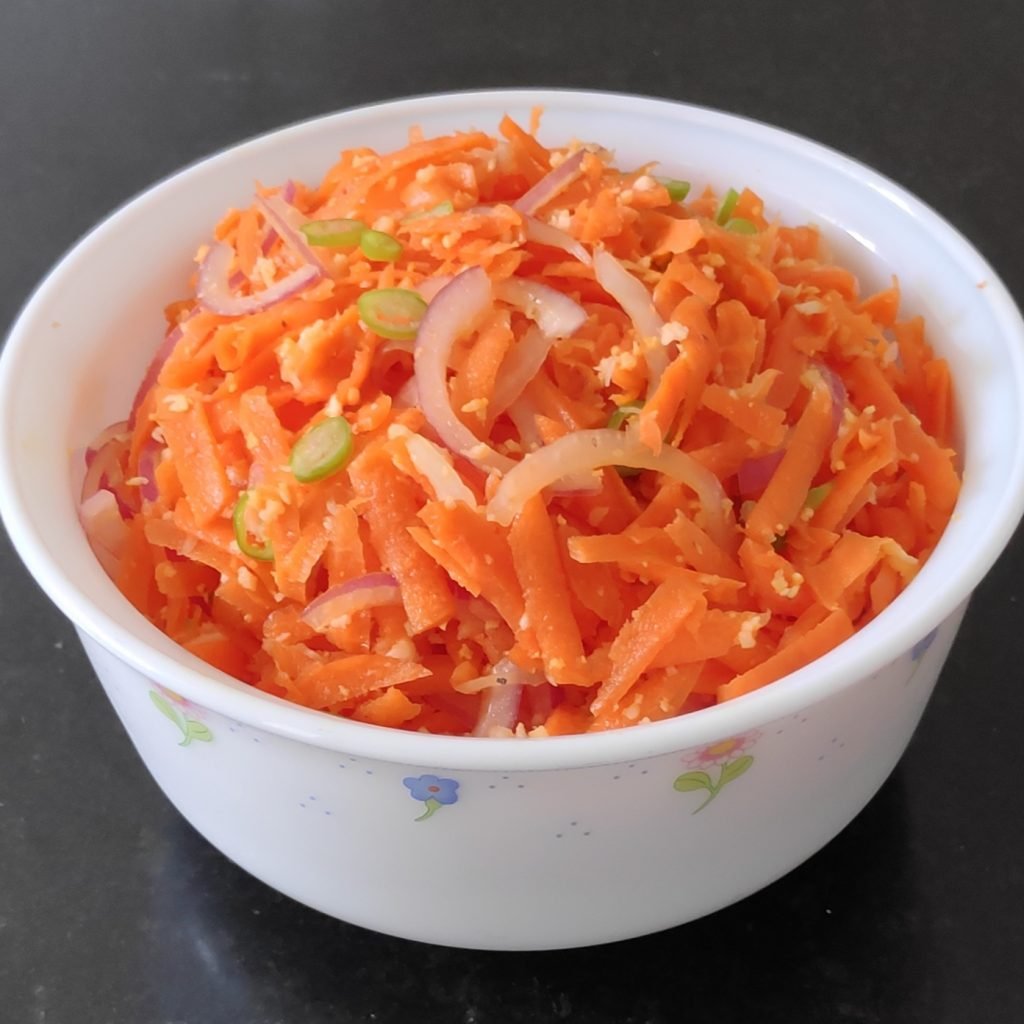
Gajarachi Koshimbir (Carrot Salad)

One-vegetable salads are a common part of Indian meals. Carrots are rich in vitamin A and contain high amounts of vitamins C and K. Vitamin A supports eye health, and vitamin C is necessary for the production of collagen, which strengthens skin. They also contain plant compounds called carotenoids, which act as antioxidants. Antioxidants protect your skin from damage by fighting unstable molecules called free radicals (which are responsible for aging.) The potassium and antioxidants in carrots help lower blood pressure and promote heart health. Compounds in carrot juice have even been shown to trigger cancer cell death in some test-tube studies. Apart from all these, as a rich source of vitamins A, B6, and C, carrots help strengthen your immune system.

Read More »

Sarson Ka Saag (Spicy Mustard Greens Vegetable)

Sarson or mustard greens have a strong bitter, spicy flavor that is distinctive and makes it so special. They are low in calories and high in nutrients including many health-boosting antioxidants like flavonoids, beta carotene, lutein, and vitamins C and E that fight free radicals (unstable molecules) that can damage your cells. It is for this reason that sarson leaves can protect your skin and lower risk factors of diabetes. Both raw and cooked mustard greens are a phenomenal source of vitamin K, which is best known for its vital role in helping with blood clotting. It’s also been shown to be essential for heart and bone health. The greens are also a great source of several B vitamins, including thiamine (B1,) niacin (B3,) and pyridoxine (B6.)

Read More »

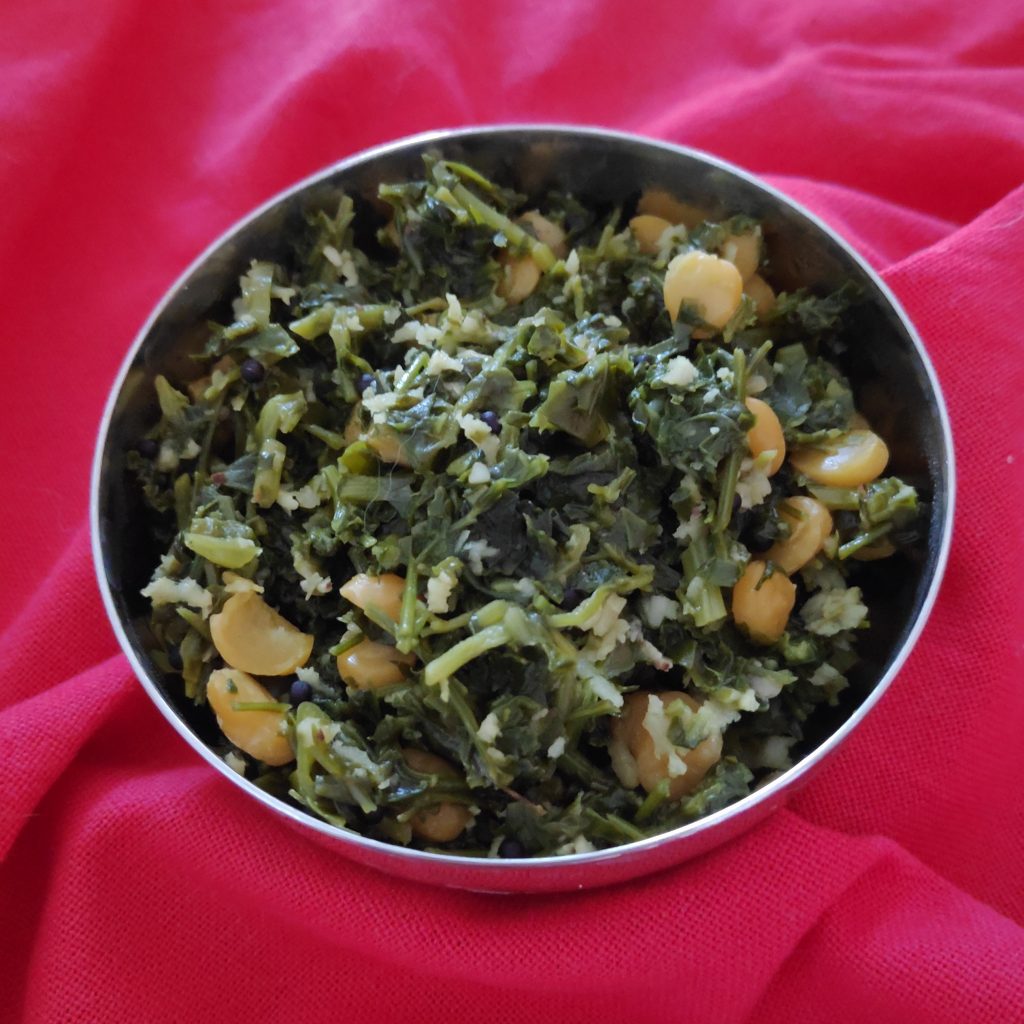
Shepuchi Bhaji with Channa Dal (Dill Leaves Bhaaji with Bengal Gram)

A lot of Indians cook a pulse and a vegetable together making the dish more nutritious, delicious, and filling. Channa dal is great to combine with dill leaves, fenugreek leaves, cabbage, capsicum, and bottle gourd, snake gourd, ridge gourd, etc. either in a dry vegetable or curry form. Dill leaves are rich in a variety of nutrients including Vitamin A, C, D, riboflavin, manganese, folate, iron, copper, potassium, magnesium, zinc and dietary fibres. These nutrients and antioxidants, not only protect the cells against free radical damage but also promote healthy vision, augment skin, boost immune functions, treat digestive anomalies, remedy sleep problems, fortify bone health, relieve respiratory infections, regulate hormonal balance, and enhance reproductive health.

Read More »

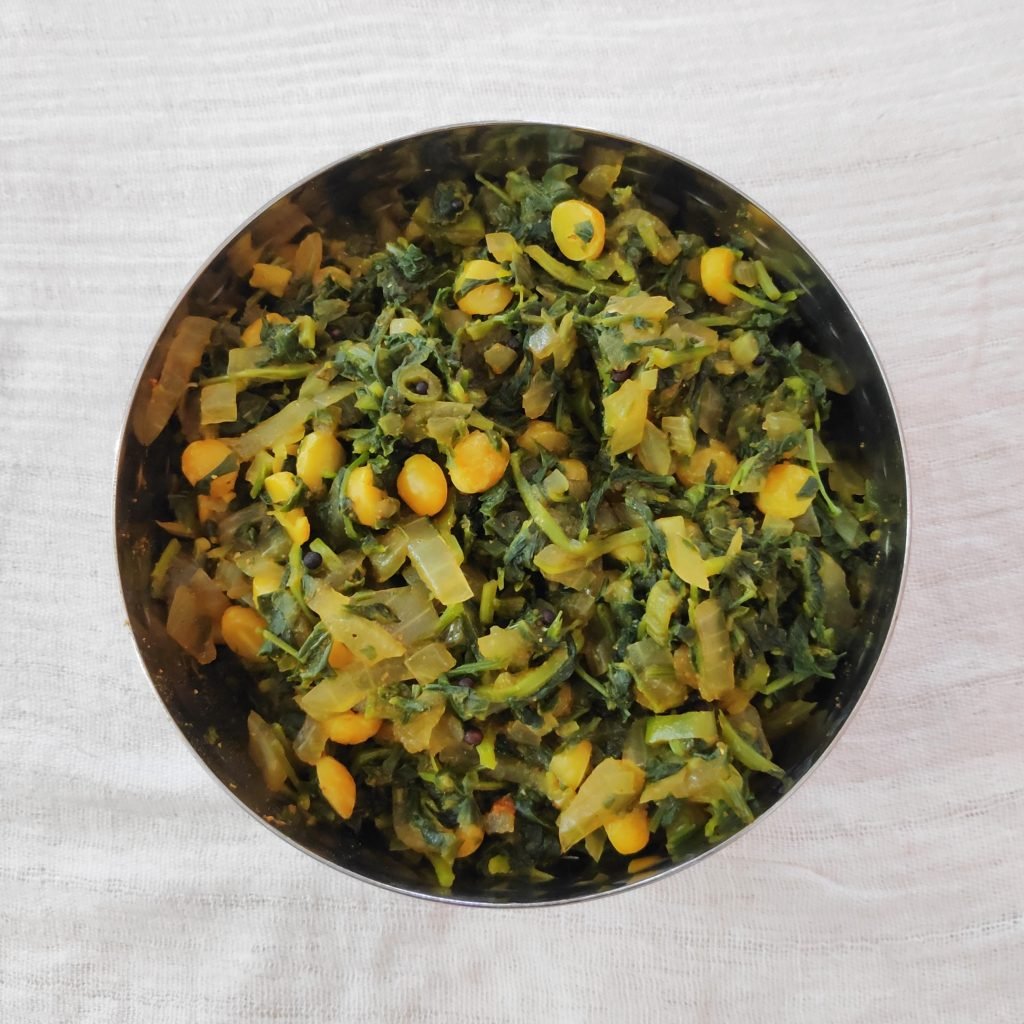
Methi Leaf Bhaji with Channa Dal and Onion

Fenugreek leaves are very low in calories and fats, have a low glycemic index, are a rich source of dietary fiber and are an excellent source of several vital antioxidants and minerals like folic acid, vitamin C, vitamin A, vitamin E, carotenes, calcium, iron, magnesium, potassium, selenium, and manganese. The soluble and insoluble dietary fiber content in the leaves aid in digestion and smooth bowel movements. Methi leaves contain certain chemicals that aid in insulin production. These leaves are an excellent sources of vitamin K, which is important to help strengthen bone mass and prevent osteoporosis. Fresh methi greens help prevent iron deficiency anemia and may help protect a person from cardiovascular diseases, asthma, and colon and prostate cancers. These greens work as an antibacterial and aid in the cure of Alzheimer’s disease. So all in all, it’s a good ingredient to have in your diet on a regular basis.

Read More »

Methi Sukki Bhaaji with Channa Dal

Fenugreek and fenugreek leaves are a common ingredient in Indian dishes. They have been used in alternative medicine for a long time because of their strong antioxidant qualities. Antioxidants help in removing free radicals that are the main cause for the damage of cells and aging. Regular consumption of fenugreek leaves helps in weight loss because they are low in calories and high in fibre content. The insoluble fibre in methi leaves also reduces the risk of constipation and promotes regular and healthy bowel movements. Methi leaves are rich in iron and help keep anemia at bay. They also contain high amounts of calcium, and vitamins A, K, and C, so are very good for bone health. These leaves are also rich in folate, which is required for the rapid growth and multiplication of RBCs and WBCs in the bone marrow.

Channa dal or Bengal gram is a staple in India. Bengal gram is rich in protein serving as a building block for our muscles. Chana dal is rich in folates, which is essential in the prevention of diseases like stroke, depression, dementia, among others. It is also rich in calcium and fibre, helping with bone health and keeping blood sugar levels steady respectively as well as with weight loss. One of the greatest benefits of chana dal is that it has no trans fats but has healthy fats instead, that are essential for treating inflammation.

Read More »

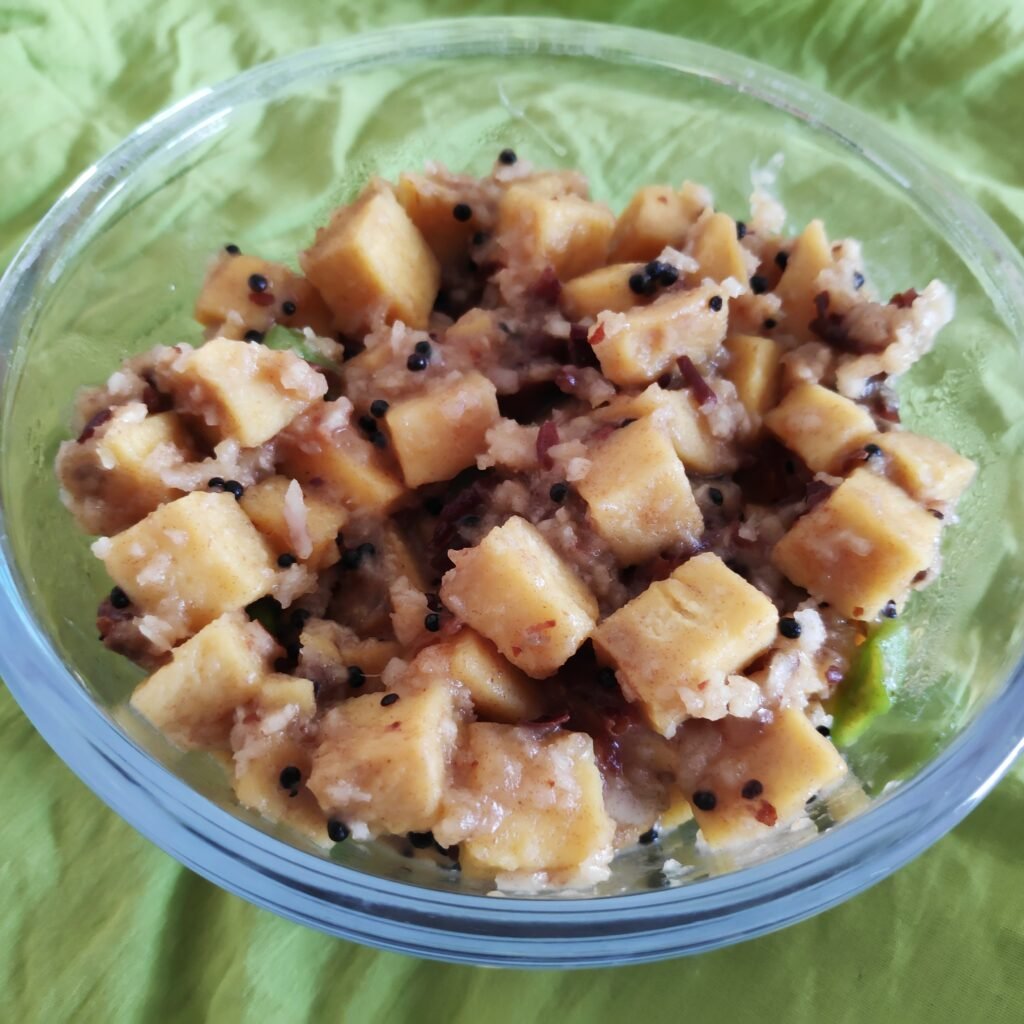
Suran Upkari (Yam)

Yams are nutrient-dense tuber vegetables that come in many colors the most commonly used one in India being the elephant foot yam or suran or jimikand in Hindi. Yams are versatile, easy to prepare, fast to cook, and a great vegetable to include in your diet in both sweet and savory dishes.
They’re a great source of fiber, potassium, manganese, copper, and antioxidants like vitamin C that support bone health, metabolism, and heart function, and are also said to boost brain health, reduce inflammation, and improve blood sugar control. Copper is vital for red blood cell production and iron absorption, while vitamin C can boost your immune system. Yams contain a unique compound called diosgenin, which has been found to promote neuron growth and enhance brain function and improved memory and learning abilities. Remember that chronic inflammation is linked to an increased risk of various conditions, such as heart disease, diabetes, and obesity. Yams provide several antioxidants that may have anticancer properties and may help reverse irritable bowel syndrome (IBS), and stomach ulcers. Yams also contain resistant starch that may increase digestive enzymes that help break down food and increase the number of good bacteria in your gut.

Read More »

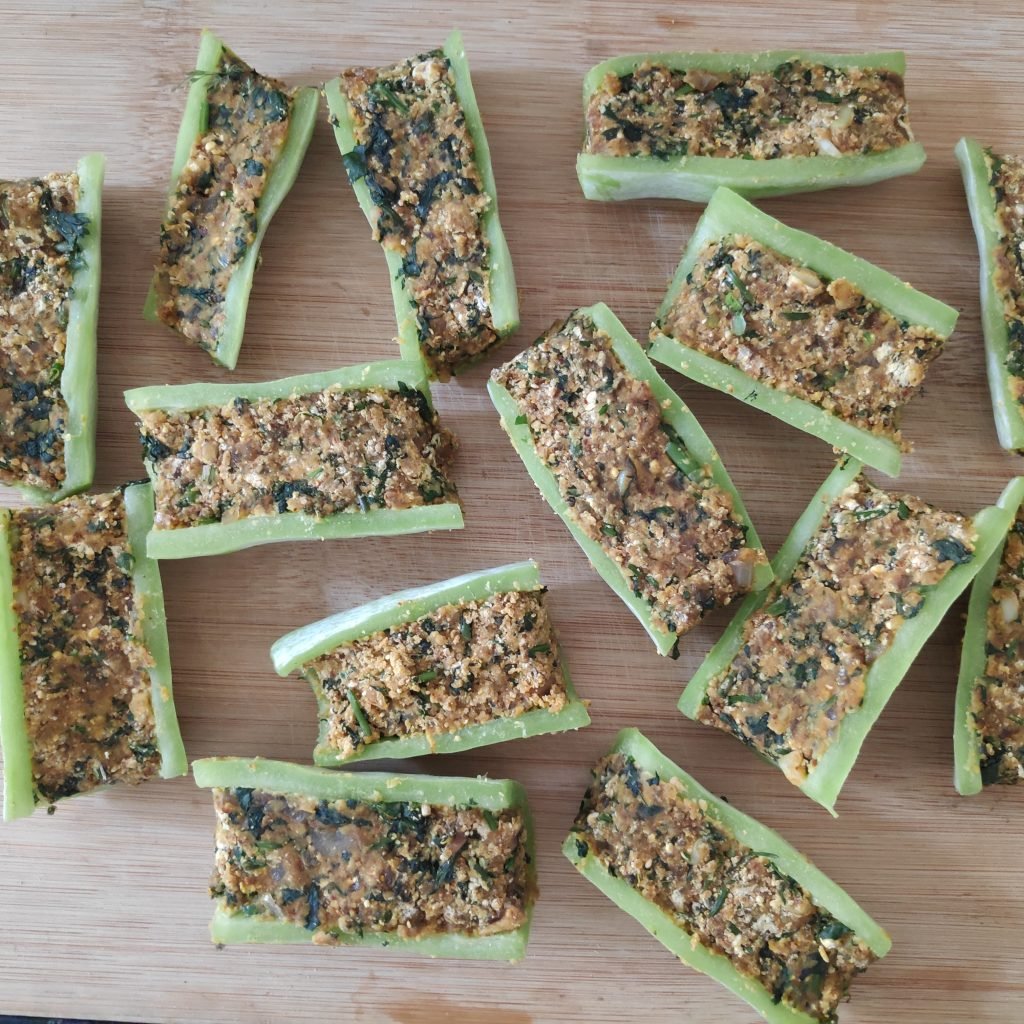
Stuffed Snake Gourd

Besan (chickpea/ garbanzo bean flour) also known as gram flour has been a staple in Indian cooking for centuries. It is from the legume family and is lower in carbohydrates and calories but very rich in protein, iron, folate, and manganese apart from other vitamins, minerals and anti-oxidants. It is packed with fibre, is lower in calories than other flours and is very filling. It has a lower glycemic index thus preventing a spike in blood sugar. It is a great alternative to use as a gluten free flour. it’s lower in carbs and calories yet richer in protein and fiber.
Snake gourd is widely used in popular local cuisines all over India, and is great in reversing illnesses of the stomach, liver, kidney, and skin. It belongs to the cucumber and squash family and helps cure fever, jaundice and diabetes. It is rich in antioxidants and has anti-inflammatory qualities. It helps get rid of accumulated toxins in the kidneys, enhances the digestive system, and prevents allergies and breathing problems such as asthma. It has an expectorant quality that helps in loosening phlegm or mucous secretions from the respiratory tract. Snake gourd helps eliminate body wastes and kidney stones. It is a non-starchy vegetable that is low in calories and is great for weight loss because of its high water and fiber content. The antioxidants and gallic acid present in it help remove harmful free radicals and alleviates moods, stress, depression and anxiety. It is also great at reversing acid reflux and PCOS.

Read More »

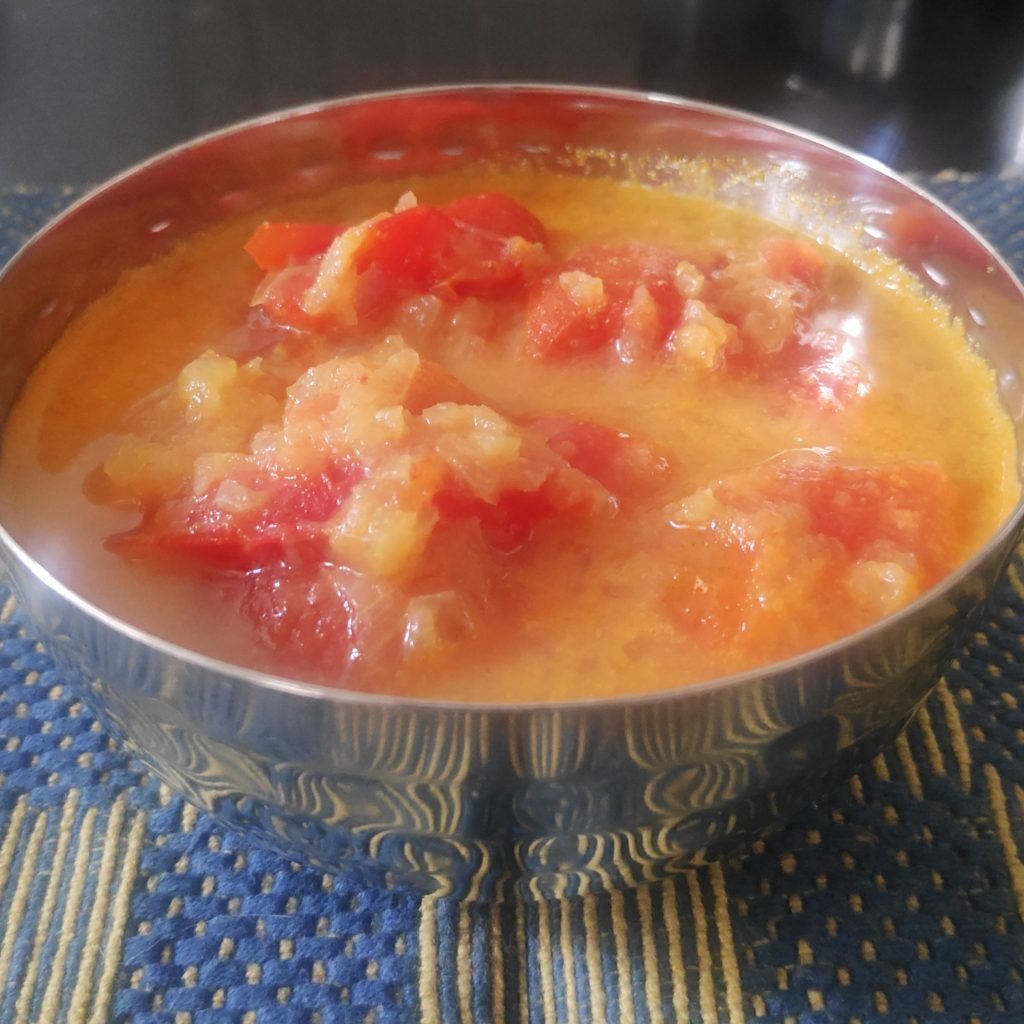
Tomato Santosh

Tomatoes are commonly used as a vegetable ingredient or side dish. Tomatoes are the major dietary source of the antioxidant lycopene, which has been linked to many health benefits, including reduced risk of heart disease and cancer. Lycopene gives them their bright red color and helps protect them from the ultraviolet rays of the sun. In much the same way, it can help protect your cells from damage. Tomatoes release more lycopene when cooked. They are also a great source of vitamin C, potassium, folate, and vitamin K.

Read More »
Shopping Basket