
Lemon-Ginger Rasam Recipe
Recipe credit: Darshana Muzumdar Serves 4 as part of a traditional Indian meal. Ingredients For the Tempering Method For the Whole-Food Plant-Based version:
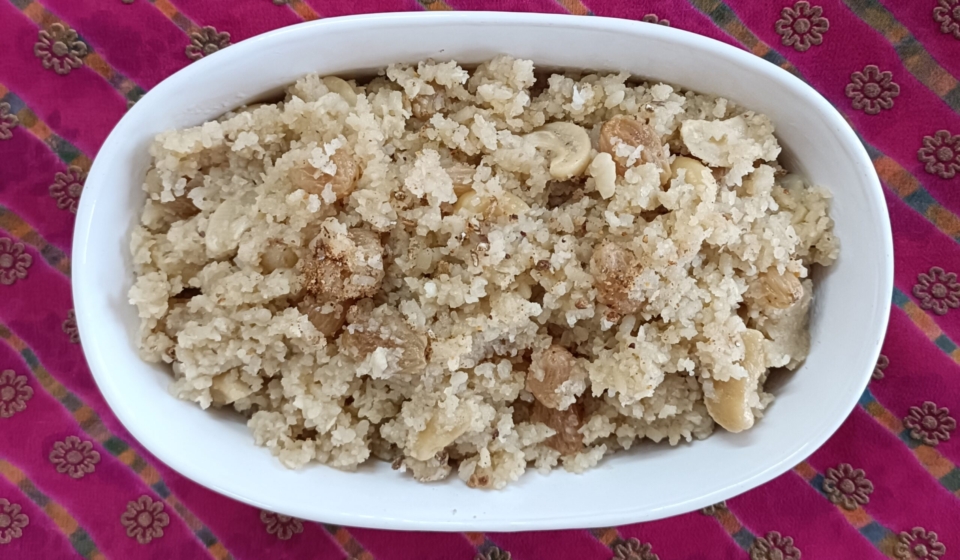
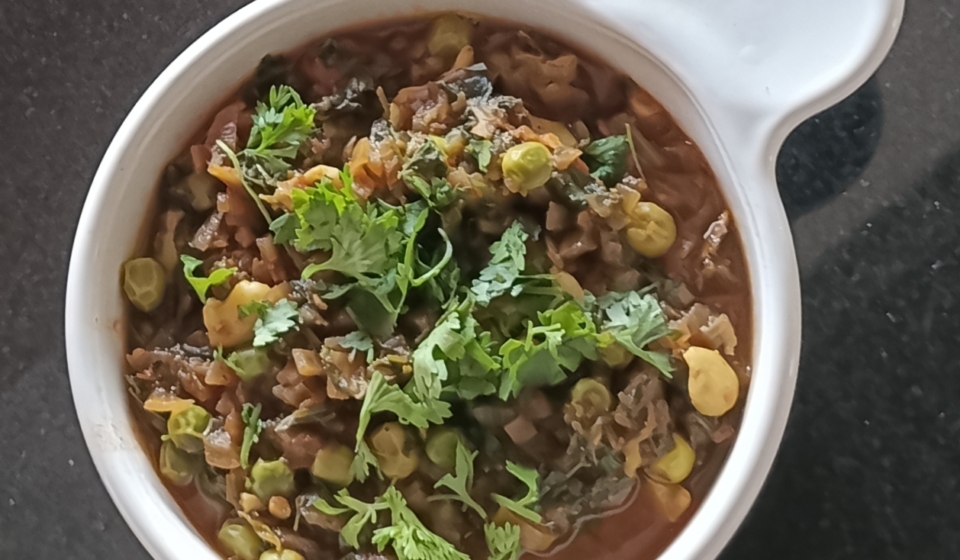
Recipe credit: Darshana Muzumdar Serves 4 as part of a traditional Indian meal. Ingredients For the Tempering Method For the Whole-Food Plant-Based version:
Bottle gourd, normally known as lauki or doodhi in regional languages is commonly found in almost all parts of India. It is especially used in preparations like sambhar and in sweet dishes on festivals. Bottle gourd is composed of approximately 92% water, which makes it an excellent hydrating food. With its high water content, and minimal fat content, bottle gourd is an ideal choice for people who want to lose weight or maintain a healthy weight. Bottle gourd is a good source of dietary fiber, which assists in bowel movement and slowing down the digestive process as well as giving a feeling of fullness and so aiding in weight management. It contains essential vitamins like vitamin C, vitamin K and a range of minerals including calcium, magnesium, and potassium, which are essential for maintaining healthy bones, muscles, and electrolyte balance. Potassium is especially important as it promotes the relaxation of blood vessels, thereby supporting healthy blood flow and reducing the risk of hypertension. Bottle gourd also contains compounds such as flavonoids, phenolic compounds, and antioxidants that help protect the liver cells from damage caused by oxidative stress and toxins. Antioxidants also support a healthy immune system and help keep away chronic lifestyle diseases. Additionally, bottle gourd is considered a detoxifying vegetable due to its high water content, which aids in flushing out toxins from the body and in turn reducing the burden on the liver. bottle gourd contains good amounts of potassium, a mineral known for its blood pressure-regulating properties. It promotes the relaxation of blood vessels, thereby supporting healthy blood flow and reducing the risk of hypertension. All in all, it’s a great idea to include bottle gourd in our diet.
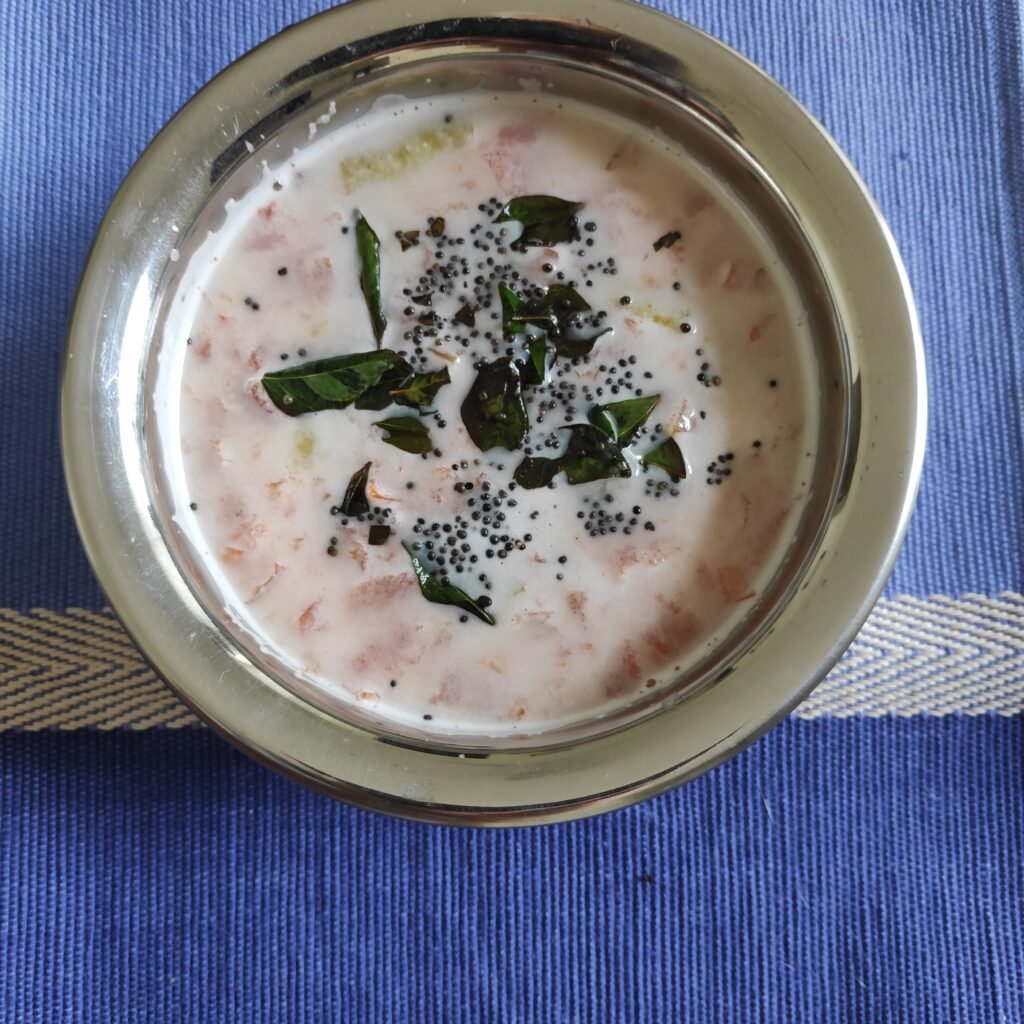
Though tomatoes are rich in fiber and antioxidants, we get more lycopene from cooked tomatoes when compared to raw. Lycopene helps fight depression, heart disease and cancer, and gives tomatoes its bright red color. Adding fat to your meal when eating foods such as tomatoes maximizes the body’s absorption of fat-soluble phytonutrients. So, this saar (soup) with coconut ticks all the boxes. Tomatoes have an anti-inflammatory effect that protects muscles and may help athletes recover after exercise, and also helps reduce asthma. Supplements cannot replace the phytonutrients in tomatoes effectively.
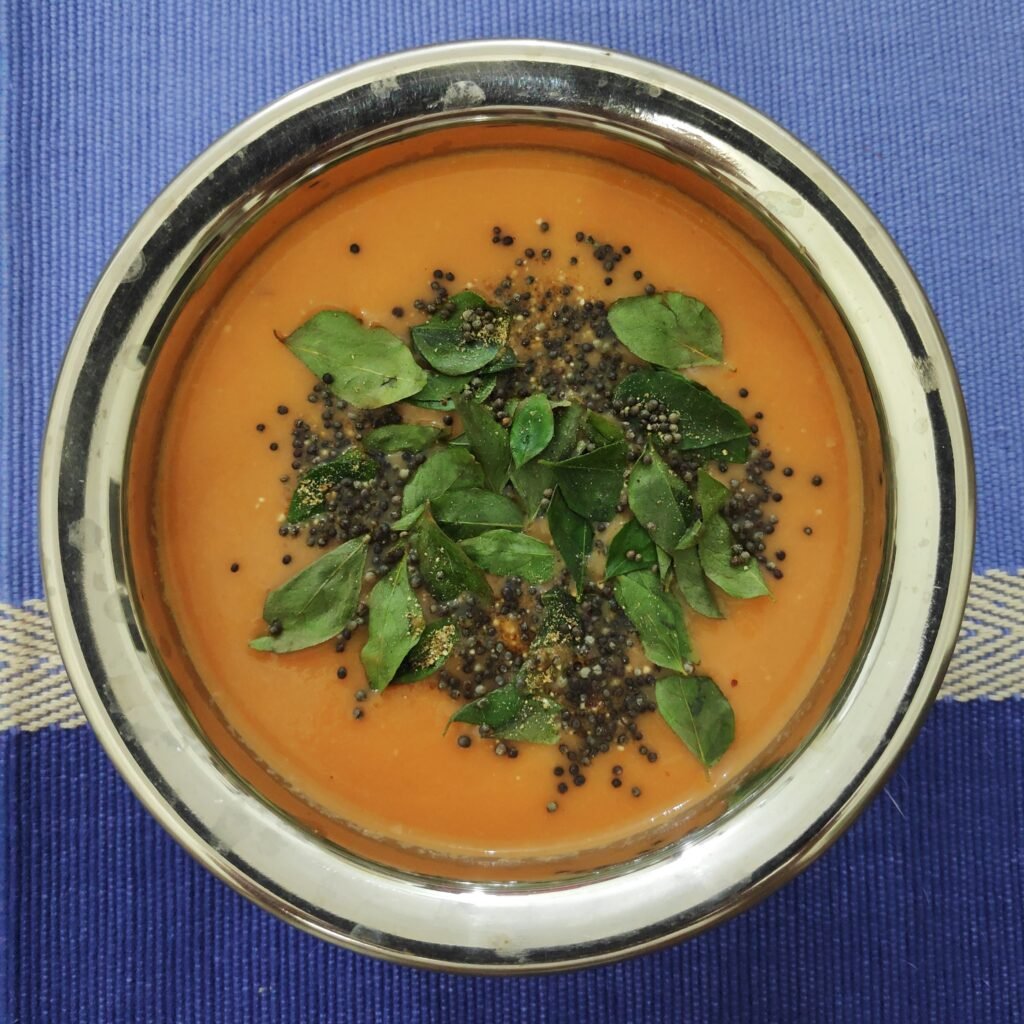
Though tomatoes are rich in fiber and antioxidants, we get more lycopene from cooked tomatoes when compared to raw. Lycopene helps fight depression, heart disease and cancer, and gives tomatoes its bright red color. Adding fat to your meal when eating foods such as tomatoes maximizes the body’s absorption of fat-soluble phytonutrients. So, this saar (soup) with coconut ticks all the boxes. Tomatoes have an anti-inflammatory effect that protects muscles and may help athletes recover after exercise, and also helps reduce asthma. Supplements cannot replace the phytonutrients in tomatoes effectively.

Though tomatoes are rich in fiber and antioxidants, we get more lycopene from cooked tomatoes when compared to raw. Lycopene helps fight depression, heart disease and cancer, and gives tomatoes its bright red color. Adding fat to your meal when eating foods such as tomatoes maximizes the body’s absorption of fat-soluble phytonutrients. So, this saar (soup) with coconut ticks all the boxes. Tomatoes have an anti-inflammatory effect that protects muscles and may help athletes recover after exercise, and also helps reduce asthma. Supplements cannot replace the phytonutrients in tomatoes effectively.
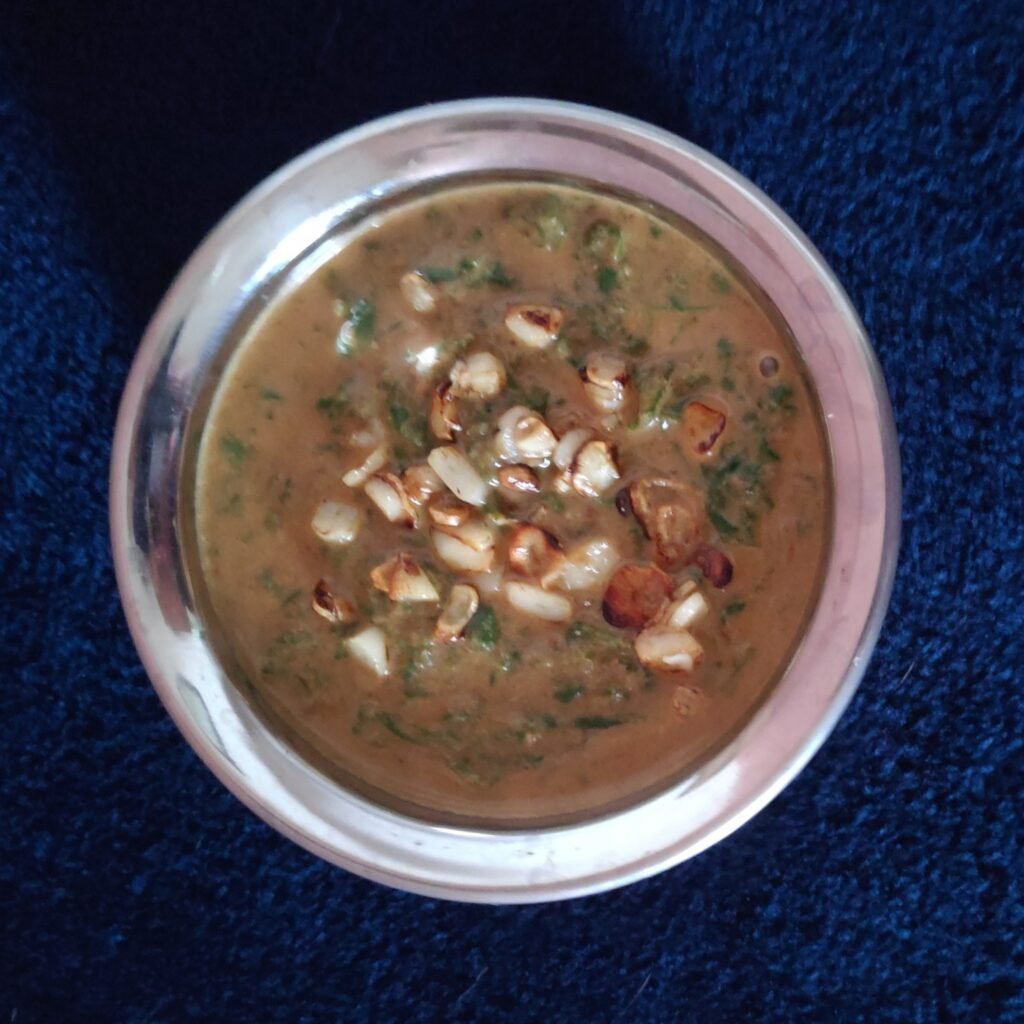
Indian spinach (Malabar Spinach) is mostly available during the monsoon. It is very easy to clean and cook and tastes more or less like spinach. This green leafy vegetable is rich in all the nutrients in most green leafy vegetables like calcium, potassium, magnesium, iron, and vitamin A. It’s especially good for women and children who have iron deficiency. It is low in calories and high in fiber. This miracle green leafy vegetable originated in Asia but is now grown in most tropical regions. It is usually cooked but can also be used raw in salads as well as in smoothies.

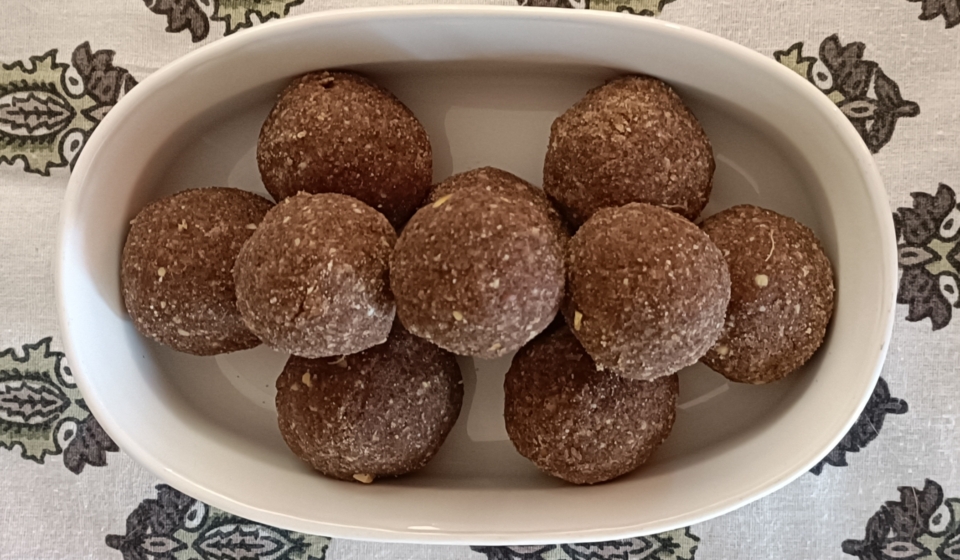
Millets are small-seeded grasses or cereal-grains that have been grown for centuries. They are popular because they grow in many adverse conditions like in arid climates. There are a variety of millets grown around the world as cereal crops or grains for fodder and human food. Ragi or nachni (finger millet) is one of these ancient millets and is mostly grown and consumed in Karnataka, and to a limited extent in Andhra Pradesh, Tamil Nadu, Odisha, Maharashtra, Uttarakhand and Goa. It has different names in local languages. In India finger millet is commonly called by various names like ragi (in Kannada, Telugu and Hindi), also Mandua/Mangal in Hindi, Kodra (Himachal Pradesh), Mandia (Oriya), Taidalu (in Telangana region), Kezhvaragu in Tamil etc. It is used in a variety of dishes from porridges, rotis, sweet puddings and laddoos to name a few. More recently, it is being used in making puffed ragi grains which is then used as a breakfast cereal or in snacks like chivda, etc.
Millets are gluten free, boasts high protein, fiber, and antioxidant contents and therefore have numerous health benefits, including helping to lower your blood sugar and cholesterol levels. Ragi or nachni is an excellent source of natural calcium which especially helps in strengthening bones for growing children and aging people and in the maintenance of bone health in adults. Regular consumption of finger millet was part of the traditional Indian diet for centuries. It may help keep diseases such as osteoporosis at bay and could reduce the risk of fracture.

Eating plenty of vegetables may be one of the simplest ways to improve health and well-being. They provide energy, vitamins, minerals and fibre and additional health benefits from phytonutrients. Vegetables are also naturally low in fat, salt and sugar, making them an excellent food choice. Starchy vegetables such as potatoes, yams and sweet corn contain higher levels of carbohydrates and are higher in energy (kilojoules) because of their carbohydrate content. Vegetables lose a lot of their nutritional value when cooked so it’s best to eat them in their original form as far as possible or at least cook them the least degree that you can.
Red rice poha is also rich in fibre, carbohydrates and iron. It’s a great ingredient to add to a meal to give the feeling of satiety along with nutrients.

Recipe credit: Darshana Muzumdar Serves 2 to 4 people for breakfast or as a snack Ingredients Method For the Whole-Food Plant-Based (WFPB) version:
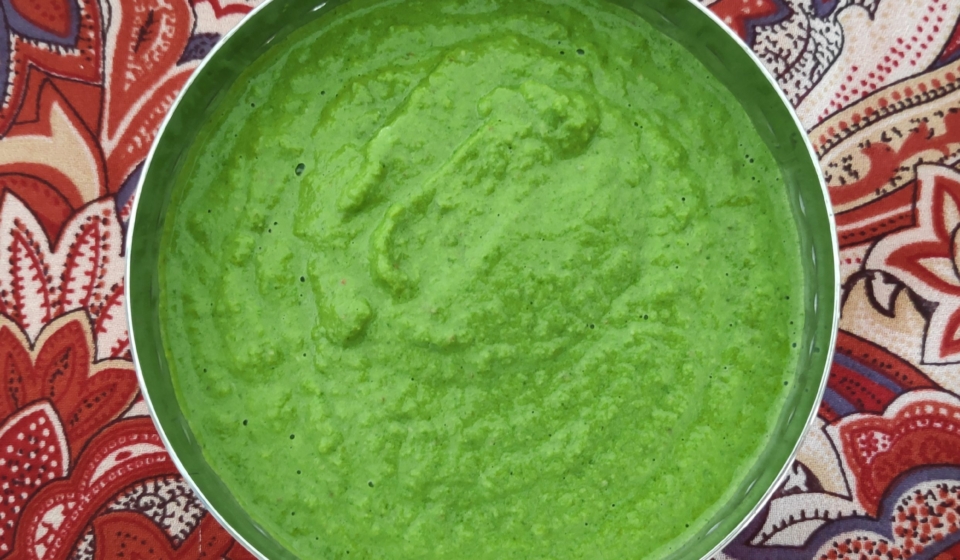
Ingredients Method Grind all the ingredients together with as little water as possible. It’s great to eat with dosa, idli, uthappam or roti/bhakri. Note: This